Book Review : The Wayward Girls By Amanda Mason

I am pretty sure that in the few short months that I have been blogging I have managed to mention my innate love of ghost stories, at least once or twice!

So when The Wayward Girls by Amanda Mason, due for release on 5th September hit my radar I suspected I was in for a treat.

The Wayward Girls by Amanda Mason

Set in the long hot summer of 1976 this is the story of a family living in a remote farmhouse whose world is turned upside down by strange and quite frankly terrifying happenings. Excited yet ?

Well you should be. Because if like me you like to be just a little bit scared by your reading matter this is one not to be missed…

When the Corvino family move to Iron Sike Farm it is in search of an alternative and simpler life. Cathy, a rather harassed Earth mother and Joe a struggling artist arrive with their five children Dante, Lucia, Bianca, Florian and Antonella in the spring. But by early summer the cracks are starting to show.

Dan and Bee, the elder children resent being ripped away from the city and their friends. Loo is struggling with the new regime of home education and home cooking. Cathy is drowning in housework and child care and Joe’s creative muse has left him.

When Joe disappears, allegedly ‘working away’ the frustration and boredom on all sides of the family reaches fever pitch, suddenly to be replaced by something much darker.

The haunting began quietly once the Corvino family had settled into their new home; the girls heard it first, the knocking inside the walls.

Extract from A Haunting at Iron Sike Farm by Simon Leigh

(Chapter 1 – Now)

Beginning with unexplained noises, missing property and uneasy feelings, events at the farm rapidly lead Cathy to seek outside help. When local press photographer Isobel gets wind of things it isn’t long before the farm becomes the focus of a team of paranormal investigators. Experienced Professor Michael Warren and rookie Simon Leigh are fascinated and excited by the unexplained events, all of which seem to be centred around the two girls Bee and Loo.

As the summer heat intensifies events soon spiral out of control, changing the lives of those involved forever.

The telling of the story divided across two time frames. As well as concentrating on the summer of 1976 we join the grown up Loo. Now Lucy, she has spent the intervening years trying to put the events at the farm behind her. But as her Cathy begins to decline the past returns to haunt both of them. And when Simon’s daughter Nina makes contact, determined to pick up her late father’s investigation, Lucy finds herself back at the farm and is forced to confront a past she hoped was firmly behind her. Will the new teams findings shed further light on what resides at the farm? It are somethings just best left alone?

All the hallmarks of a great ghost story are firmly stamped on this novel. From the moment I picked it up I was drawn in and held in it’s grasp. Right from the start there is an an air of inevitability and urgency, an uneasiness with past events not yet settled.

The structure of alternating time frames is used to create the palpable feeling of tension within the novel. As we move from the past to present and back again, the story seems to builds with a life of it’s own. Each event and revelation slowly adds another layer of anticipation and pulling the reader further in.

The girls Loo and Bee are undoubtedly the focus of the seemingly paranormal activity. They are girls, on the edge of womenhood, who suddenly find themselves the centre of all kinds of attention. Michael is convinced that the girls have attracted a poltergeist, their teenage energy acting a a conduit.

Yet continually the author allows doubt to creep into the narrative. The girls are clearly unhappy. Bee especially is seeking adult attention, and both girls are drawn to the young and attractive Simon, possibly seeking a father figure after Joe’s departure. Simon becomes a source of tension between the two, revealing the strength of feelings of Bee in particular.

And if Bee is at times reckless in her behaviour, she isn’t the only . Caught up in the unreality of the situation there is a feeling that all normal rules and conventions have been forgotten or at least disregarded. It is as if a spell has been cast over the farm, a place where adults are pushing the boundaries as they seek answers, playing a dangerous game and overlooking the risks.

A long unbroken summer is not the traditional weather to accompany an ghost story. There are none of the swirling fogs or crashing storms of other gothic tales. And yet the juxtaposition between light and dark works. The unrelenting almost mythical heat reflects the air of unreality created by events on the farm. It is as if real life is suspended and people have lost touch with reality.

And who is in control? Who can be trusted in this place? Indeed who can we the reader trust in this tale?

Right to the last page the sense of unease continues. As a reader we swing between time frames and view points continually questioning and reassessing. This may sound like a cliche but this one really will keep you on your toes until the very last page.

The Wayward Girls is an accomplished and complex novel, and as a debut it is a stunner. Look out for this one when it is published on 5th September by Zaffre Books.

I can’t wait to see what Amanda Mason does next…
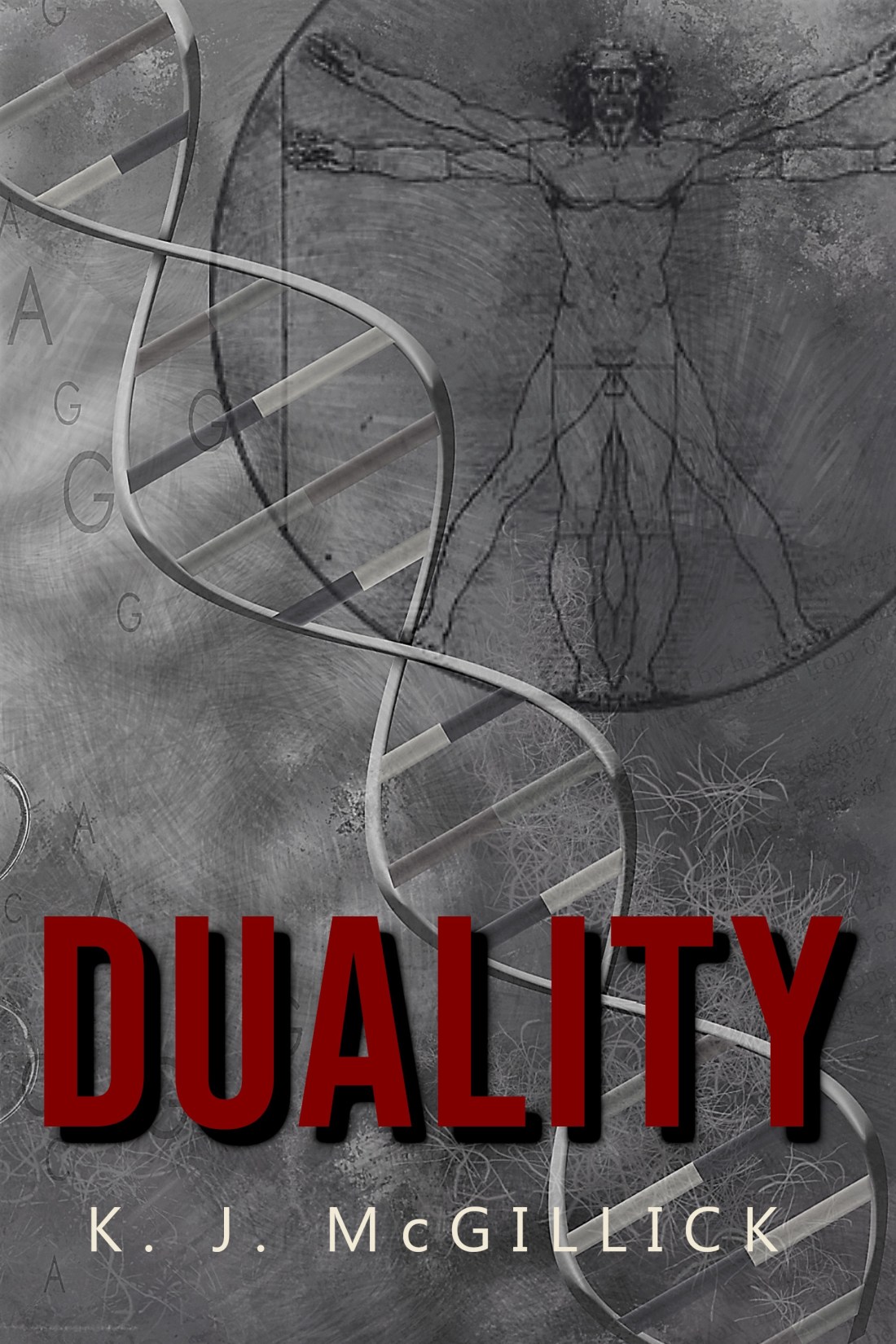
Blog Tour Review : Duality by K.J. McGillick

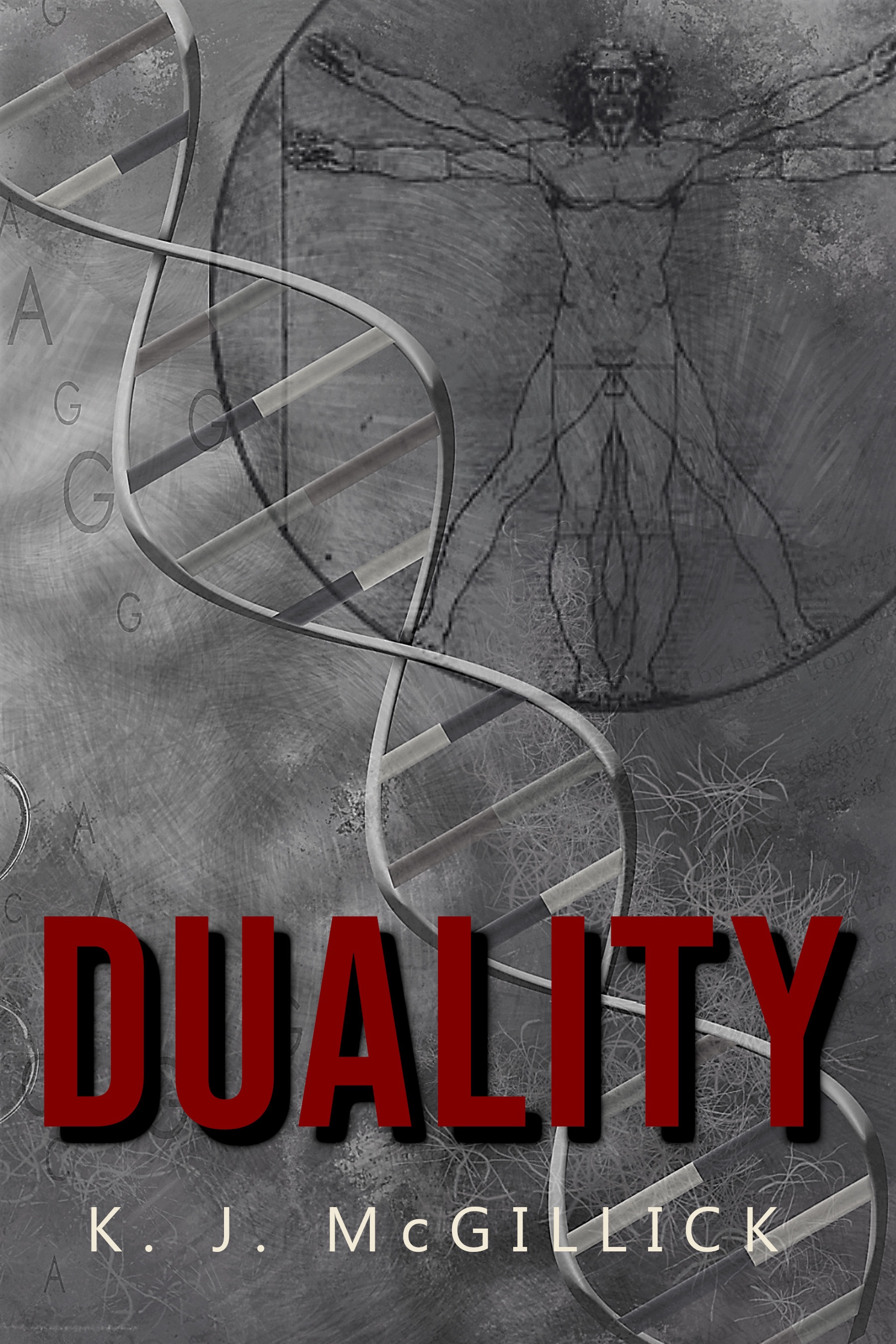
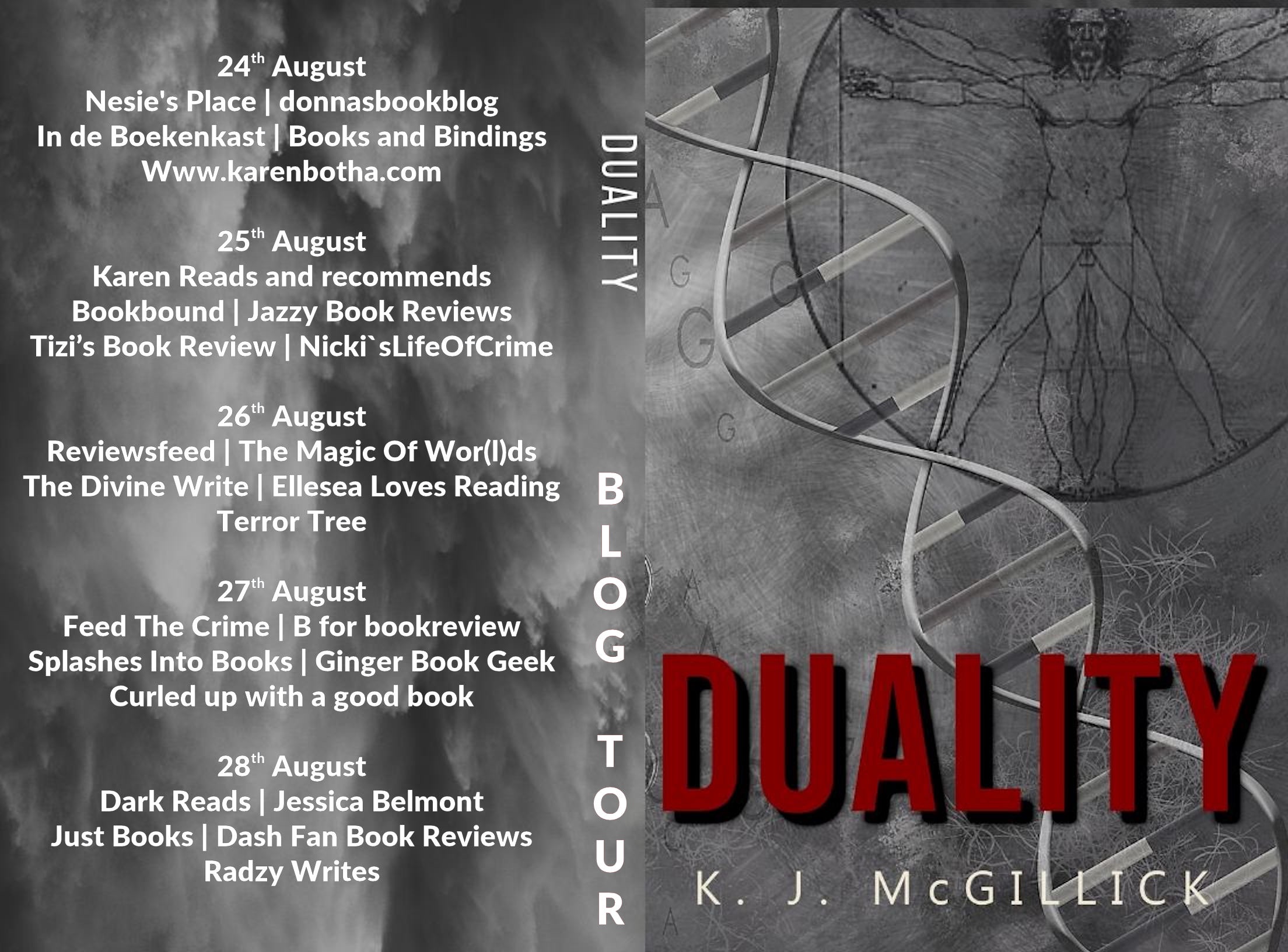
Today it is my turn on the blog tour for Duality by K.J. McGillick. Many thanks to Rachel at Rachel’s Random Resources for the opportunity to read, review and join the tour.

Sometimes only a good thriller is going to hit the spot, something fast paced and intriguing; a story line to keep you guessing right to the last chapter.

And Duality ticks all the books and more.

Let me introduce you to Mr Martin. Quiet, socially awkward and precise, Art Historian and Lawyer. When he calls his colleague Mary Cormier in small hours of the morning it is to report that he has found his ex wife Melinda Martin, an art restoration expert dead.

Mary, a 90 year old like no other (!) has absolutely no doubt that Mr Martin is entirely innocent and is prepared to put the reputation of both her firm and legal colleagues on the line to prove it.

But when another dead women, again connected to Mr Martin, is found things are suddenly far from certain.

 Add to the mix that the painting Melinda Martin was working on is reputed to be a lost Botticelli masterpiece thought to have perished as part of Savonarola’s Bonfire of the Vanities, a painting that may have ties to the occult and could be worth millions.

The police have Mr Martin in the frame, particularly when a passport bearing his image, but name of an international art forger and thief turns up at the crime scene.

 So where is this priceless painting now?

And is Mr Martin who he claims to be, a bumbling but brilliant academic and lawyer or is he Giuseppe Balestruccio, a sociopath forger with mysterious ties to the Vatican?

 This is a thriller which will take Mary and her team across the globe, from the USA, to both Florence and Rome. With a cast of colourful and unpredictable characters, we are wrapped up in a fast paced plot where anything seems possible.

Links to the Vatican and the underworld of Rome add a level of mystery which span the centuries taking in both the Catholic Church and the occult. Until almost the last page it is impossible to see where the truth lies.

Is Mary right to stick by her man? Or will Mr Martin surprise them all?

About the author…

Kathleen McGillick is a practising attorney. Having grown up in New York, she has lived for the past 33 years on Georgia. Her career has taken in Nursing as well as Law.

Kathleen is a Mother, Grandmother and seasoned traveller.

And it goes without saying that she writes a cracking thriller.

Purchase links…

UK –https://www.amazon.co.uk/DUALITY-Sides-Same-Coin-Misdirection-ebook/dp/B07VR84PWG/

US –https://www.amazon.com/DUALITY-Sides-Same-Coin-Misdirection-ebook/dp/B07VR84PWG/

And there is more …

The blog tour for Duality continues with these fantastic bloggers. Check out their thought on the book by following the details below.


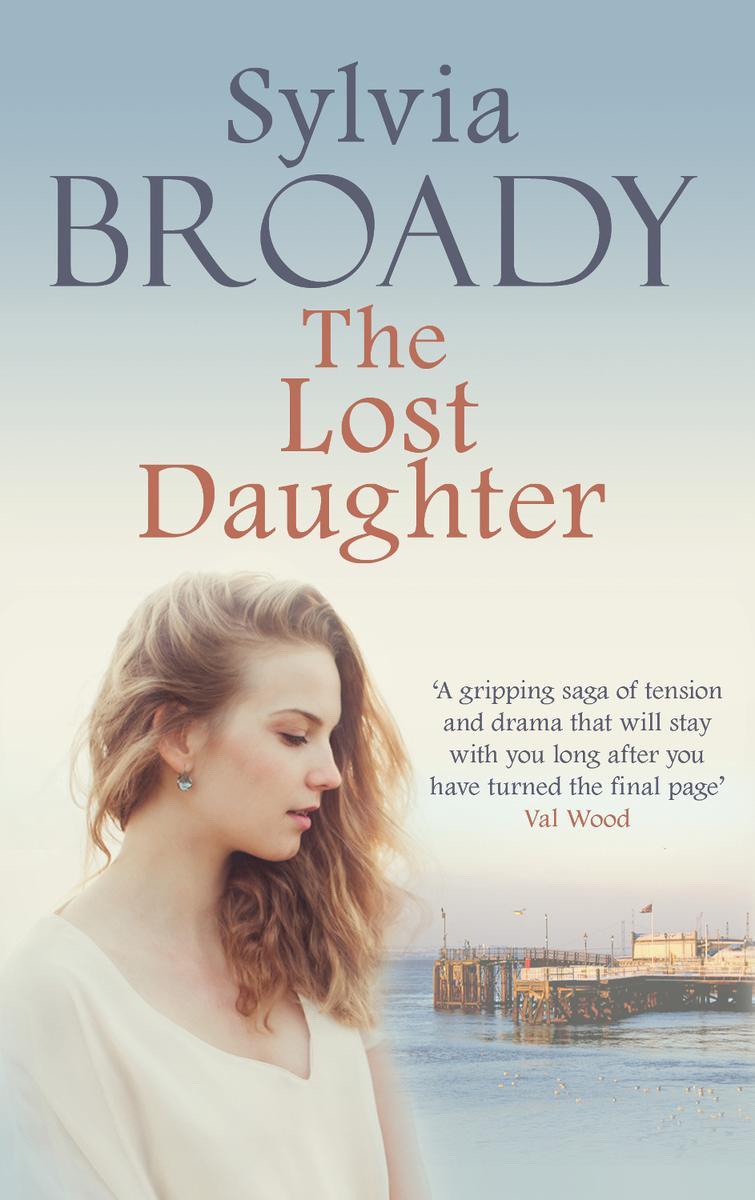
Blog Tour Review: The Lost Daughter by Sylvia Broady

I have said it before and I will doubtless say it again ( and again…and again…) I will never tire of the thrill of seeing places I know and love included within the pages of a book.

So when Rachel from Rachel’s Random Resources asked me to be involved in the blog tour for The Lost Daughter it was the setting that initially drew me in.

For Hull, in all it’s majestic and unique glory, was a large part of my University years. It was where I met my future husband and it is where several dear friends still live.

The Lost Daughter is set with the Hull of yester year. The story begins in the early 1930’s when Alice Goddard is involved in traffic accident after fleeing from her violent husband. This attack is one too many and in desperation Alice momentarily leaves her daughter, Daisy, to get help, but while Alice is incapacitated Daisy is given over to the authorities, abandoned by both her father and Grandmother.

Here is a cutting testimonial to the lack of rights and resources available to women suffering abuse and poverty at this time. Before the welfare state, Alice’s options are bleak and her daughter seems lost forever.

So begins a lifelong search, for both her daughter and the truth. We follow Alice’s journey, as through hard work and determination, she educates herself, eventually becoming a skilled nurse.

Life is hard but often kind to Alice as her hard work and gentle nature is rewarded, not only professionally but personally too, as she enters a new relationship.

But still Alice doesn’t forget her daughter.

This is a tale spanning almost twenty years and crucially including the Second World War. Alice’s nursing skills are in demand and like many others her’s is a busy war, filled with hardship tragedy and also adventure. The author reminds us time and again of the sacrifices ordinary men and women made for our country both home and abroad at this time.

But the spotlight is often turned on Hull and rightly so. It is often overlooked when talking about the Blitz that it wasn’t only London that suffered. Many northern manufacturing and coastal towns suffered too, as night after night German bombers caused havoc from the skies.

Indeed it is the author’s local knowledge and love for the area which shines through in this tale of humble beginnings and determination.

About the author…

Sylvia Broady was born in Hull and has lived all her life in Hull. She is keenly aware of the impact WW2 had on her home town and this is reflected in her writing.

Having had a wide ranging career in East Yorkshire, taking in childcare, NHS and work in the counties libraries, Sylvia is now a full time writer.

Social Media Links:

https://www.facebook.com/SylviaBroadyAuthor

https://twitter.com/SylviaBroady

https://sylviabroadyauthor.com

Purchase information…

From 22nd – 29th August, The Lost Daughter will be at the bargain price of 99p.

Amazon UK – https://www.amazon.co.uk/Lost-Daughter-Sylvia-Broady-ebook/dp/B07F3KPN1J

Win a copy of ‘The Lost Daughter’

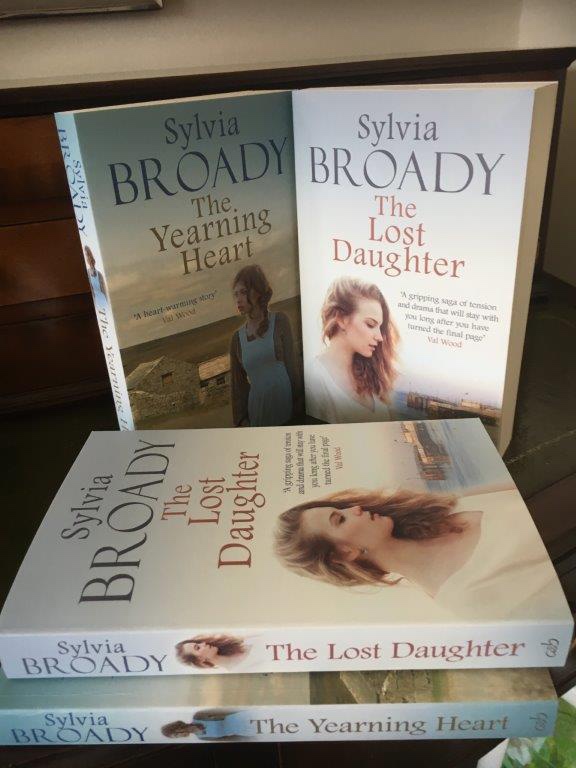
Win 2 x paperback signed books of The Lost Daughter and The Yearning Heart (OpenInternationally)

http://www.rafflecopter.com/rafl/display/33c69494268/

*Terms and Conditions –Worldwide entries welcome. Please enter using the Rafflecopter box below. The winner will be selected at random via Rafflecopter from all valid entries and will be notified by Twitter and/or email. If no response is received within 7 days then Rachel’s Random Resources reserves the right to select an alternative winner. Open to all entrants aged 18 or over. Any personal data given as part of the competition entry is used for this purpose only and will not be shared with third parties, with the exception of the winners’ information. This will passed to the giveaway organiser and used only for fulfilment of the prize, after which time Rachel’s Random Resources will delete the data. I am not responsible for despatch or delivery of the prize.

And there is more …

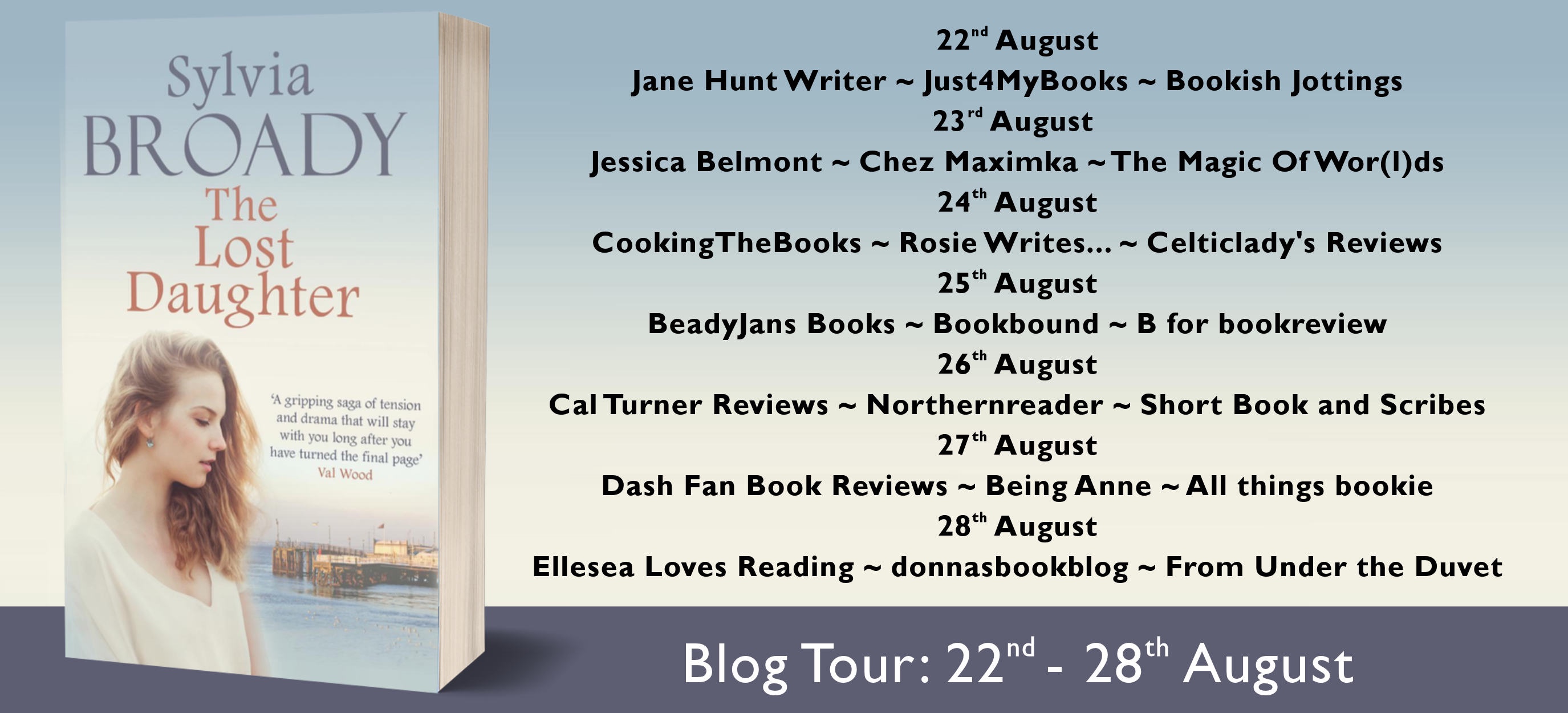
The blog tour for The Lost Daughter continues with these fantastic bloggers. Check out their thought on the book by following the details below.

Blog Tour Review : The Oshun Diaries by Diane Esguerra

Today I am taking my turn on the Blog Tour for The Oshun Diaries by Diane Esguerra. Many thanks toRachel @ Rachel’s Random Resources for the opportunity to read and review this individual and iluminating book.

The Blurb…

High priestesses are few and far between, white ones in Africa even more so. When Diane Esguerra hears of a mysterious Austrian woman worshipping the Ifa river goddess Oshun in Nigeria, her curiosity is aroused.

It is the start of an extraordinary friendship that sustains Diane through the death of her son and leads to a quest to take part in Oshun rituals. Prevented by Boko Haram from returning to Nigeria, she finds herself at Ifa shrines in Florida amid vultures, snakes, goats’ heads, machetes, a hurricane and a cigar-smoking god. Her quest steps up a gear when Beyoncé channels Oshun at the Grammysand the goddess goes global.

Mystifying, harrowing and funny, The Oshun Diaries explores the lure of Africa, the life of a remarkable woman and the appeal of the goddess as a symbol of female empowerment.

My thoughts…

As a teacher I am a big believer in the fact that your education never really ends. You spend your whole life acquring knowledge, sometimes from the most unlikely of places. This desire to learn and grow is a huge factor in my love of reading. And I enjoy nothing more than learning about completely new things.

It was this philosophy that drew me to The Oshun Diaries. I do read non fiction, but usually about subjects that I have some prior knowledge of; this book pushed me completely out of my comfort zone. And I am so pleased that it did.

The basis of the Ifa culture is one bound up in the importance of women and the empowerment of the female form. A religion with many Gods and Goddess where gender stereotypes are challenged and the roles are fluid, it is a culture that was margianlised and virtually destroyed by the Colonial Power Structure imposed by the West. Diane explores throughout the book the ways the West have cheated and robbed the African nations and left countries in chaos in their wake.

Nigeria is presented as a beautiful country but one that is filled with complexity and often danger. It is against this backdrop that an incredible Western woman is seeking to reinstate and preserve the Sacred Groves of the Ifa culture. It is a complex story of cutures coming together, one which many find hard to understand. When seeking to find a place for her documemtary about Adunni’s life and work Diane comes up against fears of cultural appropriation and questions about the validity of the culture in today’s world.

Her relationship with Adunni, protector of the sacred shrines is fascinating. Adunni was born Suzanne Wenger. An Austrian Artist who fell foul of the Nazi regime, she join the Resistence, helping marginalised groups during the war by providing safe havens. As with many things about Suzanne/ Adunni her past is unclear; did she, for example serve time in a German Concentration Camp?

This was a fascinating read for me, unlike anything I had read before. It was refreshing to read about a belief system that was so firmly rooted in the female form. It was empowering and enlightening and made me aware of just how narrow, how mainstream, how Western my view of the world’s religion’s is.

This book gave me the reminder that I sometimes need of how much there is to see out there and just reaffirmed my belief that you have to push out of your comfort zone at times, because you never, ever stop learning.

About the author…

Diane Esguerra is an English writer and psychotherapist. For a number of years she worked as aperformance artist in Britain, Europe and the United States, and she has written for theatre and television. She is the recipient of a Geneva-Europe Television Award and a Time Out Theatre Award.

She is previously the author of Junkie Buddha, the uplifting story of her journey to Peru to scatter her late son’s ashes.

She lives in Surrey with her husband David.

Diane Esguerra

Giveaway to Win 5 x PB copies of The Oshun Diaries (UK Only)

*Terms and Conditions –UK entries welcome. Please enter using the Rafflecopter box below. The winner will be selected at random via Rafflecopter from all valid entries and will be notified by Twitter and/or email. If no response is received within 7 days then Rachel’s Random Resources reserves the right to select an alternative winner. Open to all entrants aged 18 or over. Any personal data given as part of the competition entry is used for this purpose only and will not be shared with third parties, with the exception of the winners’ information. This will passed to the giveaway organiser and used only for fulfilment of the prize, after which time Rachel’s Random Resources will delete the data. I am not responsible for despatch or delivery of the prize.

http://www.rafflecopter.com/rafl/display/33c69494265/?

Links to purchase The Oshun Diaries

Readers can order the book from the Lightning Books website at 30% off (with free UK p&p) if you enter this code at checkout :

BLOGTOUROSHUN

http://eye-books.com/books/the-high-priestess-of-oshun

or Amazon links for UK can be found here and US here

And there is more…

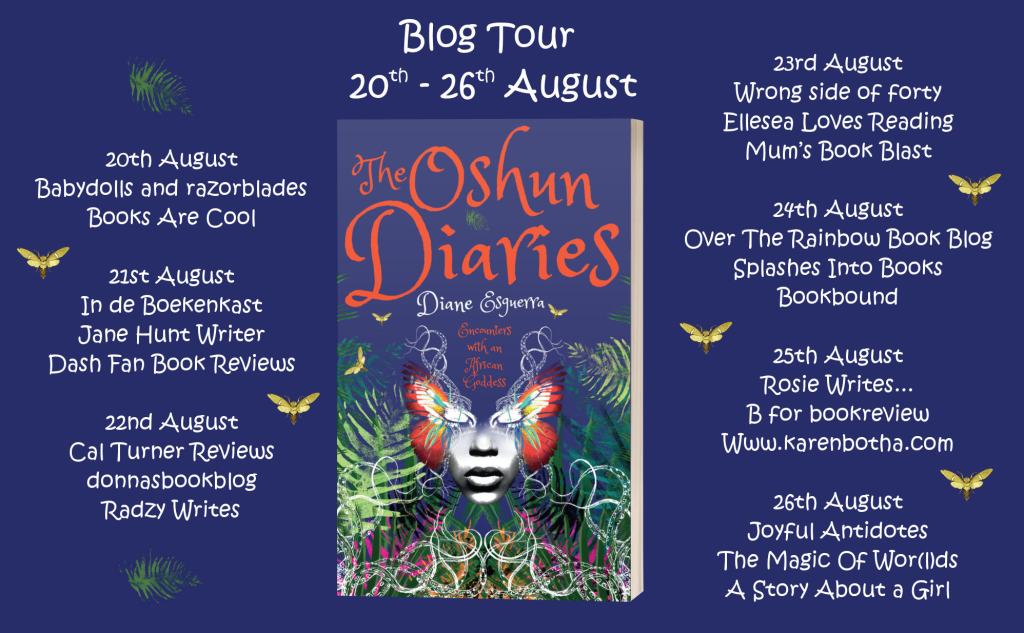
For other’s thoughts on The Oshun Diaries check out the blogs listed below.

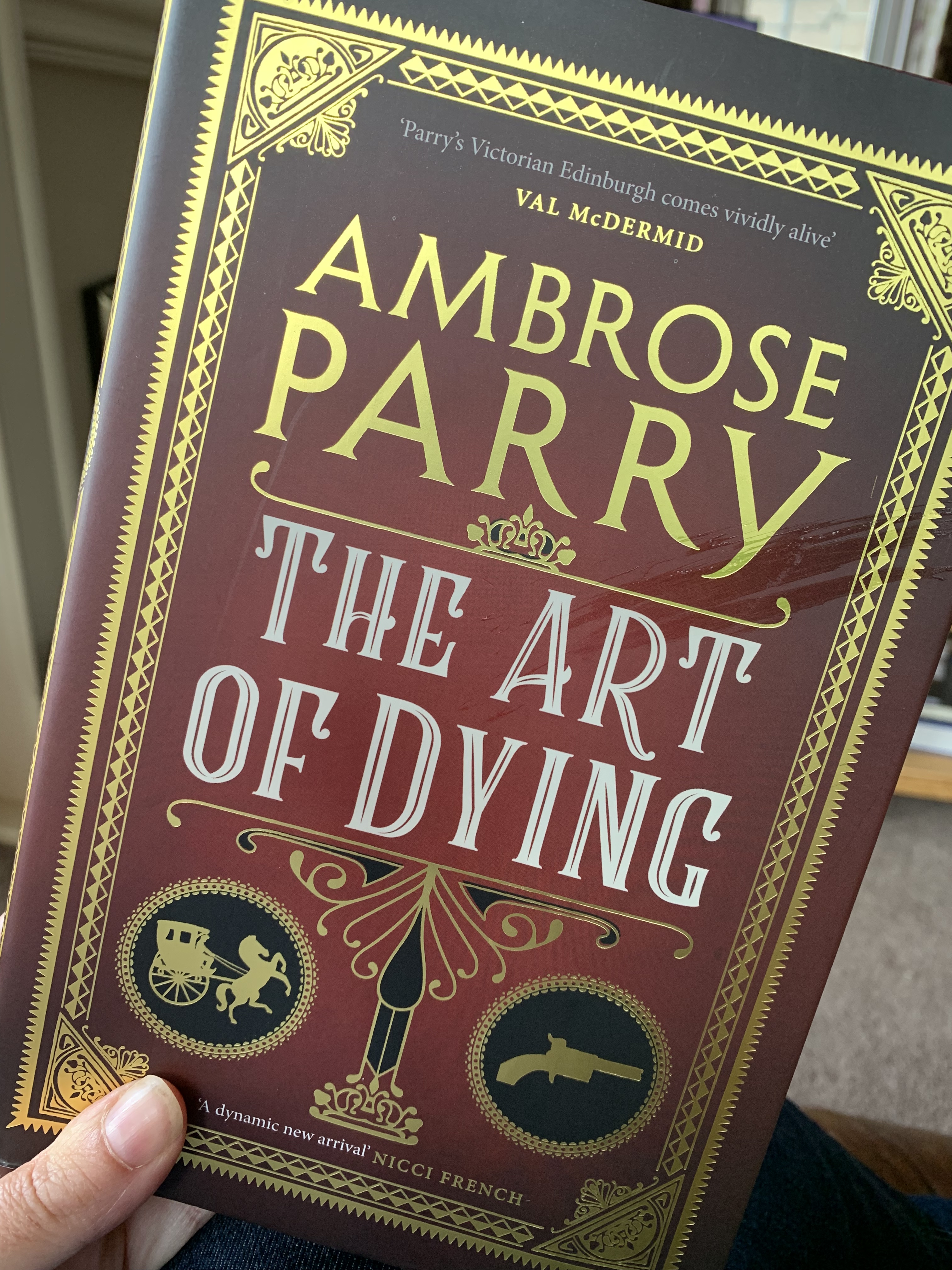
Book Review : The Art Of Dying by Ambrose Parry

Hands up, it is confession time!

Before we go any further I need to say…

I haven’t read The Way of All Flesh, the celebrated prequel to the The Art Of Dying, but rest assured I will be sorting that out pronto!

The reasons me wanting for getting my hands on a copy of the The Art Of Dying were numerous. Regular readers of the blog will know that I love historical fiction, love a bit of mystery and jump for joy at the prospect of reading about strong female characters.

The Art Of Dying has all this and more.

But what really intrigued me and sent me cap in hand to Jamie Norman at Canongate Books, (Many thanks for my copy!) was the intriguing prospect of not one but two authors.

For Ambrose Parry is the pen name for Chris Brookmyre, bestselling novelist and his wife, Dr Marisa Haetzman, consultant anaesthetist. They have pooled their many talents and come up with a winner!

The story is set in Edinburgh in 1848. Will Raven, a promising young doctor returns from his European travels to rejoin the household and practice of Dr Simpson, celebrated medic and pioneer of the use of chloroform. Will’s return is overshadowed by events abroad, previous local skirmishes and the unwelcome news that his previous love interest, Sarah Fisher has married in his absence. It has to be said that Raven is an entirely fitting name for this young man with something of the devil about him.

Sarah is Dr Simpson’s former housemaid. An intelligent young woman, her skills have been acknowledged and encouraged by Dr Simpson. In a move entirely against the grain of the male dominated medical world, he has made her his assistant. Sarah is also married to a progressive man Dr Archie Banks, who encourages her medical ambitions. Archie, however, is dying and their time together is destined to be short.

And Archie is not the only person dying in this story. Around the city it seems that whole families are succumbing to strange new symptoms. One such case reaches the attention of Sarah and Raven, as Dr Simpson is slandered by rival doctors. Determined to clear the good Doctor’s name the pair find themselves embroiled in the mystery of the deaths.

Is this a new, as yet unrecorded disease? Or is something or someone more sinister at work?

The city of Edinburgh at this time was at the forefront of medical provision and progress. Throughout the novel we are faced with a whole series of medical professionals who are on the cusp of new ground breaking discoveries. There is a continual battle between those who want to push the surgical boundaries and move forwards, and those who cling to older more traditional, and sometimes down right dangerous ideas.

This story is set in a time when often medicine is for the rich. In Victorian Edinburgh death, is all around, through illness, accident and poverty. Life is not certain; death is quite simply the over riding theme of the book.

The authors have cleverly crafted a tale which continually highlights the fragility of life. The specialism of both Dr Simpson and Dr Raven is Obstetrics, and the Victorian era is a dangerous time to give birth. It is quite symbolic that a mass removed post-mortem from a patient contains teeth and bones. This tumour seems to embody the closeness of birth and death.

And pregnancy and birth are seen as having other implications for women too. Sarah ponders at length what will happen to her medical knowledge and daily work when she herself is a mother. She fears that one life will end when she produces another.

The emancipation and advancement of women is another powerful message within the novel. Sarah longs to be a doctor, yet despite being recognised as equally intelligent and diligent by those around her she is unable to seek a professional qualification.

Sarah is a canny young woman taking charge of her life, hankering for some of the power and status medicine provides. She is determined to develop her skills for her own empowerment but also for the greater good.

But within the novel there is another strong intelligent woman at work, again skilled in medicine and again thirsting for knowledge and certainly power. But her motivations and actions are in direct conflict with Sarah.

Indeed the two characters provide a powerful juxtaposition, Jekyll and Hyde in it’s nature, casting gothic shadows across the plot.

There are so many elements in this book I admire and which conjure other books I love. The battle for female physicians brought to mind Sarah Moss’ brilliant Bodies Of Light. The dark but clever female character weaving her spell in plain sight reminded me of Jane Harris’ superb Gillespie and I. The impeccable historical detail and sophisticated plotting is perfect for fans of C.J. Sansom’s Shardlake series.

The Art Of Dying was a truly engrossing and intelligent read and it is absolute to delight to discover more fantastic authors. Holding my breath to hear more from Ambrose Parry…

Rachel

The Art Of Dying by Ambrose Parry is published on 29th August by Canongate Books.

ManBooker Review #3 : 10 minutes 38 seconds in this Strange World by Elif Shafak

This is a truly beautiful book.

Obviously visually with it’s stunning cover, shades of blue and gold that complement each other so perfectly.

But the words, the words within are truly, truly beautiful. This is a story told and imagined through the senses. Through taste, touch, smell. Through sound and sight, Istanbul and it’s inhabitants are brought to life.

At the simplest of levels this is the story of Leila, a prostitute found dead in a dumpster in Istanbul, discovered and then robbed by youths high on glue. A story with such an ugly beginning is in fact breathtaking in it’s beauty.

The story of Leila’s life is told as her brain begins to close down, minute by minute, sense by sense.

And Leila’s life is unexpected, intertwined with the people she meets and importantly the friends she makes. Five friends, all with different stories, backgrounds and ethnicity, that come together in the cultural melting pot that is Istanbul.

All five of Tequila Leila’s friends are outcasts in one shape or form.

Nostalgia Nalan, once Osman, a brave transgender woman who ran from her farming family in Anatolia on her wedding night.

Sabotage Sinan, Lelia’s oldest friend, son of a progressive female pharmacist, now trapped in a loveless marriage, forced to hide his friendships.

Jameelah, Somalian born to Muslim father and Christian mother, destroyed by her mother’s death, trafficked to Istanbul and prostitution.

Zaynab122, born in Lebanon into a Sunni family. A family so intermarried that dwarfism is common, hence the 122. Making her way to Istanbul, she finds herself cleaning the brothel where Lelia works.

Hollywood Humerya, cat rescuer and nightclub singer, at home in Istanbul after running from Mesopotamia and an enforced, abusive marriage.

These friendships are the core and the heart of our story. They are the core and the heart of Lelia’s life. Rejected by her own family Lelia’s support and sustenance comes from this diverse group, a complexity which is symbolic and reflective of the city around them.

This is story of true friendship, the friendship that springs from adversity and a meeting of souls, friendships that move beyond accepted definition and become akin to family.

…there were two kinds of families in this world: relatives formed the blood family; and friends, the water family…

…the water family, this was formed much later in life, and was to a large extent of your own making. While it was true that nothing could take the place of a loving, happy blood family, in the absence of one, a good water family could wash away the hurt and pain collected inside like black soot…

Her ‘water family’ are those people that Leila’s can share her truth with, that support her throughout her darkest moments and crucially whom her thoughts turn to in death as her mind slowly, over the course of 10 minutes, 38 seconds, shuts down.

The story of friendship is wrapped in a unique structure. Beginning with a chapter entitled The End we see Lelia’s death. Then follows three parts, The Mind, The Body, The Soul.

This novel is not linear, the story of Lelia’s life twists and turns just like the city that nurtures it. Yet it is the collection and formation of these unique friendships that are the glue that holds it all together.

Istanbul is portrayed as a feast for the senses, the span of the story and the diversity of the characters provides a tangible sense of the political, religious and historical turmoil and tensions which has created and at times almost destroyed this city. A city on a boundary, where East quite literally meets West, with all the complexities that brings.

Here we see the traditional and the modern fighting to co-exist. Sometimes rubbing alongside each other in a disordered and disjointed way. Sometimes one breaking the other beyond repair.

Story after story with in this novel present us with the expectations of family, of parents demanding conformity and tradition and of children torn. Torn between love, loyalty and the need to be true to themselves.

This is a story of what happens when your desires and your experiences don’t fit your preordained path. And how you find a place in the world when your world has rejected you.

And time and again in this generational, cultural, political battle it is women who are the casualties.

Women who are forced into marriages that abusive and filled with constrain . Women who are forced to give up their children, be it at birth or later in the name of family honour. Women who give up their bodies to survive, to serve the needs of men. Women who pay for men’s mistakes when political will changes and religion closes down a household and it’s freedoms.

What better way of commenting on the treatment of women by making a prostitute the focus and the protagonist of this story? By challenging each reader to look beyond a tragic and inauspicious start and to use that great leveller, Death, to revel this women’s history. To share her passions, her past, her tragedies and triumphs. To show us that we need to look beyond the label and the preconceptions, that in built sense of inevitability to discover the real women beneath. To see the brave women escaping one life and trying to make their own realities.

For Death is our storyteller here. It is the one inescapable factor in life and is presented throughout with a gentle but biting humour.

It is the rituals surrounding death that bring Lelia and her ‘water family’ together for one final time. The last section of the book is possibly one of the greatest testaments to friendship I have ever encountered in literature. It challenges the idea that there is one way to deal with a death, bringing together many rituals, creating the idea that departure should be as unique as each life lived.

A book of sincerity and complexity, of beauty, alongside great sorrow, Man Booker Judges if you are listening, this one deserves the Short List.

Rachel x

Man Booker Review #Two : Frankissstein by Jeanette Winterson.

If I could write for just 5 minutes like Jeanette Winterson I would die a happy woman.

Over the years I have continually been amazed by her intelligence, insight and biting wit. Since reading Oranges are not the only fruit in my mid teens, a complete revelation to a young some what sheltered girl (!), I have been completely hooked. No two Winterson books are the same, such is her rare versatility and style, both setting her apart from the crowd.

In that respect Frankissstein is no different.

But it all other respects Frankissstein is completely different.

It is unlike anything I have read before.

To the point where I am actually not sure where to even start with this book.

It is such a feat of fact, beautifully woven with fiction, that encompasses so many relevant and current themes. Winterson’s discussion and consideration of Artificial Intelligence (AI) takes the reader both into the past, the present and the future.

Here is a dual narrative so cleverly employed. Finding ourselves in the company of Mary Shelley, creator of Frankenstein, we see Shelley’s influences and hear her stories. As an observer of ongoing discussions between Mary, Percy Shelley and Byron the reader witnesses the new and emerging thinking of great these minds , debating what is the nature of a human. There is a tangible feeling of excitement and hope as they stand on the edge of advancement, but also a fear and apprehension about what the future holds.

We are then thrown into the present with the transgender protagonist, Dr Ry Shelley, and his lover Victor Stein pioneer of AI. Ry has changed his body, making it a place his mind feels at home. This character introduces and embeds the idea that as a race we are constantly redefining our understanding of what makes us who we are. It is a debate that has raged throughout history and is explored throughout the novel, in both narratives.

This is an treaty on, amongst other things, what it means to be human and how this debate should be guiding some of our thinking as we progress ever further in our quest for advancement and knowledge.

Winterson opens the discussion, raising question after question. Are we more than a sum of our parts? What is the essence of ourselves, and does this lie in our minds or is it part of our bodies too? And if our sense of self lies within our mind, then is the way to eternal life to download our minds and live within an alternative body? Or maybe not even a body? And would we be happy with this, or is our body important after all?

Winterson draws no conclusions but skilfully uses a cast of characters, both past and present, to shape both the potential and the pitfalls of Al and all that goes with it.

Stein is the champion of the technology, pushing it’s boundaries, seeing it’s potential. He is focused on it’s possibilities and is willing to accept any disadvantages for the greater good.

Ry is a moderating presence, open to ideas and possibilities but questioning how far we as a race should go.

Ron Lord, millionaire sex bot creator, sees the commercial advantages of AI, extols the virtues of commitment free sex but also asks the layman’s questions, questions that have a crucial validity in their simple insightful nature.

Enter Claire, American and far right religious, trying to make the moral case for AI, sometimes with twisted logic, making what she sees fit into ‘God’s’ plan. Here we see shades of Darwin and the up roar his theories caused, similarly AI takes us further from long held and traditional views, views which have underpinned belief systems and societies.

Winterson has opened the debate on AI, showing us just how far we have come, where we currently are and questioning how far we can and crucially should go. We are challenged to discuss how AI will benefit the human race, but also what it may cost us. We should question who benefits from these potential advances. Is the progress universally enhancing or does it have the potential to compromise or even destroy that which we hold dear?

The dual narrative shows us that as a race we have always been on a continual journey. Questions that we are asking in this era of advanced technology, Brexit and Trump are questions that were debated by the Romantics in the Villa’s of Florence and Geneva and others throughout time. You can’t stop humans discussing, progressing and push boundaries; there is an inevitability here.

Frankissstein is a book that challenges, that encourages questions, discussion and debate. It’s not a cosy, ‘keep it to yourself’ read. It’s one to push the boundaries, be argued over at dinner parties. It is a book bursting to get off the shelves and out into the big wide world.

A book with a voice that needs to be heard.

I, for one, can’t get this book out of my head. It’s ‘food for thought’ is still being digested and I can’t wait to feast again when I see Winterson at the Manchester Literature Festival on 5th October. (Link for tickets right here !)

I am left with a feeling that this is a book with a very important message in our rapidly changing world.

Rachel

Frankissstein by Jeanette Winterson is published by Jonathan Cape.

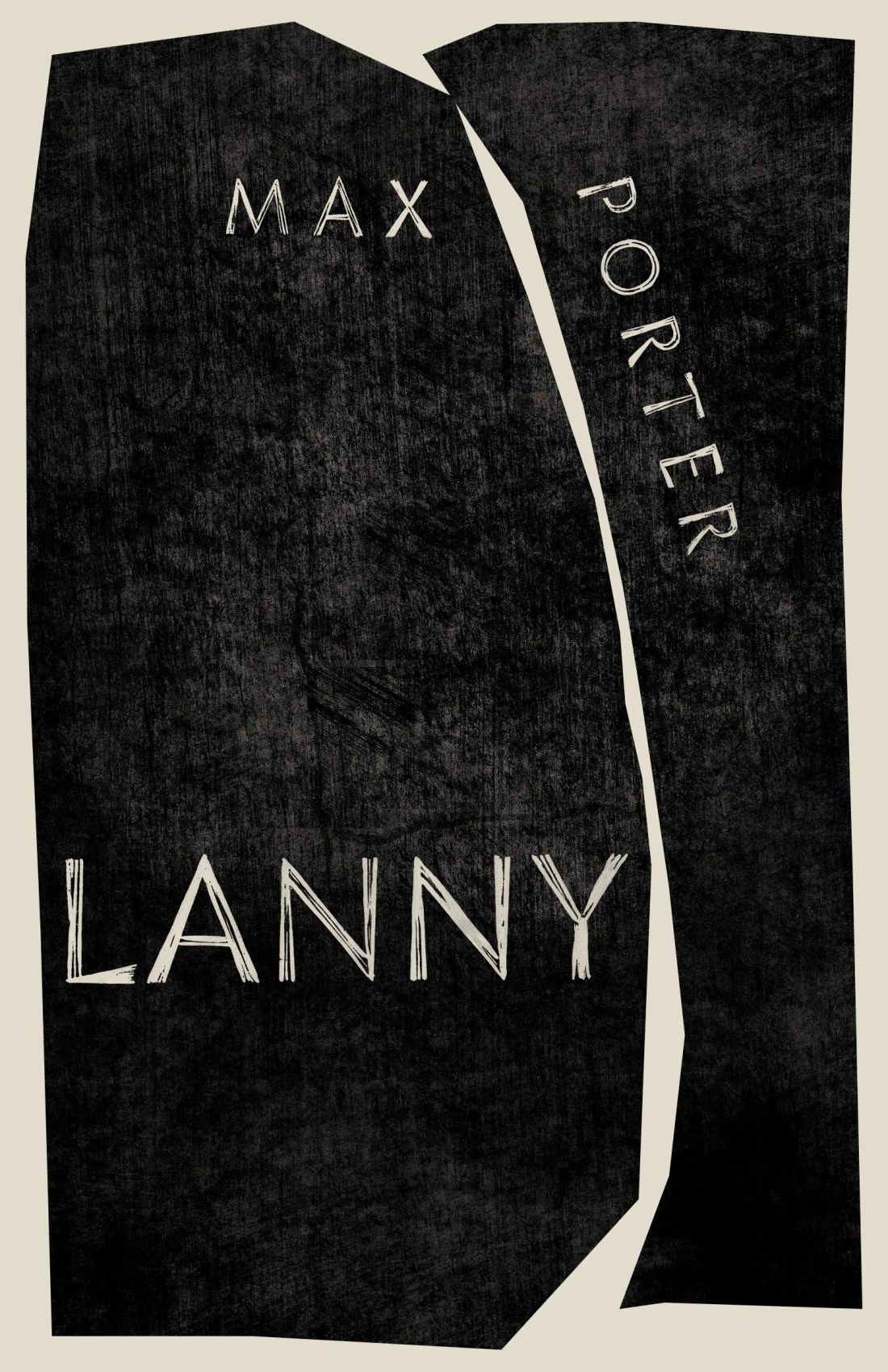
An Unplanned ManBooker Book Review : Lanny by Max Porter

Lanny, Lanny, Lanny!! Where do I start?

As I tweeted last week Lanny was going to be a ‘read but not review book’. It was going to be the beginning of my personal foray into the ManBooker Long List. It took approximately 15 pages before I abandoned that idea, because Lanny was a book I immediately wanted to talk about, write about and share with as many people as possible. Lanny was a book that excited me and I am not very good at keeping quiet when that happens!

So what is it all about? Allow me to try and explain.

Lanny is set in the present day, in a village within commuter distance from London, a village found in the Doomsday book, the village where Lanny and his parents live.

Lanny’s mum is a former actress, now a writer, who is working on violent crime novels that somehow seem at odds with her personality. Lanny’s father works in the City, one of the village’s many commuters. Wrapped up in his job, he is stressed and feels no real connection to the village or most noticeably to his son. As a couple they are together but feel very separate. There is a sense of disconnect in their relationship and their belief systems, cleverly enhanced by the way Porter presents their individual points of view. Both are given separate sections, each short, each very much a capsule of their own thoughts and feelings, each very different to the next.

And what of Lanny?

Well, Lanny is unusual. He is a creative and sensitive boy. He alone in his family feels a connection to his environment, he alone in his family lives up to his surname Greentree. Wandering the village, Lanny is in touch with the world around him. He has a friendship with Pete, a famous but almost reclusive artist who has taken refuge in the village. Pete is loosely employed to teach Lanny art but their relationship is essentially a meeting of like minded souls; Pete and Lanny understand each other, and they learn from each other,

There is another character at work in this novel, one that is less tangible but no less real or important. Papa Toothwort is the village’s oldest inhabitant. He has seen peace and turmoil, prosperity and famine, and now, after a spell of apparent dormancy, Papa Toothwort has awoken. His legend is woven into the fabric of the village, in it’s history, in its church, but it seems that for many a year now Papa Toothwort has been largely forgotten. As the village has changed and the old traditional ways have receded further into the past Papa Toothwort, a pagan Green Man figure, has slipped further from people’s minds.

But now Papa Toothwort is awakening. The voice of the earth, and the all seeing eye of the village has been disturbed from his slumber. A malevolent force which seems to absorbed the years of abuse inflicted upon the ground Papa Toothwort is a shapeshifter and a trickster, able to get into the homes and sometimes the minds of the villagers. There is a very real sense that Papa Toothwort is here to teach someone a lesson, to claim back a village that has lost it’s sense of self.

And Papa Toothwort feels a connection with Lanny. Is it Lanny’s arrival in the village that has awoken him? Or is it the increasingly insular and distasteful behaviour of the villagers themselves?

The sections in the first part of the book that present Papa Toothwort’s point of view are disordered and fragmented. They are made up of Papa’s own thoughts as he awakes from his slumber, and supplemented by snatches of conversation he hears from around the village. Porter has created soundbites that are authentic and pithy, the like of which we might over hear in any pub, cafe or on any bus. Short bursts and phases they may be but they build a compelling portrait of life in the village. In the beginning they chime as humorous, fragments of gossip and trivia, but as time moves on they become more disordered, disturbed and disturbing.

As Papa Toothwort draws closer the style of his entries become more frantic, the tone of the snatched conversations becomes darker. And we find ourselves asking is Papa Toothwort inherently malicious or is he just a mirror, reflecting the mood and behaviour of the village and it’s inhabitants? Either way there is a terrible inevitability to what happens next.

Lanny is missing.

With this revelation we enter Part 2 of the book and the style changes again. Porter draws us into that terrible world where a child has vanished, where everything is unreal and chaotic. A world where time is precious but it seems to be behaving strangely. A world where judgements are made and false trails are laid. There is a insular, almost claustrophic feeling to the writing, a desperation for the truth and on some level a desperation to be believed.

In the immediate aftermath of Lanny’s disappearance the fragmentation of the village is ever more apparent. Feelings that have been hiding behind doors are openly expressed, as if Lanny’s disappearance has forced barely concealed ill feeling to the surface. When suspicion falls on those closest to Lanny we find ourselves in the paradox of those who understood Lanny least casting their net of judgement.

Part 3 of the novel brings resolution. It is dreamlike in style and flows in an organic way towards it’s conclusion. It is a mark of Porter’s skill as a writer that he has managed to create a book of such seperate styles that work so cohesively. The story of Lanny and his place within in the world is a simple but beautiful one. It is told in an original but entirely fitting way. The writing, it’s style, order and choice of words perfectly reflect the subject matter and personality of this book and it’s protagonist.

Sometimes you read a book and it speaks to you in the first few pages. Sometimes you read a book and you want to recommend it far and wide. Lanny is one of those books. Beautifully crafted, each phase or word placed with care.

Without a shadow of a doubt, Lanny deserves it’s place on the ManBooker Long List, and I am really hoping to see it on the Short List.

Rachel x

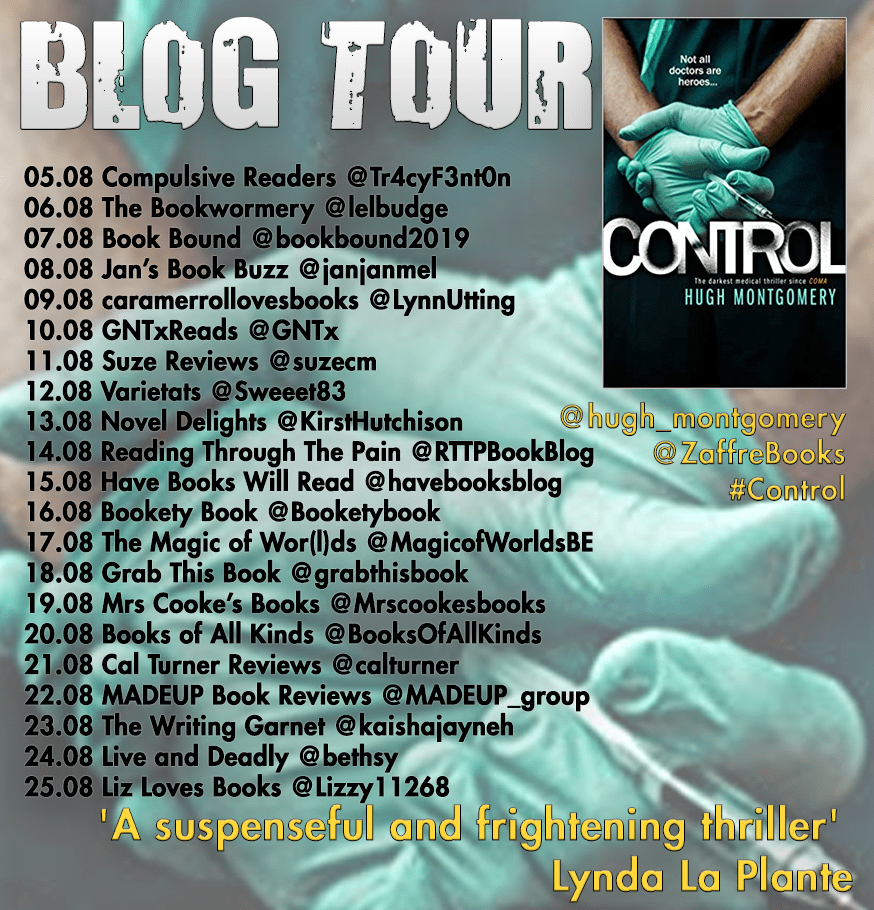
Blog Tour: Book review of Control by Hugh Montgomery

Today is my turn on the blog tour for the spine tingling thriller that is Control by Hugh Montgomery. Many thanks to Tracy Fenton of Compulsive Readers for inviting me along. Without further ado, on to the book..

About the book…

When dedicated Junior Doctor Kash Devan begins his rotation at the Victory hospital nothing could prepare him for the roller coaster ride. The things that Dr Devan will see and do and the decisions he will have to make will take him far beyond the every day grind of the wards. And change his life forever…

Consultant surgeon Mr Trenchard inspires respect and awe across the hospital. His charm and brilliance is legendary and never in doubt. From his first encounter Kash is dazzled by the older medic’s skill and flair.

And yet there are darker undertones that seem to follow the man. Not everyone is quite as smitten as Kash. Is there something sinister about the good doctor? What is left unspoken?

Normal hospital life is turned upside down when Trenchard is found unresponsive in his office one night. The scene has all the hall marks of an erotic game gone wrong and Trenchard is left brain dead, his reputation ruined and the air alive with gossip.

But is everything as it first seems?

For the quiet but astute Doctor Devan something just doesn’t quite add up. Who, for example put out the crash call? Who is the mysterious woman who has been seen visiting Trenchard, complete with younger man in tow? Why is there evidence of further harm to his patient?

And more importantly is Trenchard’s mind as damaged as it seems? Surely a brilliant mind isn’t so easily snuffed out? Or could he hold the key to his own fate, and if so can Devan unlock it in time?

But more importantly should he?

This is a novel full of questions. Questions about timing, motive, character and past. Questions all woven together to form a tangled web of dark intrigue where no one is above suspicion and nothing is ever quite as it seems. There are suspects abound, as it becomes clearer that more than one person has reason to wish Trenchard harm.

But it is a novel with a solid foundation in authenticity and impeccable knowledge. There is an well drawn sense of place and it’s setting is vivid in the mind’s eye. The addition to detail is apparent from the start and it grounds the events in an uncomfortable reality, which makes its unfolding events even more chilling.

With a well paced plot and believable dialogue, this is a snappy and intriguing thriller that will keep you guessing right up to the last sentence.

About the author

Hugh Montgomery is a distinguished physician, known for his pioneering genetic research.  Outside the field of medicine, he was a founding member of the UK Climate and Health Council and is an endurance expert, who has run three ultra-marathons, scaled the world’s sixth highest mountain, jumped naked from a plane at 14,000 ft and holds the world record for underwater piano playing. Zaffre, Bonnier Books UK’s flagship adult fiction imprint, will publish Control in August 2019.

And there is more…

For more reviews of, and reactions to Control check out the rest of the blog tour.

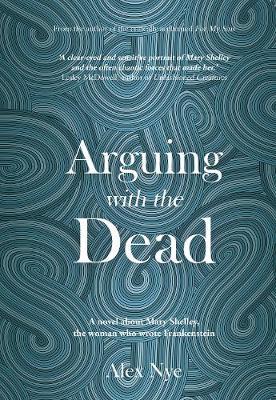
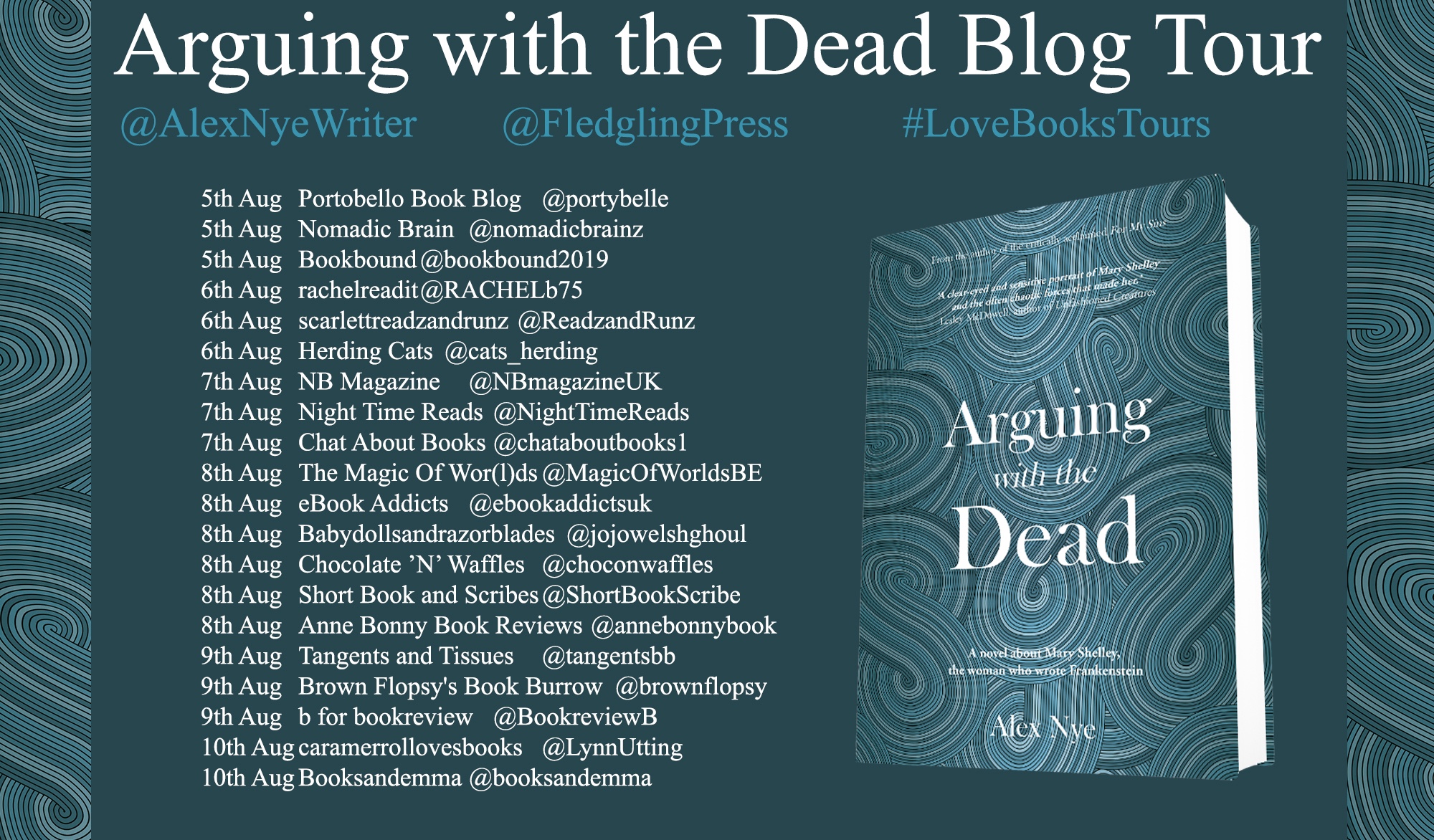
Blog Tour: Book Review – Arguing With The Dead by Alex Nye

I cannot tell you how thrilled I am to be taking my turn today on the blog tour for Arguing With The Dead by Alex Nye, published by Fledgling Press. Thank you to Kelly of #LoveBookTours for inviting me to take part.

So come with me and let’s us take a trip back in time, to 1839. To Putney, by the banks of the frozen Thames where a widowed Mary Shelley finally begins the process of sorting the jumble of papers left by her husband, Percy Shelley.

As she works she recalls in fascinating but often painful detail their lives together. A life that began in elopement when she was just 16 and ends in a isolated Italian villa with Percy’s death.

Told in the first person, this is the extraordinary but tragic life of an remarkable young woman. As the the daughter of William Godwin, and Mary Wollstonecraft, she carries a proud legacy, but one that comes to haunt her.

This account is marked by beautifully authentic voice, in which Nye captures perfectly the narrative voice of Shelley.

Nye places repeated emphasis on the fact that Wollstonecraft dies from complications of childbirth, leaving Mary with incredible feelings of guilt but also a true awareness of her own morality, particularly linked to the bearing of children.

Nye presents us with the stark reality of a 17th Century woman. A reality that includes limited if any birth control, perilous pregnancies and deliveries, followed by high levels of infant mortality. For all her mother’s brilliance and progressive ideas, and despite Mary’s own unconventional life style, this is a inescapable truth that marks her young life with Shelley.

And mother’s influence is so keenly felt, in so many ways . It is her mother she turns to in her mind during childhood, trying to escape the tangled web of her unhappy relationship with her Step Mother, Mary- Jane.

When the family’s reduced circumstances force them to leave their beautiful home, The Polygon, to live trapped between the polluted River Fleet, Newgate Prison and Smithfield market, it is the loss of her visits to her mother’s grave that leaves Mary mourning once more.

Mary longs for her mother, longs to be like her. Her birthdays are always tinged with thoughts of what might have been.

But most importantly her mother’s progressive ideas on the role and capabilities of women’s define Mary’s own life, but perhaps not in the way she would wish.

With incredible skill, Nye shows us how it is the ideas and indeed legend of Wollstonecraft that first draw Shelley to the Godwin family home. At first it seems that her adoption of an unconventional life with Shelley is the embodiment of her mother’s ideals. Indeed Wollstonecraft’s philosophy is used by Percy to justify the constant, and for Mary, difficult presence of her step sister Claire in their lives. For every time Mary seeks to push this cuckoo from the nest, Shelley sights her Mother, using her teachings to justify his relationship with Claire. He has found her Achilles Heel and cleverly uses the progressive arguments, held so dear to her heart, as a way of constructing a gilded cage.

It is the ultimate exploitation of an understandable weakness and one which reflects the double standards that run throughout the book.

Brought up in a progressive household and exposed to radical thinkers from an earlier age, it is heartbreaking for Mary to find that when she tests these boundaries she is repeatedly shun by those she loves and respects.

Her father, William Godwin, will not see her until she marries Shelley despite his free thinking political and philosophical views. Despite championing Wollstonecraft, some might saying exploiting her memory; despite, indeed, conceiving his own daughter out of wedlock.

And what of Mary’s own literary career. She is devastatingly talented, conceiving and creating Frankenstein aged just 19. This is a work which draws upon all of her feelings of worthlessness, isolation and disconnection. A work that embodies the idea that she herself is the monster, a product of men created in the myth of her mother but cast aside when she acts on the philosophies they only talk about.

It is the ultimate double standard, the ultimate gilded cage. And one which rears it head time and time again when Mary’s attempts to publish her novel. Nye shows in painful and infuriating detail how the work is rejected repeatedly, only to find a place published under a male pseudonym. A familiar story but set against Mary’s back drop one that seems so grossly unfair.

There is no doubt that the dead loom large in this novel. For it is truly a gothic tale. There is the air of a dark fairy tale woven cleverly through the narrative. The portrayal of a young woman who is continually in danger of straying from the forest path. For when ever happiness settles in Mary’s life it’s appearance is fleeting. Her relationship with Shelley is marked by continual sacrifice and loss, including loss of self and tragically loss of young life.

Through the character of Harriet, the shadowy figure of Percy’s first wife Nye creates a supernatural feeling of inevitability. It is Harriet who haunts Mary’s dreams and increasingly her waking hours. It is Harriet who seems to cast the final judgement on this unconventional union.

Is Harriet a ghost in the truest sense? Or is she a manifestation of a mind at the limit of what it can endure? A physical embodiment of guilt, regret and tragedy?

Arguing with the dead is historical fiction at it’s finest. Nye has captured the very essence of Mary Shelley, given her a voice, a point of view and allowed her story to shine. She has taken a tale we think we know well and given us fresh eyes through which to see it. In the style of great historical fiction Nye has whetted the appetite and made the reader want to find more. For many readers I suspect that this will be the beginning of a love affair with the story and work of Mary Shelley.

About the author …

Alex Nye was born in Leicester, England. She writes for both adults and children. Her children‘s novel Chill won a Scottish Children’s Book Award in 2007. Her historical novel For My Sins, based on the life of Mary Queen of Scots was published in 2017.

And there is more…

For more reaction to,and reviews of, Arguing with the Dead check out the other fantastic blogs listed below. This is just the beginning!

Arguing with the Dead – Alex Nye is published by Fledgling Press and is available now.