Book Review : Beneath the Surface by Fiona Neill

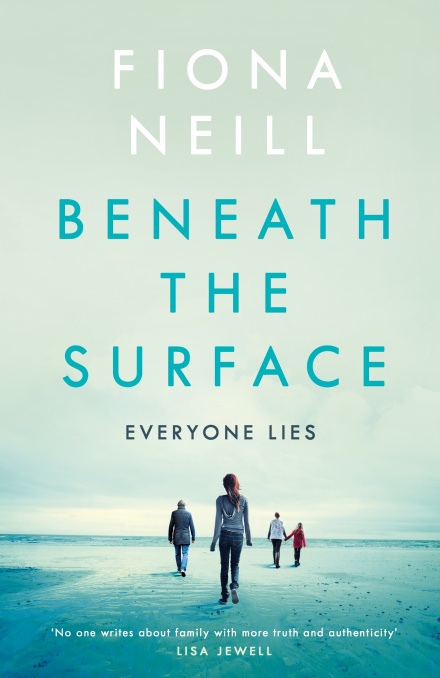
In a land where the sky is king, the weather announces itself hours in advance; the fields, ditches and dykes have a Mondrian‑like geometry, that repeats itself with utter predictability as far as the horizon; and you can see anyone approaching for miles.”

It is rare, in fact so far unheard of, that I start a review with a quote from the book in question. However this quote sums up so perfectly how I remember the Fens of my childhood it was an obvious place for me to begin.

Fiona Neill has hit upon the very openness of the landscape and the huge brooding skies; skies that reached the ground, skirting fields of wheat and barley for mile upon mile. Unlike the rugged Lakeland landscape I now call home The Fens are not beautiful in the traditional sense, but they have a unique quality and one which for me is ever present.

It is this unique quality which Fiona Neill has been so accomplished at embedding into her novel. It is a quiet delight to find a novel with such a strong sense of place, a sense of place which not only grounds the novel but is central to it’s key themes and motivation.

For The Fenland that Neill writes about is seeped in history and that history is cleverly interwoven into the lives of the characters.

Patrick, husband and Art History teacher, is the descended from the Dutch pioneers who drained the land, reclaiming it from the sea.

Mia, younger daughter; eccentric, creative and straight talking, becomes fascinated, some might say obsessed by the Anglo Saxon burials recently uncovered. They offer a glimpse into the past but they also indirectly threaten the future. Tas, Mia’s traveller friend, is likely to lose his site in order to preserve this newly discovered and important site.

The past, seeping through to the present, is a theme running through the very veins of this novel. For when Lilly, fated older daughter and A grade student collapses at school, her parents Grace and Patrick are thrown into a world of turmoil.

Grace has spend years constructing the perfect life for both her girls. The product of a chaotic and abusive childhood, Grace clings to normality and the concrete. Navigating her life with her notebook of Certainties she has suppressed the most traumatic event in order that her girls may thrive. But just like the rising marshland water that is infecting their new home, the more Grace fights her past, the more it threatens her present. Her need for boundaries is ingrained, but what happens when those boundaries stop being healthy and become a cage?

The story is testament to the fact that the past runs through all of us. Deny it and it will find a way to make it’s self known. Neill shows the reader that by suppressing the past we are giving it a momentum of it’s own.

Yet secrets within this novel are not confined to just the past. Here we find a compelling portrait of a family coping with both collective and individual problems . No one person is telling the truth. Each is keeping close watch over their own and indeed other people’s secrets, in a misguided bid to protect the family as a unit.

Lilly, for example, has created a double life; dutiful and driven daughter, competing for a coveted University place, verses young woman experiencing love, sex and deceit for the first time. When the pressure of this charade becomes to much the fallout affects not just Lilly and her family but the wider and surrounding community.

This novel is held together by tight family bonds. The theme of siblings and their unique relationships runs deep. They are a source of tension, humour and unexpected revelations, which once again underline the connections between past and present.

Neill has created a cast of characters that are authentic and believable. Their motivations, however misguided never seem outlandish, such is the skill with which they are drawn. It is a mark of Neill’s accomplishment as an author that the reader finds their sympathies continually shifting throughout the novel.

Should you want to take a trip to the open Fenland landscape the Beneath the Surface is an excellent place to start and one I would recommend.

Huge thanks go to Penguin Random House for sending me a digital copy in exchange for an honest review.

Book review – Expectation by Anna Hope

Ever get an Advance Reader Copy of a book that makes your heart sing?

That’s what happened to me when I was approved for Expectation by Anna Hope. So thank you Transworld Books for making a middle aged blogger very happy!

Anna’s post World War 1 novel Wake has lived large in my memory for a number of years. I vividly remember reading it on a 5 hour train journey north. Spellbound and moved, I finished it almost in one sitting. Thank goodness my stop was the end of the line, as I would have undoubtedly missed it otherwise.

Hence my excitement about the release of Expectation.

And I wasn’t disappointed.

Expectation is a novel about three women, all ploughing their own furrow. All following their own and others expectations, none of them completely fulfilled.

Cate, Hannah and Lissa have been friends for years. Connected by past events and shared memories, all three are at a crossroads in their lives.

Lissa is an actress, not quite fulfilled, still seeking success, constantly in awe and frustration with her artist mother.

Hannah is successful, married but desperate for a child, and facing down the process of IVF and all that it brings.

Cate is a new wife and mother but feels life has over taken her and that somehow she has missed out; that she has taken a wrong turn and is not fulfilling her potential.

Throughout the novel we see each woman peering in at the lives of their friends, and building their own expectations and desires. Each woman is questioning what they have achieved and quietly coveting what the other has.

Hope has created a believable portrait of friendship that houses underlining tensions and unspoken truths. Events and emotions in both the past and future seek to undermine the foundations of their friendship and those of people surrounding them.

The power of this novel lies, undoubtedly, in the authenticity of the characters. Their dilemmas and stumbling blocks aren’t outlandish or unusual. In fact that they are common, some might say mundane but they are all the more powerful and heartbreaking for that.

There is a real sense of empathy with these characters. We care what happens to them.

More than that we feel what happens to them. We have been Cate, or Hannah or Lissa. Surely is a rare individual who hasn’t questioned where their life is heading or where they have ended up.

And it is this quiet simmering undertone of dissatisfaction and re evaluation, which drives the story along. Can these characters make the changes they need, even if means changing the course of their lives and not fulfilling their own and others exacting expectations? Or are they destined to live up to Expectation but live unfulfilled?

Hope is showing us that fulfilling ‘Expectation’, is not necessarily the key to happy and successful life. In doing so she has created a novel that refines the terms and phases of our everyday lives.

Is fulfilling Expectation a mark of success? Or do we judge our lives through different eyes?

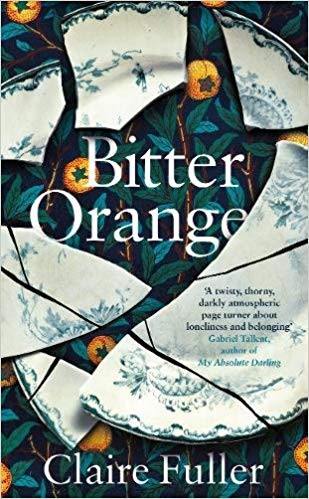
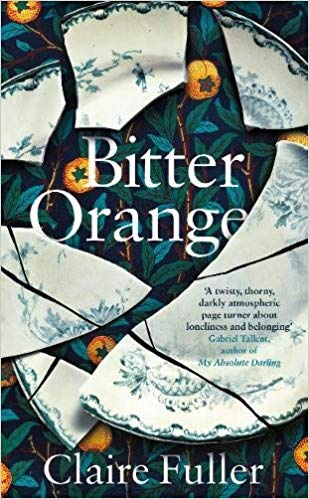
Book review : Bitter Orange by Claire Fuller

I am certainly a little late to the party with this one but ‘wow’, what an absolute gem. This was chosen as a read for one of my book clubs, and I am so grateful it was. The novel had been languishing, undiscovered on my Kindle for weeks and I had clearly been missing something very special.

Before I go any further I must say a big ‘Thank you ‘ to Claire for kindly providing our group with some great ‘book club’ questions. It focused our discussions and gave us a great insight to this multilayered tale.

So what’s it all about? Well a brief synopsis is called for here because one of the joys of this novel is in it’s unravelling. An air of mystery is present from the beginning and pervades throughout, and there is no way I am spoiling anyone’s reading pleasure!!

We begin at the death bed of Frances Jellico. Triggered by repeated visits from the ‘vicar’ Frances is swapped by memories.

It her mind she is back in 1969. A long summer when Frances, recently released from a life of caring and drudgery after the death of her mother finds herself working in a crumbling country house. Tasked with cataloguing and researching the house’s horticultural architecture by it’s new American owner, she finds herself living alongside an intriguing couple Cara and Peter.

Cara is fiery, unstable and longing for Italy. Peter, there to catalogue the inside of the house, seems both drawn to and unsettled by his partner’s unpredictability.

Frances is certainly drawn to both Peter and Cara. Attraction to Peter pulls her close and Cara’s compelling stories seem easy to believe, however unlikely they maybe.

Parallels can quickly be drawn between the two women. Both have difficult relationships with domineering and seemly cruel mothers, both seem to worship fathers long since absent. The lack of parental guidance has all too clearly left it’s mark. Peter seems to take on the mantle of both lover and father figure for both women at various points. Parental chaos is a key underlying theme of the novel.

All three characters fall into a Bohemian and careless routine. Drinking and eating late into the night, pulling each other into strange confidences and conversations, making unlikely and misguided decisions. Decisions that will have terrifying consequences for all concerned.

The state of the house; that of faded grandeur and with an air of broken down convention, has a dramatic and far reaching effect on all three characters, but perhaps most markedly on Frances. Here we see a casting off of restraint. This rather uptight and cowed Woman steps into the light, casting off her Mother’s hand me down girdle and donning floating vintage gowns. Along with her clothing she sheds morality and normality, swept away by this heady new atmosphere and strange, remote setting.

Moreover the house seems to act as metaphor for the character’s lives. It reflects the jaded nature of their past but it too has a history is full of complexity and sorrow. The turmoil of the buildings mirrors the turmoil all the central characters seem to find themselves mired in.

For all of our characters are searching for a truth, a reason for a being, a deeper meaning to their existence. All protagonists have secrets, some more shocking than others. And all are trying to find a way to make peace with those secrets and reconcile themselves with decisions they have made.

At times it feels as those there may be supernatural forces at work within the house. Frances particularly experiences unexplained and unexpected events within her rather shabby sleeping quarters. Confusion and chaos increase throughout the novel, but is it real or imagined? Supernatural or a reflection of the state of someone’s happiness or guilt? Is it just easier make a glib reference to ghosts or even miracles, rather than confront an uncomfortable truth?

For be in no doubt, the narrators in this novel are nothing if not unreliable. Cara is feted as the obvious problem but slowly we come to question everyone’s reliability and integrity. Who, if anyone can we believe? What is Frances hiding? What of Peter’s past? For even the house has secrets that it won’t easily relinquish.

There is a pervading theme of seeking the truth, of spying on others, of listening at closed doors and only hearing part of a story. Characters in this novel are not in possession of the full facts, they can’t see the full picture and the consequences are dire. I promised no spoilers but Frances first discovery is a clear signpost for truth seeking and secrets in the most clandestine of ways!

Because from the start the reader is working through a fog of confusion. Where is Frances now? Who is this ‘Vicar’, and why is he bringing her back at the end of her life to a summer long ago?

As the story concludes ask yourself; are you sure of the truths you have acquired? Or do you need to spend a bit more time with Frances, Cara and Peter? Is there more to unravel in this rather complex web of ‘truth’?

Claire Fuller has created one of those delightful books that is so easy to read and utterly compelling, yet is multi layered and complex. One of those books that is just meant for discussion, that becomes even more vibrant and in this case, sinister with continued thought and probing.

It is a book ripe for rereading, with the promise of finding yet more hidden treasure.

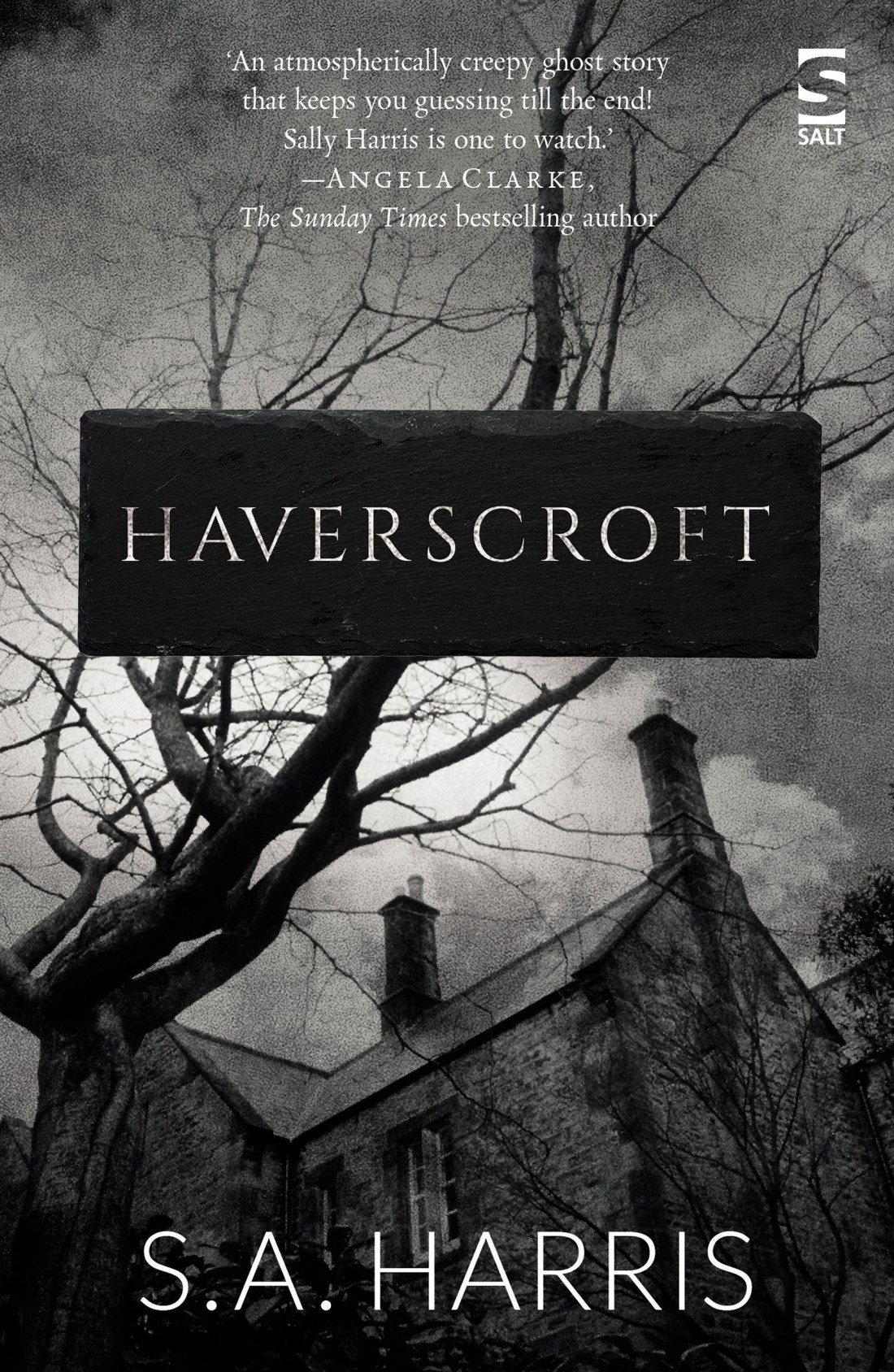
Book Review: Haverscroft by S.A.Harris

I am always in the market for a good ghost story. Followers of Bookbound may well remember that Susan Hill’s classic ghost story ‘The Woman in Black’ made it, rather strangely perhaps , into my Top Ten Comfort Reads. I like nothing better than raising my heckles and disappearing off to dark, forbidding places, bring on the spooks I say!

But the trouble is, in recent years I have found good ghost stories rather hard to find. By the way I am quite happy to be proven wrong in this assertion, so feel free to send me your best supernatural offerings. But be warned I am quite picky. I am not talking horror here, not overtly gruesome or grizzly. I am talking about an old fashioned ghost story, filled with lots of psychological head messing and gloomy attics. Ideally it will contain a storm and definitely an isolated house with untold secrets. Throw in a few freaked out locals for good measure and I am in clover .

The last great ghost story I remember reading was Sarah Waters delicious The Little Stranger. Dark, powerful and reread at least twice, it scratched my ghost story itch. I was starting to think that no one was writing great ghost stories anyone more.

Then along came. Haverscroft

In the past few weeks my Twitter feed has been increasing filled with talk of a new, exciting supernatural tale. Written by Sally Harris and published by Salt, this was a modern ghost story; bang up to date in setting and style but with all the ingredients for a perfect ghost story and more.

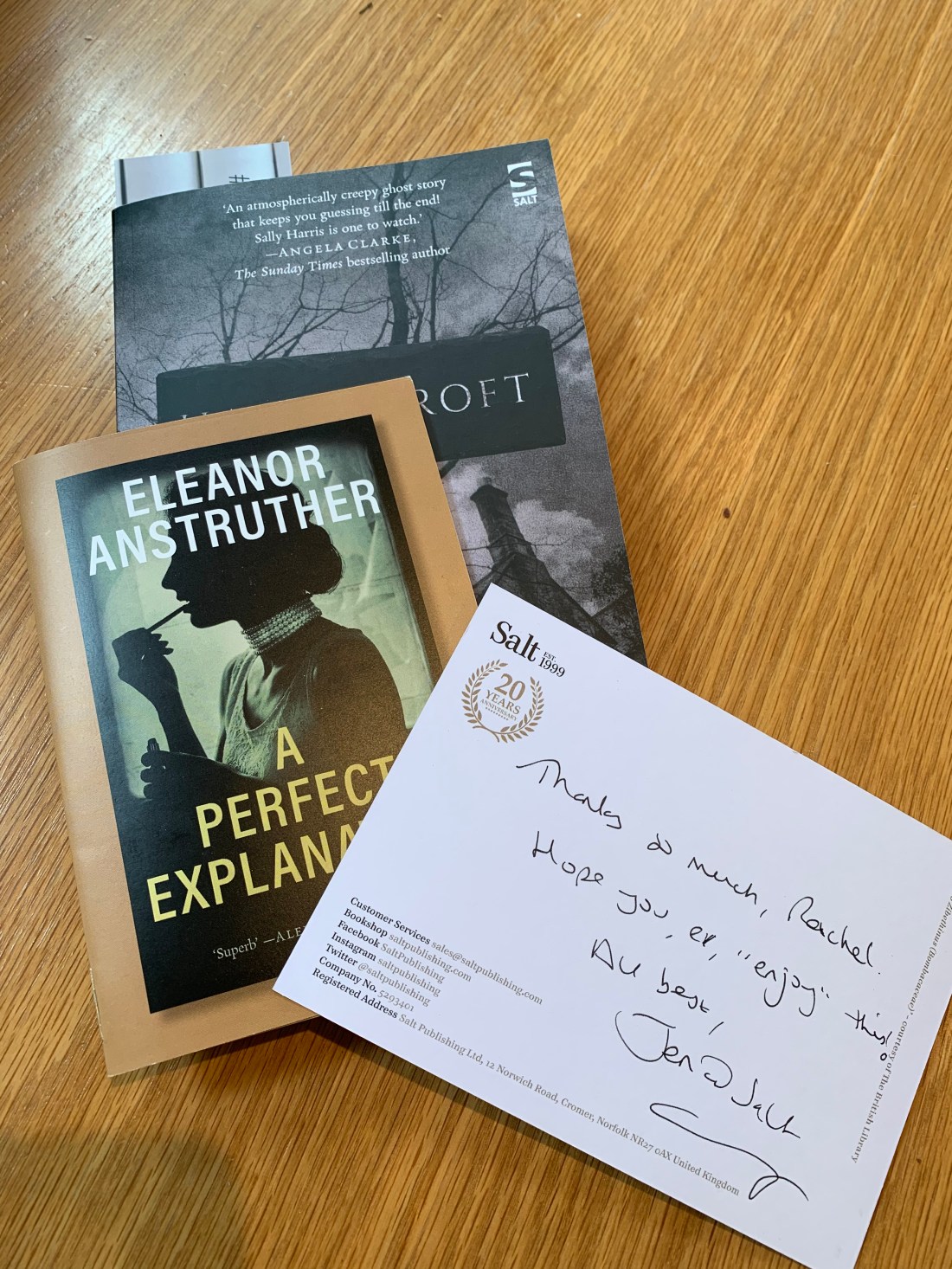
When my beautiful little bookish bundle arrived from Salt, right in the middle of half term, I suspected I was in for a treat.

So here begins the tale of Kate and Mark; we join them on the day they move to Haverscroft, a rundown house in the countryside. Escaping from their London life and trying to repair the cracks in their marriage, the couple arrive at Haverscroft with their young twins. Mark is sure that this the place for them, he is confident and firmly grounded in reality. By contrast Kate is unsure; buying the house feels like a concession to her past mistakes. She is recovering from a breakdown, has left the city and her old life in a determination to make the marriage work. Driven by guilt and uncertainty it is a shaky ground for a new beginning.

Add in the locked attic, sealed by the previous owner, the strange Mrs Havers, doors that refuse to stay shut and an expensive but crumbling classic car in the garage and the we are heading towards ghost story perfection.

Yet Haverscroft is so much more than a standard ghost story. Sally Harris has built this story in a modern and beguiling way. Kate is our guide through this old house and all that comes with it. Her vulnerability makes her immediately relatable, her determination to make this work for her family makes her admirable. And yet her struggles with her mental help don’t make her appear entirely reliable. Harris has created this unreliable narrator to increase the readers interest and make us question what appears to be happening. Can we trust Kate ? Are the things she is experiencing and feeling supernatural happenings or are they due to her fragile mental health?

Slowly and skilfully Harris paints the picture; Kate is not a one dimensional static character. She grows in strength and confidence as the novel progresses. Her feelings about the house and it’s happenings are supported and reflected in the reactions and experiences of the twins, Shirley, the house keeper and other locals. As the house begins to reveal it’s secrets and difficult questions are asked then it moves from being vaguely unsettling to toe -curlingly terrifying.

And if Kate is an unreliable narrator, she is not the only one. In a tale spun of secrets, the feeling that few characters are telling the whole truth adds to the mystery and uncertainty. Mrs Havers, with her selective memory, Mark with his strange behaviour, disappearances and unsettlingly communications; just two of several further examples of an unreliable narrator. Haverscroft is a tangled web of half truth and secrets untold.

Another reoccurring theme is that of mental health. At first Kate seems isolated and alone in her struggles, yet as the novel progresses other characters are revealed as having their own mental health issues. Richard Denning, long time gardener and friend of Mrs Havers has been in an asylum, his past spreading suspicion and doubt on his present and future. The secrets of the house are tied up in the Post Traumatic Stress of Edward Havers war years and his subsequent behaviour. And how far can we trust Mrs Havers? Is she trapped in the beginnings of dementia as Lyle, the local solicitor would have everyone believe.

Herein lies the strength of Harris’ exploration of mental health. It is others reactions to another’s mental health that provides catalyst for the drama, both in the past and the present. There are parallels between Mark’s behaviour and his reaction, some may say exploitation of Kate’s illness, and reactions to both Mrs Havers and her sister by Edward Havers. Here is a story that focuses on power, power within relationships and how love and guilt are used to control, even years later.

Harris has creative a breathtaking portrayal of the damage caused by secrets and what happens when secrets and grievances refuse to die. Using the classic ghost story motifs surrounding lost children and troubled marriages Harris has written a bang up to masterpiece. It’s domestic setting and attention to detail makes it entirely relatable and it is all the more bone chilling for it.

Thank Sally Harris for giving me another great ghost story to ‘enjoy’ and proving to me that the art telling a ghost story is not forgotten.

Haverscroft is published by Salt Publishing and can be bought right here!

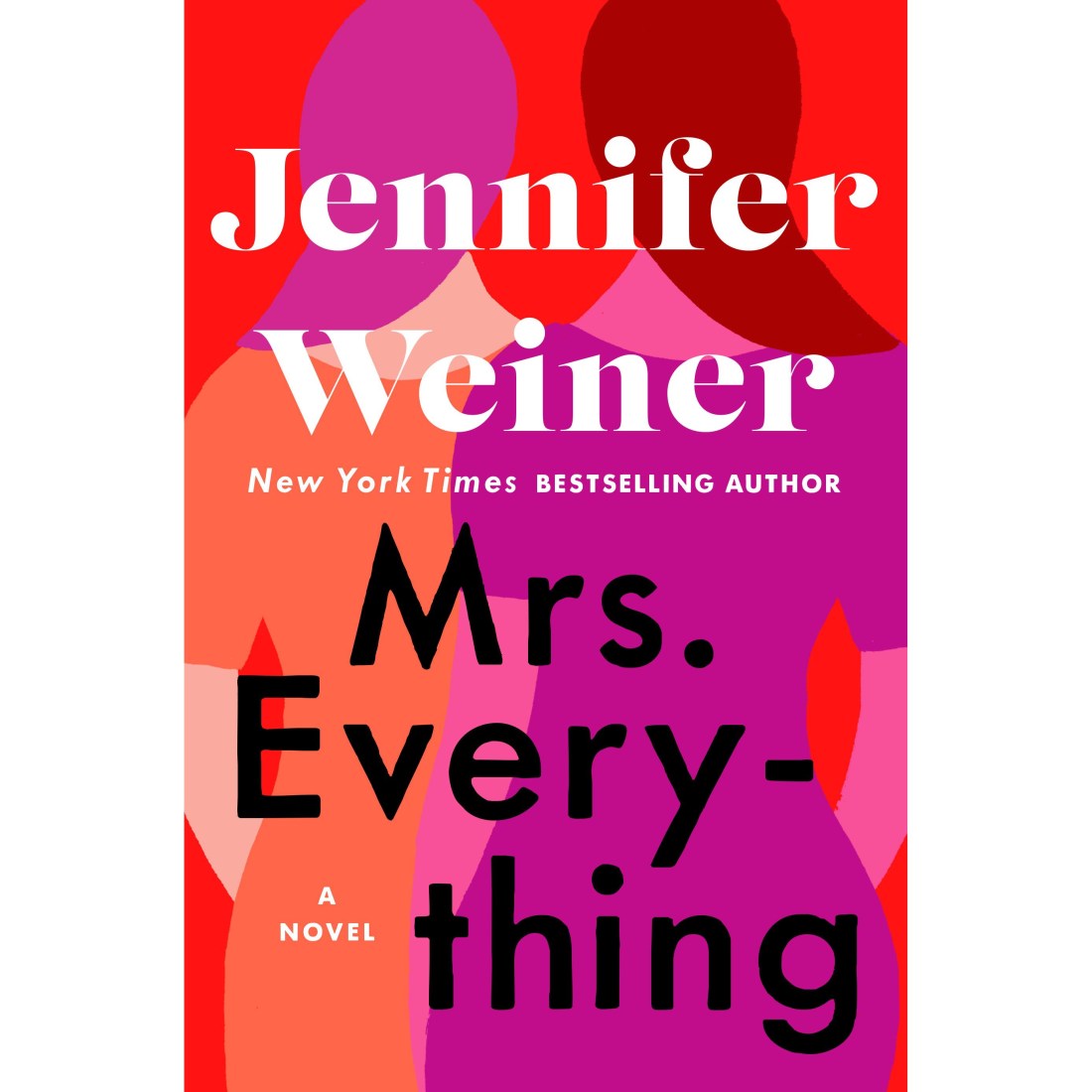
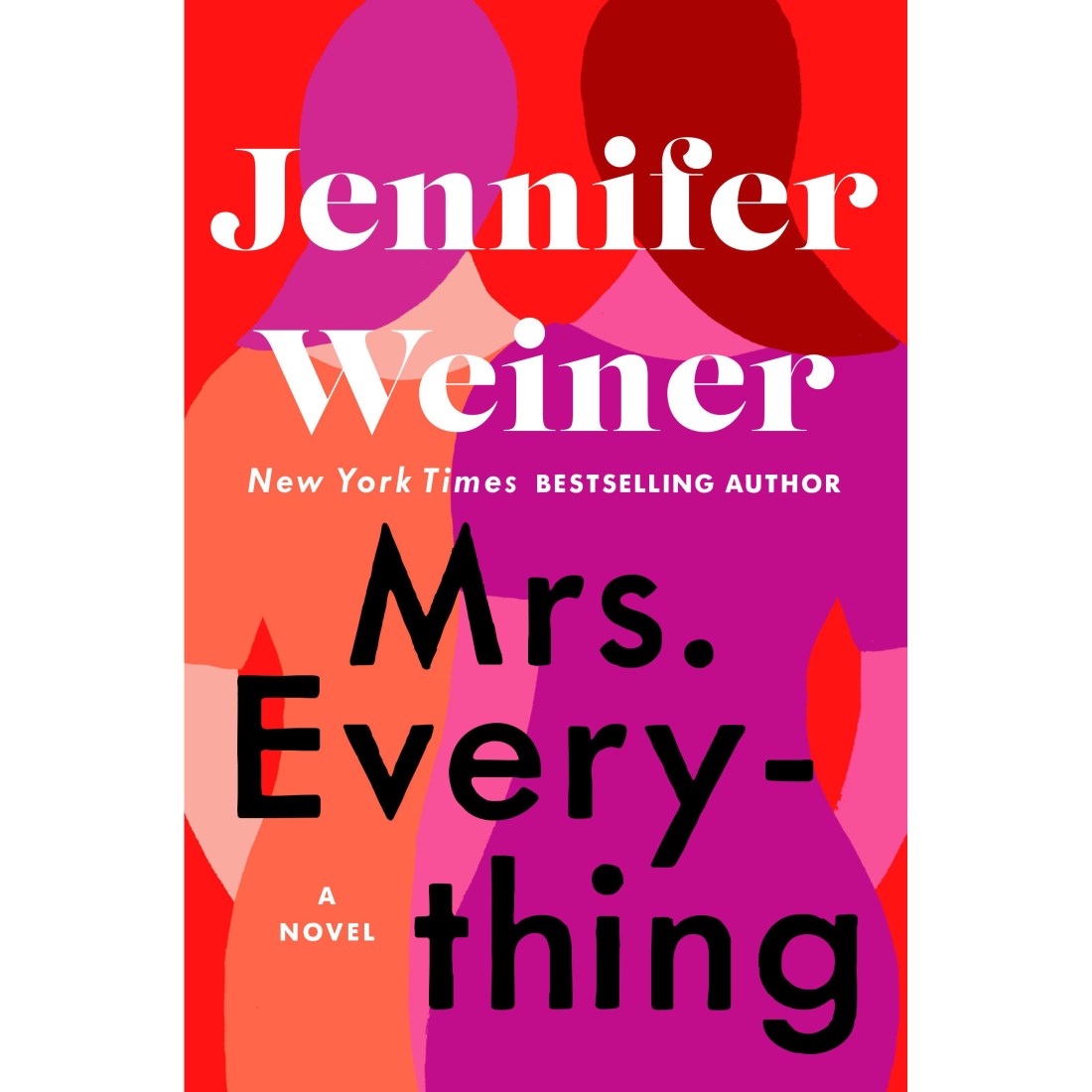
Book Review: Mrs Everything by Jennifer Weiner

Mrs Everything is a compelling American family saga published by Simon and Schuster on 11th June. Thank you to the publishers for my digital advanced reader copy in exchange for an honest review.
The story of two very different sisters Jo and Bethie begins in the 1950’s and comes right up to date with the #MeToo movement. This is a novel that highlights a society experiencing a sexual and political awakening. Through the staid years of the 1950’s, to the civil rights and anti war protests of the 1960’s, the Women’s liberation movement of the 1970’s, we follow these two women. From the outset it seems their lives are predetermined but surprising circumstances and equally surprising decisions carry the women along different paths. Nothing is predictable and if you think you know where this story is going you probably don’t!

Spanning three generations, this is a book about over coming societal norms and ploughing your own furrow. This is a story of discovery, of what it costs to find yourself, to be comfortable in your own skin. It is a novel that explore the idea that there may things in your own make up you have to make peace with in order to live a fulfilling life. It is about giving yourself permission to learn from your mistakes and the strength to reinvent yourself.

Encompassing issues of sexuality and racial diversity Weiner has created an authentic cast of characters trying to find their way in a rapidly evolving world.

As much as this is a novel about society, outward looking and including defining moments of the 20th Century, it is also a novel concerned with character and how families function. Weiner has much to say about how our family relationships are often the bedrock of our lives and asks, ‘Do we let these relationships define us, even restrict us? Or do we take strength from the positives and disregard the rest?’

Perhaps most importantly, this a novel with feminism at its heart . It is a novel championing strong women characters, each on their own individual journey, each trying to come to terms with what they need and what society and their families seem to demand of them. Weiner’s clever use of believable and inter generational stories serve to illustrate how far the women’s rights movement has come and, also, how far it still has to go.

Weiner is portraying sisterhood, in it’s truest form. Not all female characters are heroines; indeed there are some true and deep betrayals along the way, and neither all men one dimensional monsters. But, as the novel unfolds, there is a sense of women coming together, across cultures and across the years to watch each other’s backs and smooth life’s bumpy road. In essence Weiner is trying to explore that age old question, can we really have it all? Can we be Mrs Everything? What defines us or more importantly what do we let define us?

Something in the novel’s tone reminded me of another great American novel of sisterhood, Louisa May Alcott’s timeless Little Women. Were the key characters in Mrs Everything named for two of those sisters of long ago? I don’t know, but in this readers mind they are definitely linked.

Mrs Everything is about real women, living real lives and making real choices. It is relevant, readable and charming. With a host of strong characters it is hard not to find something to relate to within its pages.

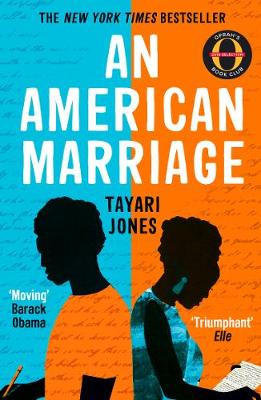
Book review : An American Marriage by Tayari Jones

The completion of this book marked the end of a personal mission; my quest to read all of the shortlisted Women’s Prize novels. I managed to squeeze it in just in the nick of time, before the winner’s announcement on 5th June. Last minute as usual!

To be fair I finished An American Marriage a few days ago. As always I like to let a book settle before I try to review it, take a little bit of time to gather my thoughts before I put words down. I was all set to go and then I watched Simon @savidgereads Women’s Prize Final Thoughts with his lovely mum Louise. As usual it was insightful and entertaining, but it did throw me a curve ball. It brought to my rather limited attention that An American Marriage was a retelling of the myth of Penelope and Odysseus, and it was something I hadn’t connected with at all.

Too be honest it threw me off kilter. I was left wondering whether I needed to reassess my responses in the light of this new knowledge. Should I delay my review, while I did a bit more research?

However I have decided that this review will be what all the others before it have been; my initial and personal response to the novel based on what I saw and the knowledge I brought. I could brush up on The Odyssey but it wouldn’t be an honest representation of what i found when I read this book.

So in short, this review has a distinct lack of Greek myth vibe. I hope it won’t be the poorer for it.

So after a rather long winded justification of my blogging choices, lets move on to the book. An American Marriage is the story of Roy and Celestial, a black, recently married couple living in the USA. Roy is wrongly imprisoned for a crime he didn’t commit. The novel is the story of their time apart, how they cope and what this ordeal means for their marriage. Add in steady, dependable Andre, mutual friend and long time admirer of Celestial and the scene is set for heartbreak.

The structure of the book is clever. It is largely told in a series of short chapters written in the first person, from the point of view of Roy, Celestial and later Andre. Each person has a voice; a powerful, persuasive voice. Just when you think you know where your sympathies lie in this tangled tale, you hear another side, experience another raft of emotions and your perspective changes again. Here is a skilful portrayal of how this couple are ripped apart by this devastating event, but how their experiences and reactions are understandably completely different.

Roughly a quarter of the book is told in a series of letters, written over the five year period that Roy is in prison. To begin with these letters are beautiful, lyrical love letters, holding on to details, trying to keep a young marriage alive. As well as being an exceptionally clever device to show the passing of five long years, they enable us to appreciate how different each characters experiences of those five years are.

Slowly the letters become a source of conflict, revealing how these circumstances have forced the couple into making desperate decisions, decisions that they come to blame each other for. As tensions rise, other letters appear, from other family members and friends, highlighting gaps that are appearing and the way the world is moving on without Roy.

And it is easy to blame the difficulties of this young marriage on the tragedy that befalls it. It seems, and is indeed alluded to throughout the novel, that Jones is retelling that all too familiar tale of a young black man, wrongly punished for a crime he doesn’t commit. Roy’s life is turned upside down, destroyed, his college education, promising career offer no protection as history repeats itself one more terrible time. And all of this is true and relevant. This is undoubtably a comment on the dangers of being a young black male, suspected and victimised. It is a shattering of the illusion that the cycle of racial discrimination has been broken.

But is this the whole story for this particular marriage? In truth, from the beginning, this feels like a marriage built on fractured ground. Even before they are parted both Roy and Celestial are keeping large secrets, coming to terms with different backgrounds and familial tensions, trying to find a solid foundation for their relationship. Right at the start Andre is a presence in their marriage; paradoxically both the one who brought them together and the ultimate potential threat. Even without all the hurdles in it path, would this marriage have survived ?

Celestial and Roy’s is not the only marriage we see portrayed within the novel. Roy’s parents are devoted, traditional; Big Roy’s refusal to allow any hand but his own to bury his wife reflects his final act of love. It is seeing the solid foundation of her own parents marriage as mirror to her own union that compounds Celestial’s doubt about it’s future.

This book throughly deserves it’s place on the Women’s Prize Short List. It does what great books do well, it effortlessly combines the microcosm of a It’s characters, in this case a marriage in crisis, with the wider portrayal of racial tensions and historical factors. So many times over the past months I have heard surprise that this book won a place alongside Diana Evan’s Ordinary People. It was felt by some that it was short sighted to have two books about marital breakdown on the list, just as people felt that two Greek retellings might have been one too many.

Aside from the fact it looks like we have three Greek myths retellings (!), I feel that Ordinary People and An American Marriage are totally different books. They may have similarities, but there is nothing ordinary or everyday about the situation Celestial, Roy and Andre find themselves in. A comparison with Ordinary People feels to me to be superficial.

So there we are. All six shortlisted books reviewed and considered. We await the verdict with anticipation. Anyone got a hunch? Because I haven’t got a clue which way this one is going!

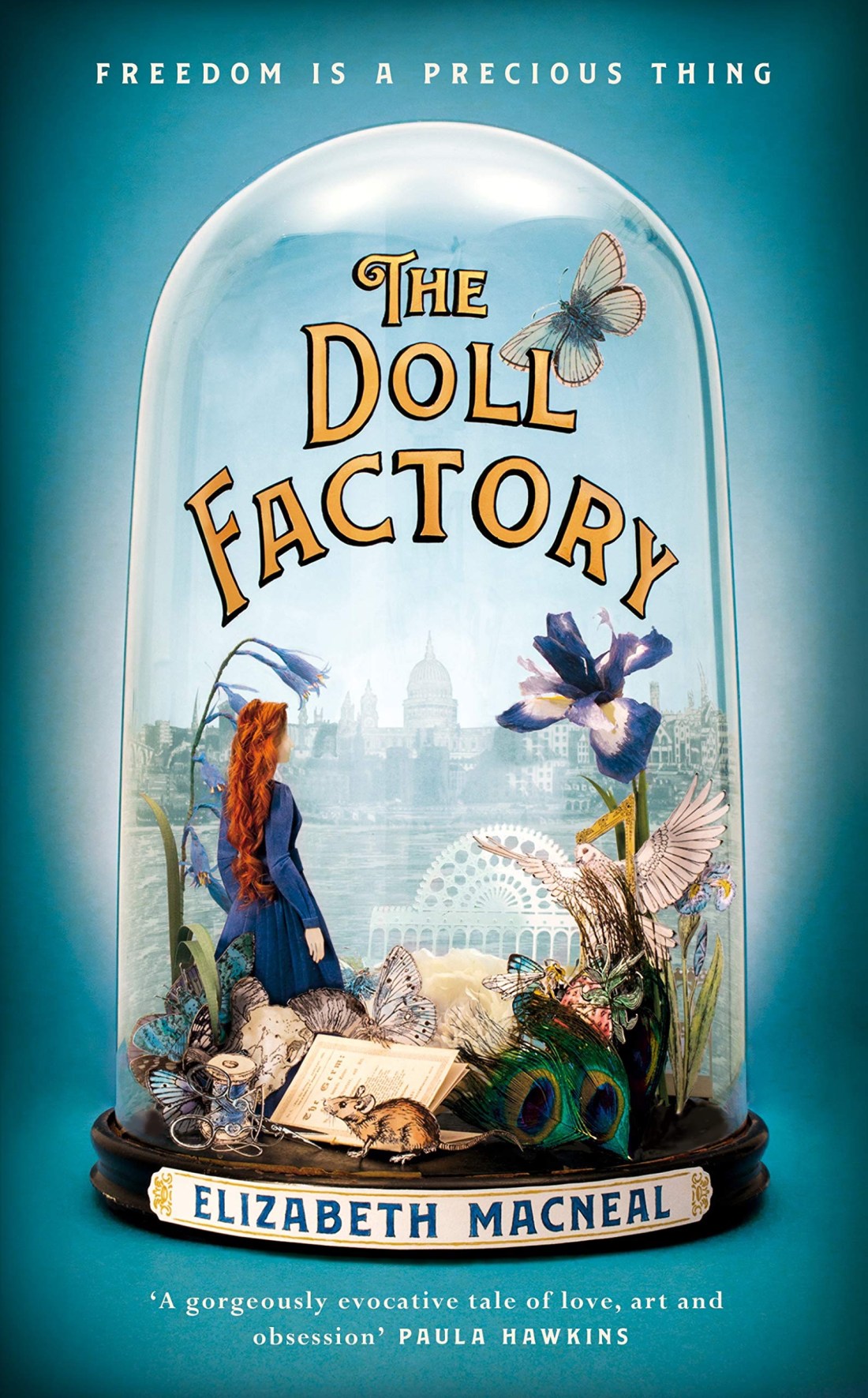
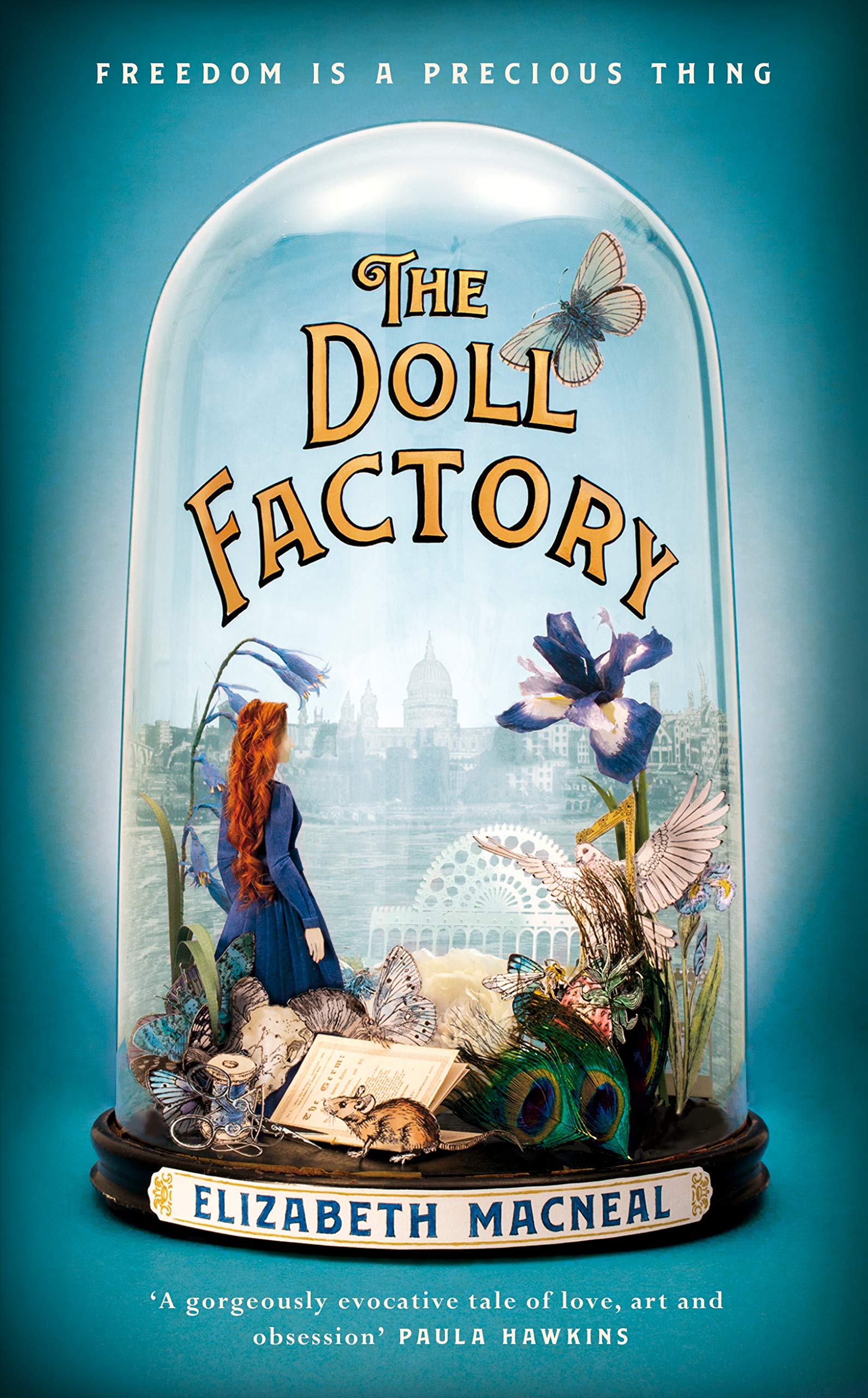
Review: The Doll Factory by Elizabeth Macneal

Before I start , quick question would writing in loud, shouty capitals

“THIS BOOK IS AMAZING, I COMMAND YOU TO BUY IT!”,

 cut it as a book review?

No? Thought not. Well then we have a problem because I am actually a bit – well, very – scared to review this book. I enjoyed it so much that I am worried that I can’t do a good enough job in conveying how beautiful and complex it is. I just don’t know if I can do it justice, I feel I might some how break the spell it wove around me by trying to write about it. 

But,  on the other hand, I can’t ignore it. It is one of the most amazing books that I have read this year. So I can’t be a ‘proper’ book blogger if I don’t write about, so here goes. 


 The Doll Factory by Elizabeth Macneal is set in Victorian London. It is 1850 and the Great Exhibition is on the verge of opening. Iris and her twin Rose are working in a Doll Makers shop. Discontented with her lot Iris dreams of being an artist. A chance meeting leads her to the Pre-Raphaelite artist Louis Frost. She becomes his model, his muse and a developing painter in her own right, changing her life completely. But in escaping her life in the doll shop Iris incurs the disapproval of her parents and her sister. Cut loose from her family ties Iris is drawn further into the artist’s world, becoming Louis lover and caught up in his desires for a a place in the Academy Exhibition. 

Silas Reed is watching Iris. Introduced to her by street urchin Albie, he is convinced that she is the girl he needs to make his life complete. A loner, working as a taxidermist, dreaming of creating his own exhibition, he is waiting to make Iris his own. 

From the beginning of the novel Macneal’s sense of place and time is impeccable and vivid. There is a vibrancy within the writing which speaks to the reader, drawing them into the streets of London. From the outset that tradition and mainstay of Victorian literature is present; the duality of the city. The ever present fact that grime and art, wealth and poverty exist together, and that neither is ever far from the other. Moreover one feeds and enables the other. For example Albie, brings his dead rotting animals to Silas; who in turn stuffs them and sells them on to Louis and his Brotherhood. Nothing in this city is what it seems, appearances are most definitely deceptive.

And once you have picked up on this motif of duality you find it expertly woven everywhere. It’s in the characters of Iris and her twin Rose. One outward looking, seeing beyond her own limitations and reaching for freedom; the other constrained by her physical scars and trapped in the doll shop, resentful of her sisters choices.

Albie, with his poverty but keen emotional intelligence is the nemesis of Silas. Silas, brooding, resentful and increasingly menacing. We seem him develop from a vaguely ridiculous man with harmless delusions of grandeur to a threatening presence. It is Albie, watchful and wise beyond his years who sees the danger.

But what of Louis, where does he fit into this web of duality? Louis and his brotherhood are devoted to capturing life in art, making a true and accurate presentation of what is before them. Like Silas’ taxidermy, their art is striving to preserve an image for posterity. Life in Victorian London is fragile, easily taken away. Be it a stuffed dog, an Academy painting or a doll modelled on a dead child, everyone is in a race to preserve precious life.

Everyone except Silas. Silas has slipped beyond presentation and duplication and into the sinister realms of possession. The possession of life and all that entails. In Silas we see the ultimate duality, just how easily love and affection can fester and tip into the dark realms of obsession and hate. Compare the twisted longing of Silas to the open enabling affection of Louis and we are right back in the arms of duality. Genuis stuff!

Genuis rides again by making the backdrop to this novel the Great Exhibition. Throughout the novel the motif of display is present. Louis and his Brethren dream of the Academy, Silas is looking to create a museum of curios, Iris wants to exhibit her work , the Doll shop and it’s wares; all build a picture of art imitating life but also they force us to question how real they actually are. London itself could be seen as one big exhibition, where nothing is quite as it seems.

For every major character in this novel is an outcast, an anomaly, working on the edges of society. Albie; an urchin, ducking and diving. Silas; social awkward, ridiculed and alone. Rose; disfigured by illness and Iris; born with physical imperfection. Louis and his artistic circle; all working outside the bounds of accepted norms and techniques. It is a cast of misfits. Or curiosities in an exhibition.

This plot is a living museum, where the reader can peek in and see how the characters make the best of the hand they are dealt. Do they turn their differences into strengths, striding forwards like Albie, Louis and Iris to make their mark on the world? Or do they let past misfortunes turn inwards and fester, leaving them bitter, constrained and resentful like Rose and Silas? How do they achieve freedom and how do they use the freedom they gain?

I adored this novel. I loved it’s characters, watching them grow either with confidence and bravado or quiet, creaking menace. I loved the setting, the creeping poverty in juxtaposition with bright lights of London. I loved the plot, infused with humour, pathos and terror. I loved it all.

Thank you Elizabeth Macneal. How long before I am allowed to reread?

Book review : Templar Silks …and the places books take you!

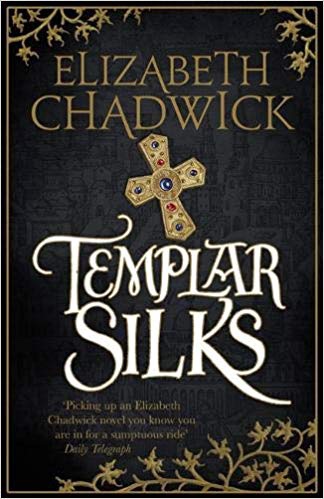
Having discovered Elizabeth Chadwick through her wonderful Eleanor of Aquitaine Trilogy I was delighted to be able to review Templar Silks, due for publication 4th June 2019. Thank you to Sourcebooks for an Advance Reader Copy.

Templar Silks continues the story of William Marshall. Having served loyally as a Knight at the court Henry II, William is reaching the end of his long life. Realising this illness will be his last William knows it is time to fulfil his vow, made long ago in Jerusalem, to become a Templar Monk.

Whilst waiting for his Templar Silks to be delivered to him, William prepares himself for what lies ahead by recalling a lost time; his pilgrimage to the Holy Land to lay the cloak of his Lord, Henry the Young King on Christ’s tomb.

Through his rich and vivid memories, some sensuous, many disturbing Chadwick recreates this incredible and evocative time in history.

What has always struck me about Elizabeth Chadwick’s writing is her amazing eye for detail, and Templar Silks is no exception. At no point does any description feel laboured or over long. Rather such passages are a delight to the readers senses. The opulent Jerusalem Court of the the 1100’s provides the perfect scope for Chadwick to weave her magic. Whether the reader is in the throes of battle or the inner sanctum of a court Mistress, Chadwick is skilled at drawing the reader into the novel. They are able to taste, smell feel their surroundings stepping back hundred of turbulent years in the process.

Moreover the level of detail is testament to just how well researched this novel is. Whilst it is documented that William Marshall did actually spend time in Jerusalem, his actions there are largely unknown, giving the author tremendous creative freedom. Such freedoms within in a historical novel can be both a blessing and a curse. The great challenge is always to stay true to character and importantly period. Through sustained and thorough research Chadwick, as always, pulls it off.

Her portrayal of a life governed by earthly and spiritual duty is rich and colourful. Marshall is portrayed an honourable but flaw man, living in treacherous times.

As with the Eleanor Trilogy there are strong female characters within the novel. Characters that use what power they have to make their own mark in a male dominated and often brutal world. Chadwick is often concerned with love but she is always concerned with power, and how the power balance is constantly and ruthlessly shifting in uncertain times.

Elizabeth Chadwick’s ability to evoke a sense of place is impeccable. She is able to create worlds long gone in vivid detail and she does what only a truly skilled writer’s can. She makes you want to go there. Not just in your minds eye; Chadwick makes you want to pack a bag, maybe hijack a tardis or two and physically experience what you have read about.

That was exactly the experience I had after reading the Eleanor Trilogy a couple of years ago. The Summer Queen, The Autumn Throne and The Winter Crown tell the fascinating story of Eleanor of Aquitaine who was married to both Louis VII of France and Henry II of England. A duchess and ruler in her own right, she was a powerful women in a time when when it was very much the exception rather than the rule. Her second marriage to Henry produced eight children but also saw her incarcerated for her role in the rebellionby her son Henry the Young King against his father.

Chadwick’s description and portrayal of Eleanor as both a Queen and a woman was powerful, and again cleverly drawn sense of place drew me in. It lead to one of those occasions that my family dread but almost (!) always end up thanking me for; one of those occasions when we went in search of history.

Or as my youngest son calls it ‘some random place Mother has read about in a book.’ !

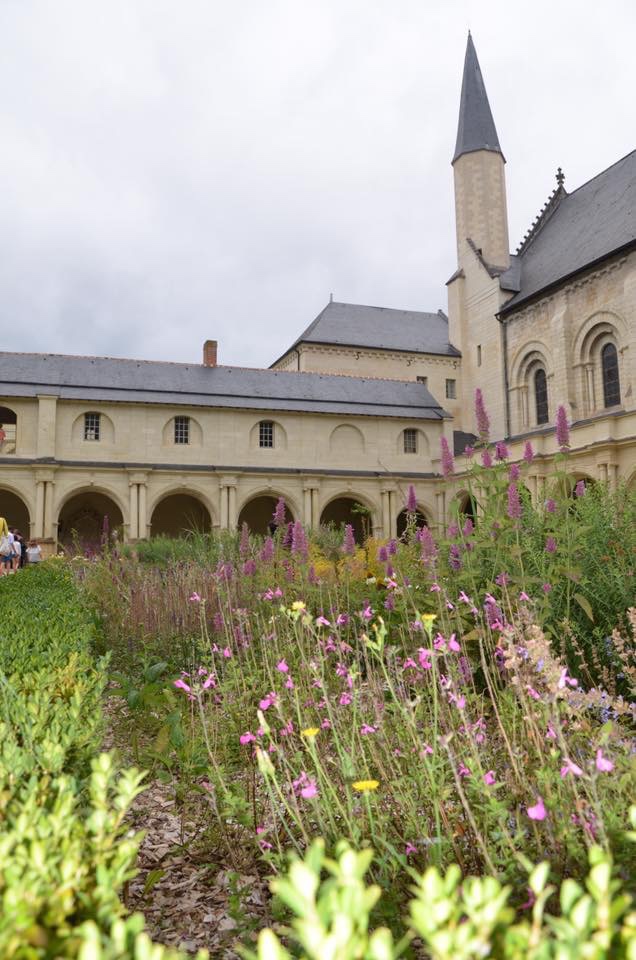
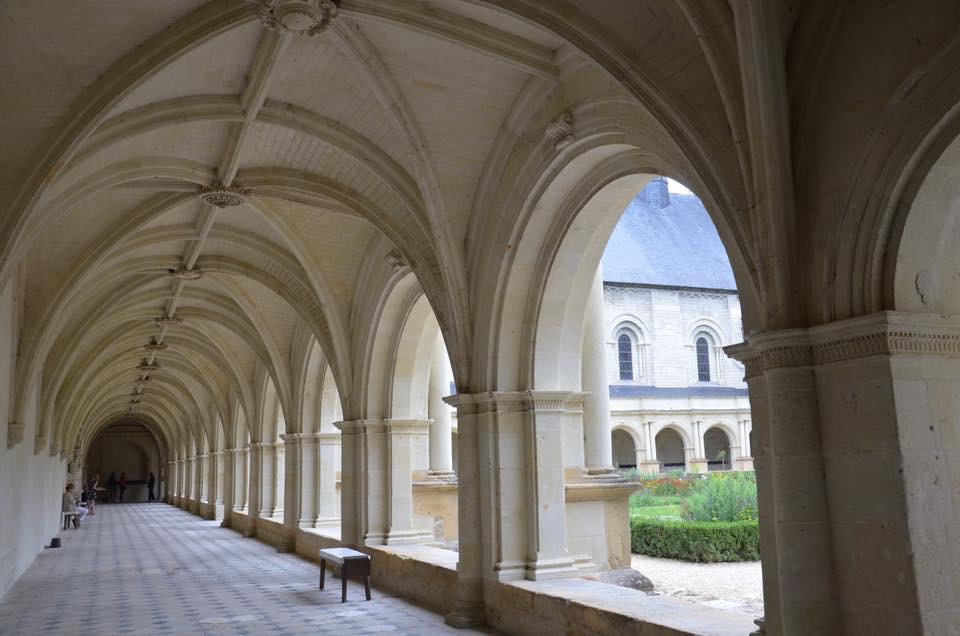
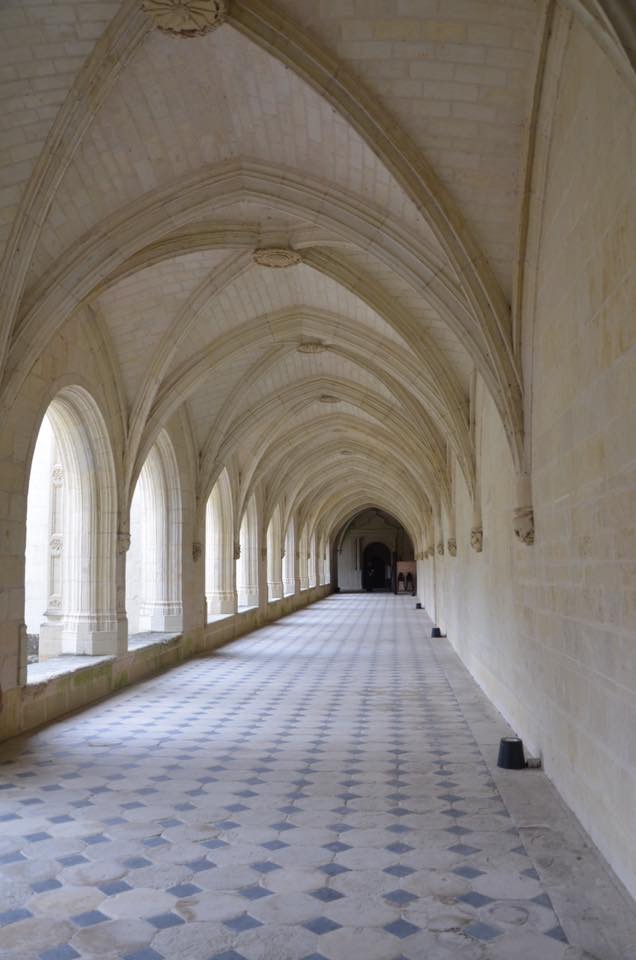
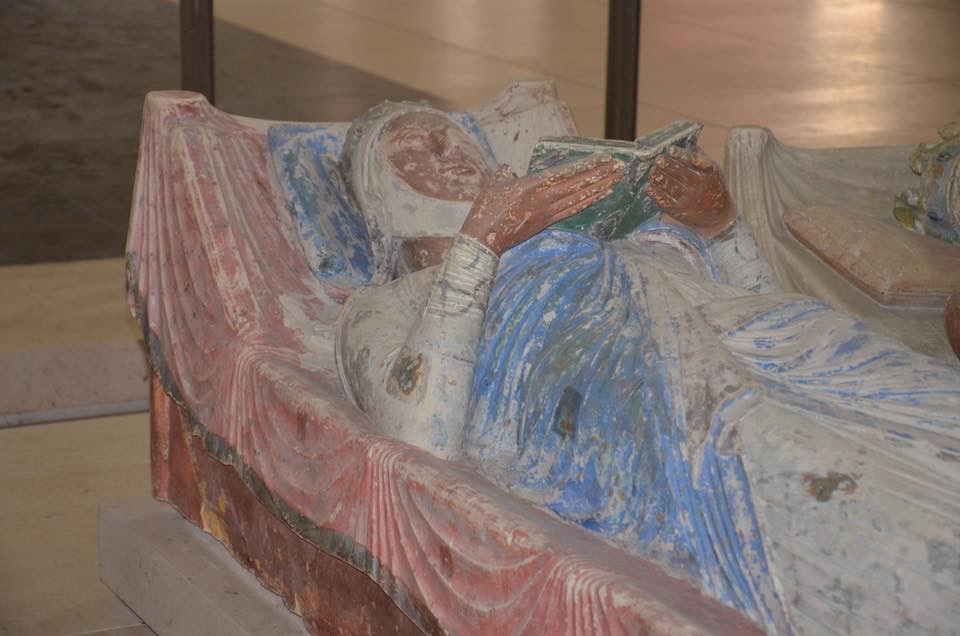
This time the random place in question was Fontevraud Abbey, in the beautiful Loire Valley.

Truly a place of beauty both in setting and architecture, this World Heritage Site was the final resting place of Eleanor. Along with Henry and two of their children, Richard I and Joan, it is believed that their remains were moved or destroyed during the French Revolution. However Eleanor’s beautiful tomb and effigy remain.

Books take you places; cliché it maybe but it’s undeniably true. A good book can transport you to other worlds without you leaving your seat. It take you away, through the pictures it paints in your head. And a great book will paint those pictures and make you want to touch them, smell than and walk amongst them.

So reading Templar Silks I am currently in search of a time machine. Anyone know how I can hitch a lift to Jerusalem in the Middle Ages!!

Books mentioned in this blog:

  • Templar Silks – Elizabeth Chadwick
  • The Summer Queen – Elizabeth Chadwick
  • The Autumn Throne – Elizabeth Chadwick
  • The Winter Crown – Elizabeth Chadwick

Blog Tour Review: This Stolen Life by Jeevani Charika.

Today I am delighted to be participating in my first ever Blog Tour. Many thanks to Tracy Fenton of Compulsive Readers for inviting me along and giving me this opportunity. And a huge thank you and massive congratulations to Jeevani Charika. It has been my absolute pleasure to read and review This Stolen Life.

On to the book…

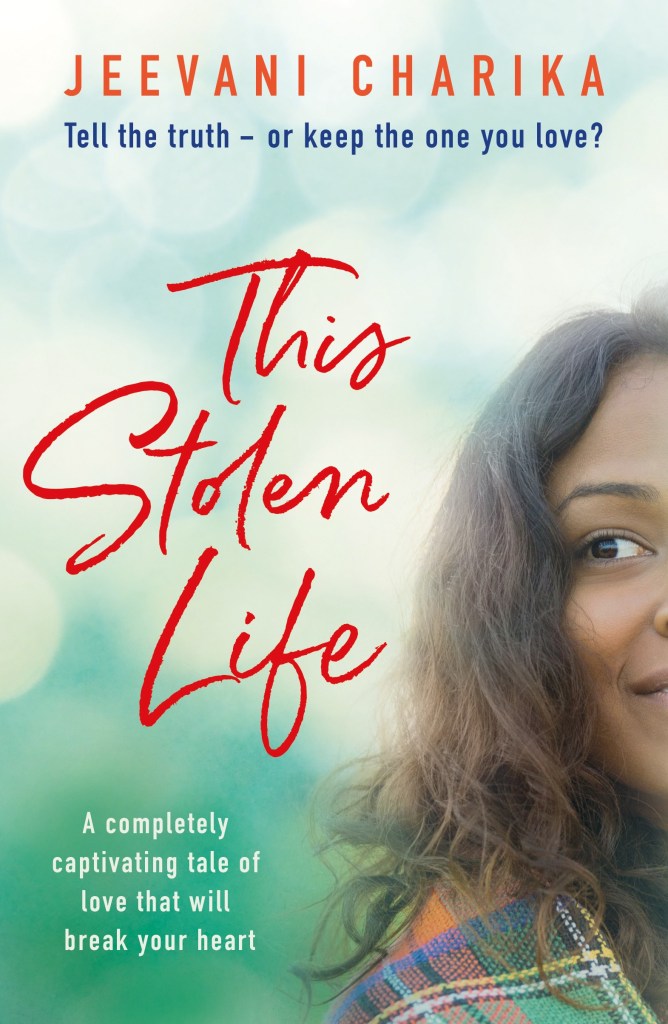
This Stolen Life is a story set across two very different cultures. Beginning in rural Sri Lanka, Jaya is running from an abusive home life. When a chance meeting and a tragic opportunity present themselves, she takes the chance to change her life forever. In the blink of an eye she is on her way to the UK , a new identity and a new life awaiting her.

So Jaya becomes Soma. However she quickly finds that despite a new country, new job and a new name escaping your past and changing your very being isn’t as easy as it seems.

Soma is working in Hull, nannying for a Sri Lankan couple, Yamuna and Bim. Only recently betrothed, within an arranged marriage, this outwardly self assured couple are coping with their own uncertainties and difficulties. A new mother, Yamuna is working through the haze of undiagnosed postnatal depression, whilst long term bachelor Bim is struggling to adjust to family life.

It is through her employers that Soma meets Sahan, nephew of Yamuna. A young, bright undergraduate, Sahan is embroiled in his own journey. Even after three years of living in the UK Sahan finds the cultural differences between his Sri Lanka and his current home difficult to assimilate and come to terms with. Both set adrift in a unfamiliar culture, Soma and Sahan experience an instant attraction which quickly grows into something more. Their’s is a deep and innocent bond, supportive and sustaining but threaten by past secrets and cultural expectations. Soma’s secret is to big to remain concealed, the clock is ticking and can their relationship survive the shock?

What I really enjoyed about this book is how Jeevani Charika explores and portrays the difficulties and complexities faced by those people trying to assimilate a culture that is alien to them. So many of the characters here are on a journey, be that living in a new country, being a new parent, studying or working and they are all trying desperately to fit in.

The balancing act of making your way in a strange world whilst remaining true to yourself and your heritage is skillfully and beautifully portrayed. It is through the innocent eyes of Soma we feel the shock of the English weather, the blandness of food and the utter terror of even stepping outside the front door. It is no accident that the first and most fulfilling bond Soma creates is with her charge, Louie, the infant son of Yamuna and Bim. Here there is no judgement, no social norms to learn and maintain. Within this relationship she can speak her own language and not worrying about maintaining her pretence. It is her sanctuary.

On first reading, the title of the book ,This Stolen Life, seems to related completely to the character and story of Soma. However the more I reflected on this book, the more it appeared that it could equally have applied to many of the novel’s other characters. To some degree many of the character’s lives are constrained by outside pressures. Yamuna is quietly grieving the change that motherhood and marriage have wrought upon her, Sahan is balancing his own desires against those of his parents and their strict cultural expectations. Do any of these characters have the courage to take control of their own destinies and successfully bridge two cultures, and create lives true to themselves in the process?

At first glance this is a simple story, but in reality it is anything but. Charika has woven many complex and relevant issues into her narrative. It is a book to make you stop and think, to reassess and question your own experiences and motivations. I feel it would make a really interesting bookclub read; there is so much to discuss and it is likely to draw a wide range of opinions.

This book is a quiet little gem just waiting to be discovered. A genuine and honest story of self discovery and all that entails. And the fact it was set in Hull, my old University stomping ground and place I meet my future husband, was the icing on a very delicious cake.

Thank you Jeevani Charika, for sharing this book with me and allowing me to review. I hope, like your characters, it gains it wings and flies. It deserves to.

About the author.

Jeevani Charika is a British Sri-Lankan, who also writes under the pen name Rhoda Baxter. She describes herself as a writer of ‘women’s fiction and contemporary romances with a hint of British cynicism.’ Her books have been shortlisted for RoNA awards, the Love Story Awards and the Joan Hessayon Awards. She is a member of the UK Romantic Novelists’ Association and the Society of Authors.

And there is more…

The Blog Tour for This Stolen Life runs until 17th May 2019. Why not check out more reviews of this delightful book?