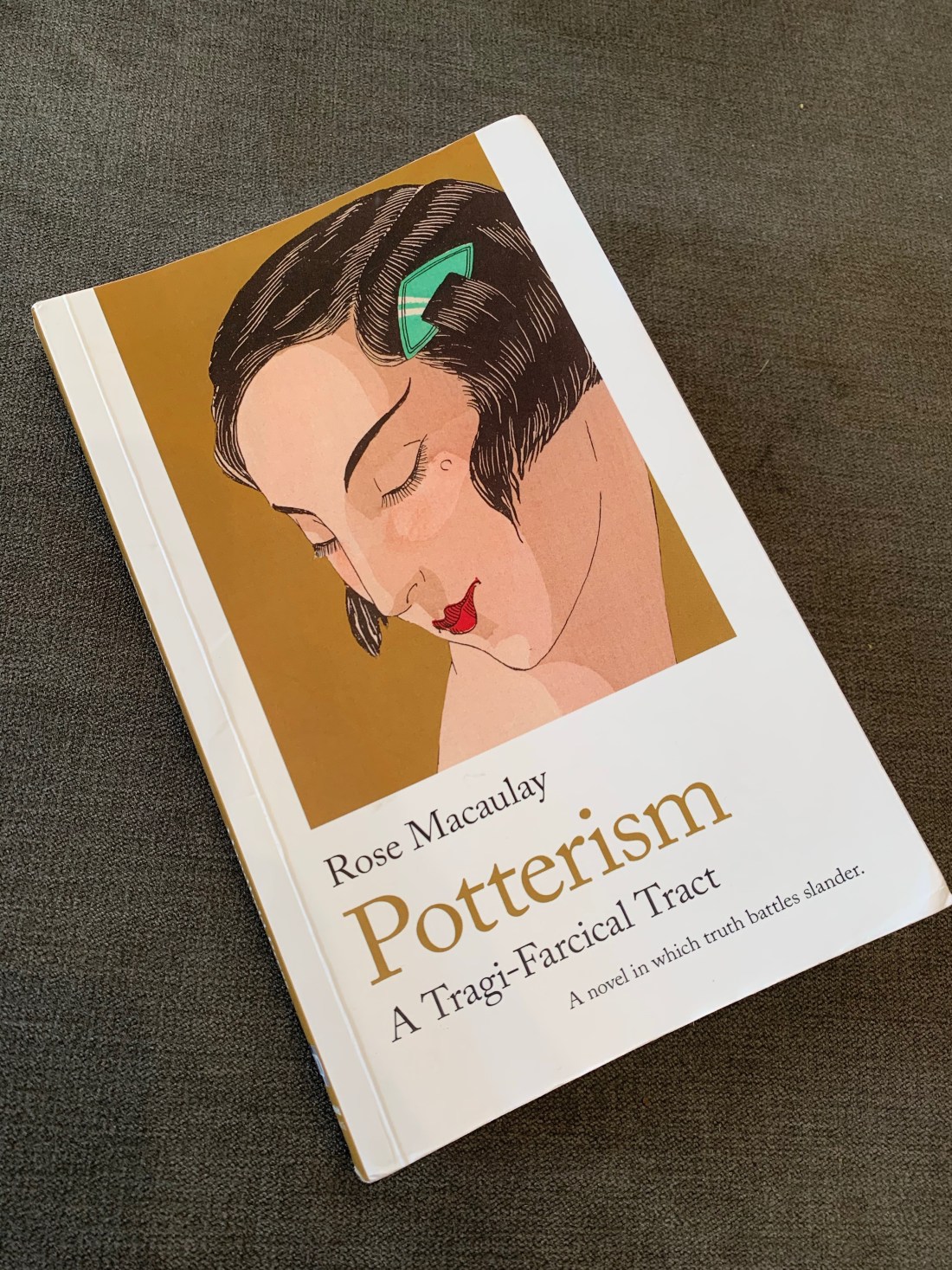
Rose Macaulay – A new discovery.

I love finding ‘new- to- me’ authors. Those gems – and I know there are hundreds of them- that I haven’t discovered. I particularly enjoy finding female authors whose work throughout the 20th Century has slipped out of memory and is now being rediscovered and reprinted.

So when I was sent two works by author Rose Macaulay I was intrigued. I knew nothing about this writer at all. But hearing that she was writing in the early part of the 20th Century my interest was piqued.

On 27th August Handheld Press published Potterism: A Tragi-Farcical Tract, alongside a new collection of Macaulay’s pacifist writings from 1916 to 1945, Non-Combatants and Others: Writings Against War.
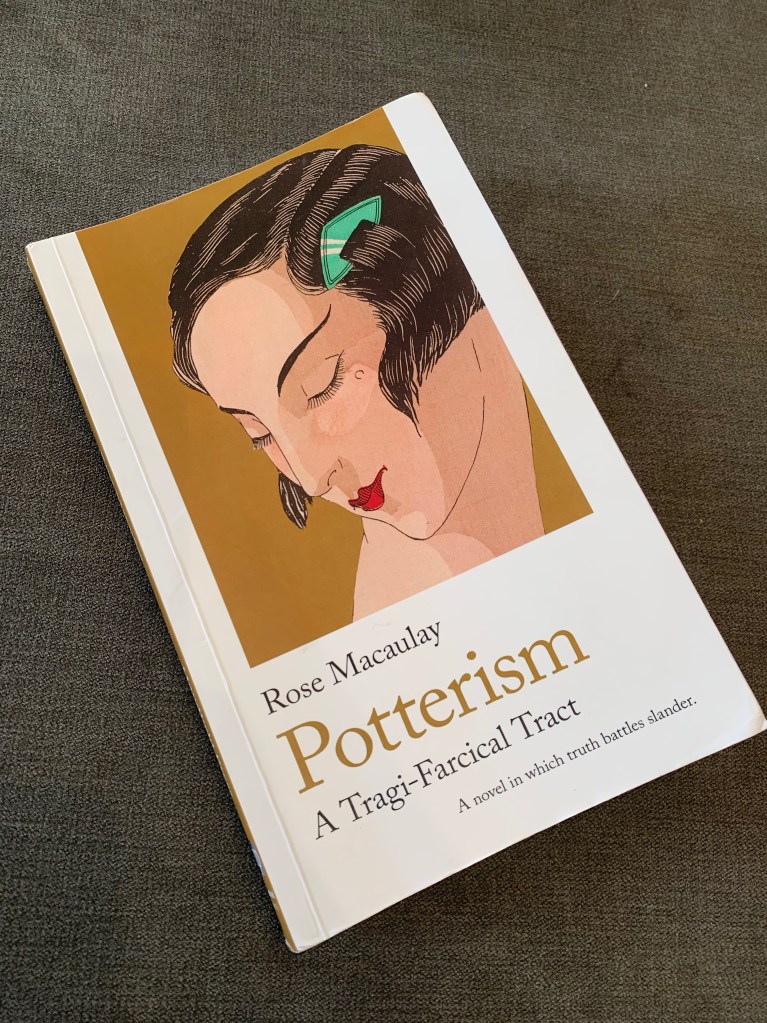
Potterism focuses primarily on the years directly after the First World War and the newspaper empire of the Potter family. It highlights a movement entitled by it’s detractors as ‘Potterism’; a view of the world based on suspicion, fear and the creation of fake news. There are, it has to be said comparisons to be drawn with certain sections of today’s press and political agenda.

Percy Potter, aka Lord Northcliffe is the newspaper magnet and head of the Potter Family. His wife Lelia Yorke is a romantic novelist, entirely caught up in fiction and entertaining the spiritualism so popular towards the end of the war. Her eldest daughter Clare is dull but dutiful, unlike her spirited and intelligent twins Jane and Johnny Potter.

The Twins are both Oxford educated, both take delight in aligning themselves against their parent, alongside the anti- Potter faction. Within this movement we are introduced to Arthur Gideon, devotee of fact and Katherine Varick, pragmatist and scientist. The battles lines of fact and fiction are drawn early on and it is the twins, most specifically Jane that play around their fringes.

The novel is structured in a unique way. The first and final sections are narrated by Rose Macaulay herself. She sets out the characters and ties up the loose ends, but within the central sections she hands both narration and perspective over to her characters. And when a tragedy strikes at the heart of the Potter family it threatens to drag everyone into it’s wake.

Here is a murder mystery, but it is so much more. Wrapped up in the actions and words of this cast of characters is a timely and authentic portrait of the time. There is a simplicity to the writing, a wit that is stark, sharp and revealing. The novel is steeped in the feeling of the age. Tackling subjects such as spiritualism, rise of socialism, emerging changes in class structure, antisemitism and much more, here is a biting social commentary on the press; it’s uses and misuses.

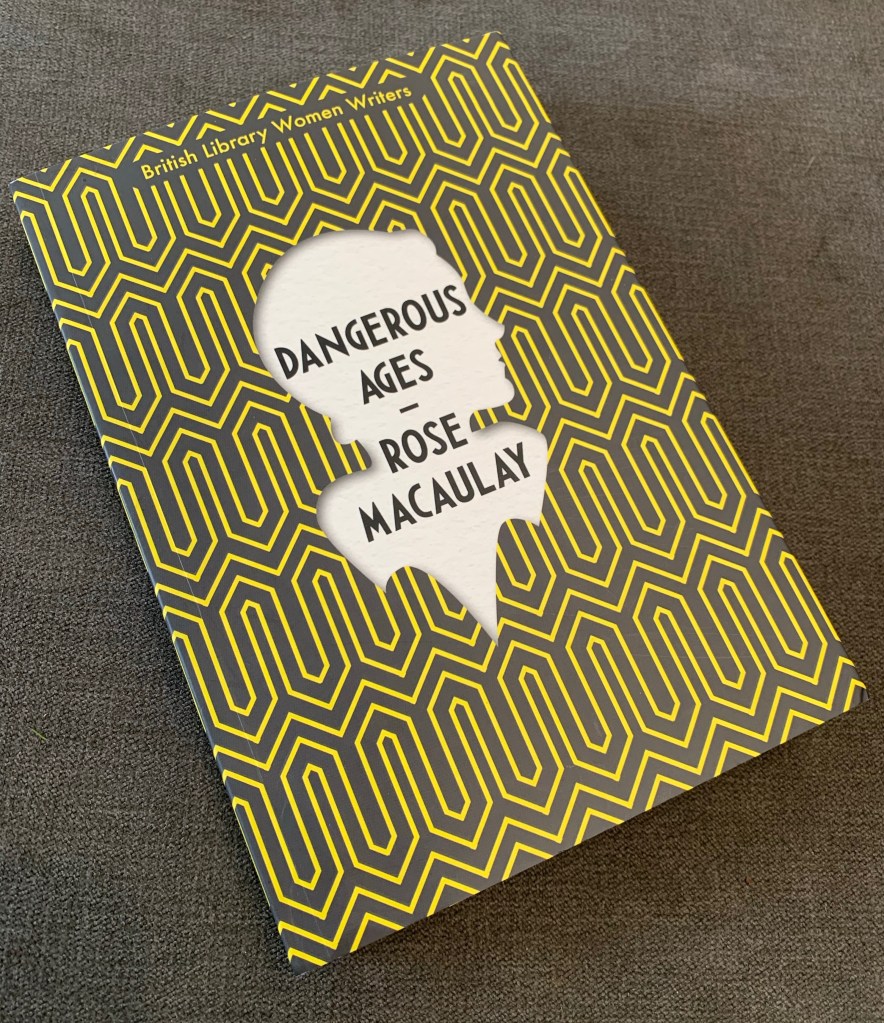
Having never read Macaulay’s work before I am thrilled to see I have a whole back catalogue to get through. First up, and already started (!), is Dangerous Ages published by British Library Publishing, another lovely gifted copy.
I can’t wait to report in!

Rachel x
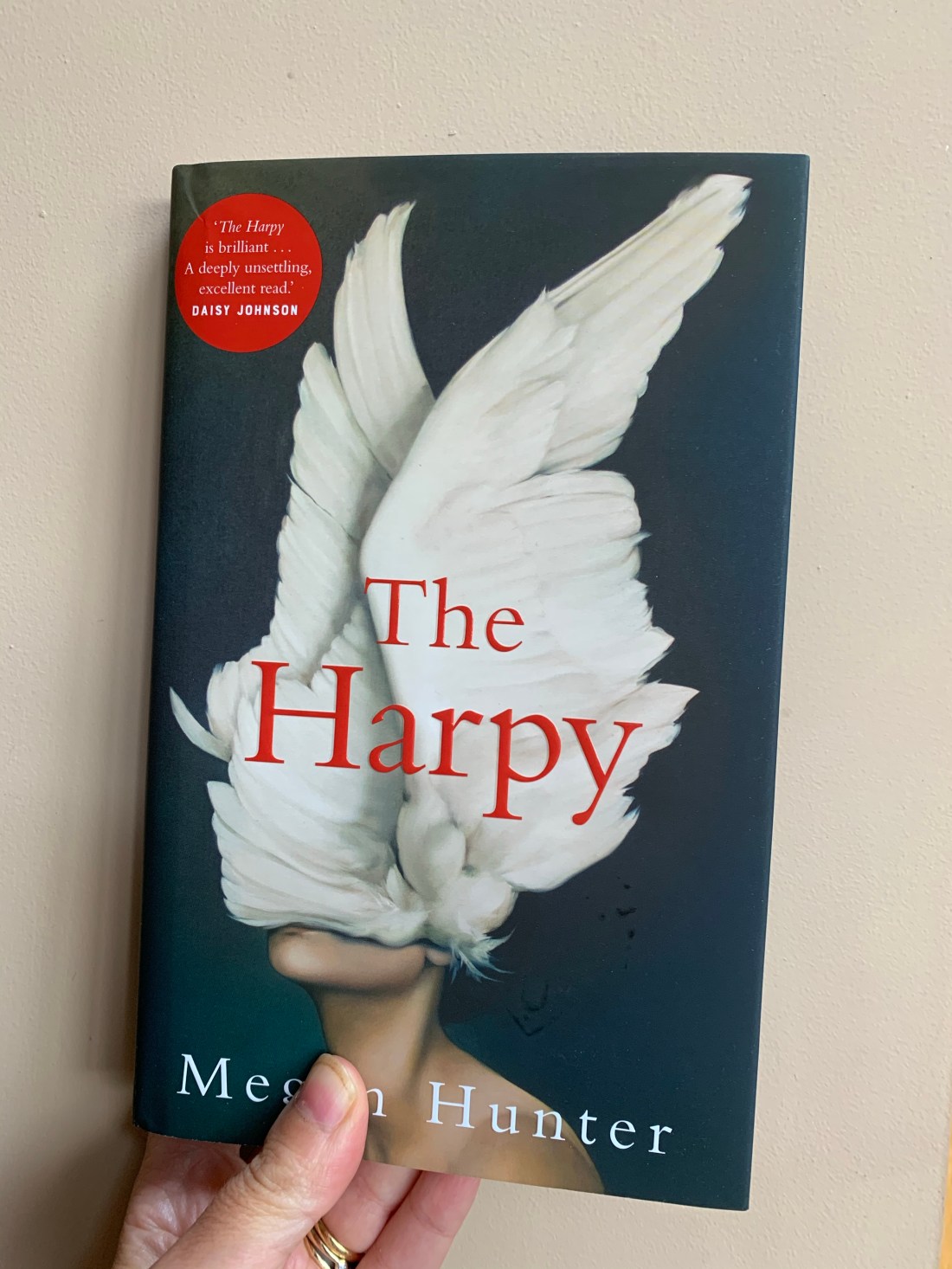
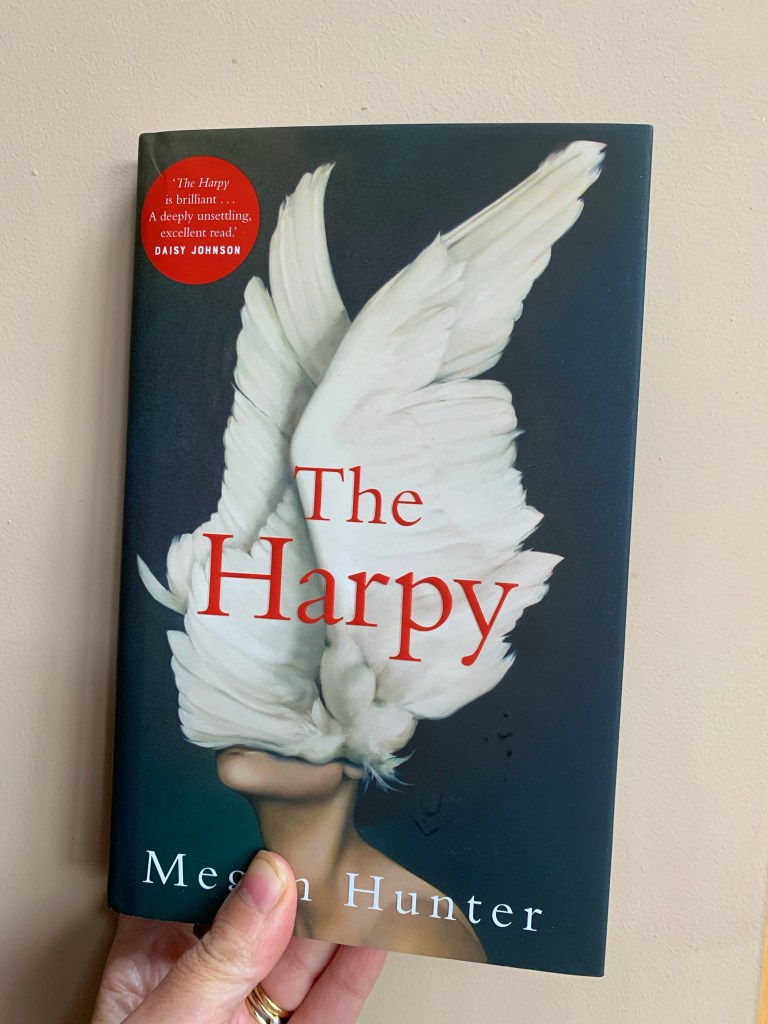
Book Review : The Harpy by Megan Hunter

Well, where to begin!! If I tell you that I practically devoured this book in less that 24 hours on our first journey south since lockdown, pretty much oblivious to everything and everyone around me then you should get a good idea of it’s impact.

The Harpy by Megan Hunter will literally make your heart stop. I suspected when Camilla Elworthy sent me a proof I had a little treasure in my hands, but I couldn’t have imagined how much I would enjoy this book. Originally due for publication by Picador in June, but like so many books, delayed due to ‘the current situation (!)’, until 3rd September, The Harpy is waiting, coiled to blow everyone’s literary socks off this autumn!

It is the story of Lucy. With a degree in Classics, Lucy is now working from home as a part time copy writer. She is committed to her family; husband Jake, who is an academic at the local university and her two young boys Ted and Paddy. She is secure in her relationship , making her marriage and the boy’s childhood work in a way her own parents failed to do.

And then quite suddenly she receives a phone call. The husband of one of Jake’s colleagues phones to tell her that his wife, Vanessa, and her husband have been having an affair. Her world collapses. In shock and disbelief she confronts Jake. He is contrite and offers a way forward; a way to repair their marriage and even the score.

Lucy will hurt Jake three times. He will not know when or how. This will avenge his wrong doing. This is the first echo of the modern day mythology that reverberates through out this book. Suddenly Lucy’s lifelong interest and learning in Classical Mythology is much more than a detail. Woven together with her past childhood experiences of domestic abuse the scene is set for a tale of revenge and power. A tale where actions speak louder than words and nothing can be undone.

Enter the Harpy. A mythical bird-woman, the embodiment of revenge; powerful but dark, feared. She has been Lucy’s obsession in her childhood and through her youth, sparking her interest in Classical literature , sustaining her through dark times. But in her marriage Lucy had found peace, laid the Harpy to rest. But it the Harpy is just sleeping, waiting coiled to renter Lucy’s consciousness and life. To change things. The Harpy is a lynchpin, an idea, a motif that becomes more vivid, more solid as the novel progresses.

The Harpy on some level represents Lucy’s past; her childhood tainted by domestic violence. Like her obsession with the Harpy these memories are lying dormant. When the marriage she has created with Jake starts to fall down her memories resurface. The effect her past experiences have had on her break through and begin to unsettle Lucy. Through his proposal Jake has introduced domestic violence to their relationship. Suddenly this horror is almost sanctioned, and Lucy and the reader are left in a turmoil. The feeling that emotional betrayal has to be physically avenged is accepted within classical mythology, but within a modern marriage? Is this allowed? Does the desire or the need for revenge cancel out the reality of abuse? Have the past examples of Lucy’s own upbringing instilled within her an almost default mechanism? Will she always return to type in a crisis, following the example of her parents? And what cost revenge; not just to Jake but also to Lucy? How does this overwhelming sense of vengeance change her, emotionally and physically?

The Harpy is a modern day myth. It steeped in the feelings of a dark fairytale, bound up with classical mythology. There is a a recurring motif of natural disaster; physical descriptions of bodies, references to like gods or warriors are scattered through the text. Time and again we return to the tension created by forgiveness verses revenge. It is embodied within the characters of both Lucy and David Holmes, the wronged partner of Vanessa. The sense of myth and the blurring of reality increases as the time moves on, moving towards the climax.

The Harpy is fresh, dark and raw. It has a simplicity but also a complexity which is impossible to define. There is so much to digest and discuss in this book. If you are looking for something unique, which will both challenge and entertain, then this my friends is the book for you!

Rachel x

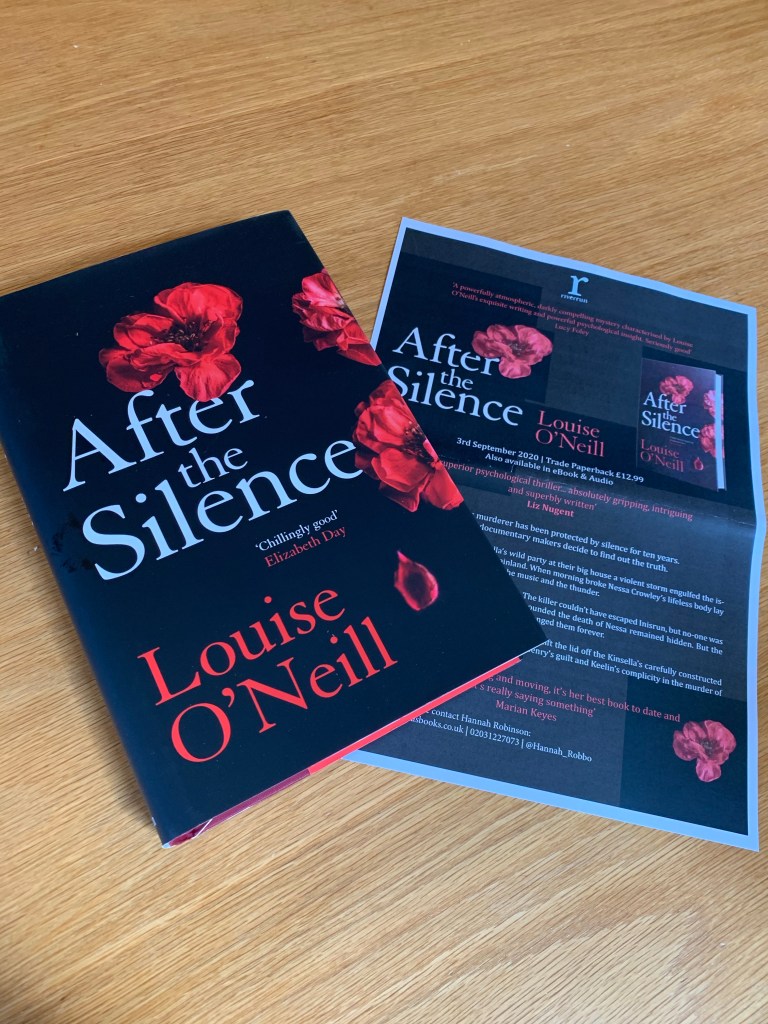
Book review: After The Silence by Louise O’Neill

There are so many books being published on 3rd September. I am hearing about it every day on Twitter, Instagram and throughout the Media. Well bookish people, make sure you keep your eyes peeled for this haunting book. Because After The Silence by Louise O’Neill is definitely going to stand out from the crowd. Huge thanks to Hannah Robinson from Quercus/RiverRun for my gifted copy.

Told within a dual timeline, interspersed with interviews and reflections this is the tantalisingly fragmented story of the unsolved murder of a young woman. Ten years ago Nessa Crowley, one of three beautiful Crowley sisters was found dead. Her body was discovered in the grounds of Henry and Keelin Kinsella’s house, in the aftermath of both a wild party and violent storm. The extreme weather meant the island of Inisrun was cut off, so no escape route for the killer was possible.

Local suspicion fell immediately at the door of Henry Kinsella. And despite no concrete evidence that is where it has remained. Wealthy and popular before the murder the Kinsella’s are now cut dead by the local community. Their daughter Evie is away at school, growing increasingly disconnected by the day. Alex, Keelin’s son from her first abusive marriage has never been the same since that night.

In a bid to restore their fortunes and their reputation Henry has agreed that he and Keelin will cooperate with a new documentary. Australian film makers Noah and Jake arrive on the island determined to find the truth. But reopening old wounds is hard, and it becomes clear that Keelin is existing in a marriage that is far from supportive and loving .

With a backdrop of mystery and murder Louise O’Neill has written a powerful and compelling portrait of a relationship tainted by coercive control. Through the character of Keelin, through Jake’s own family story, through the lives women across the island, Louise O’Neill challenges preconceptions of abuse, detailing and highlighting the many forms abuse can take.

Keelin’s character is a master stroke in turning everything we think we know about abusive relationships on their head. Here is a woman who has escaped one abusive marriage. She has trained as a counsellor. She has worked with domestic violence victims. This could never happen to her again? Could it?

This is a empathic but chilling portrayal of power and control within relationships. It’s challenges and provokes. Perfectly plotted, this is an dark atmospheric novel with important things to say right at it’s very heart.

Rachel x

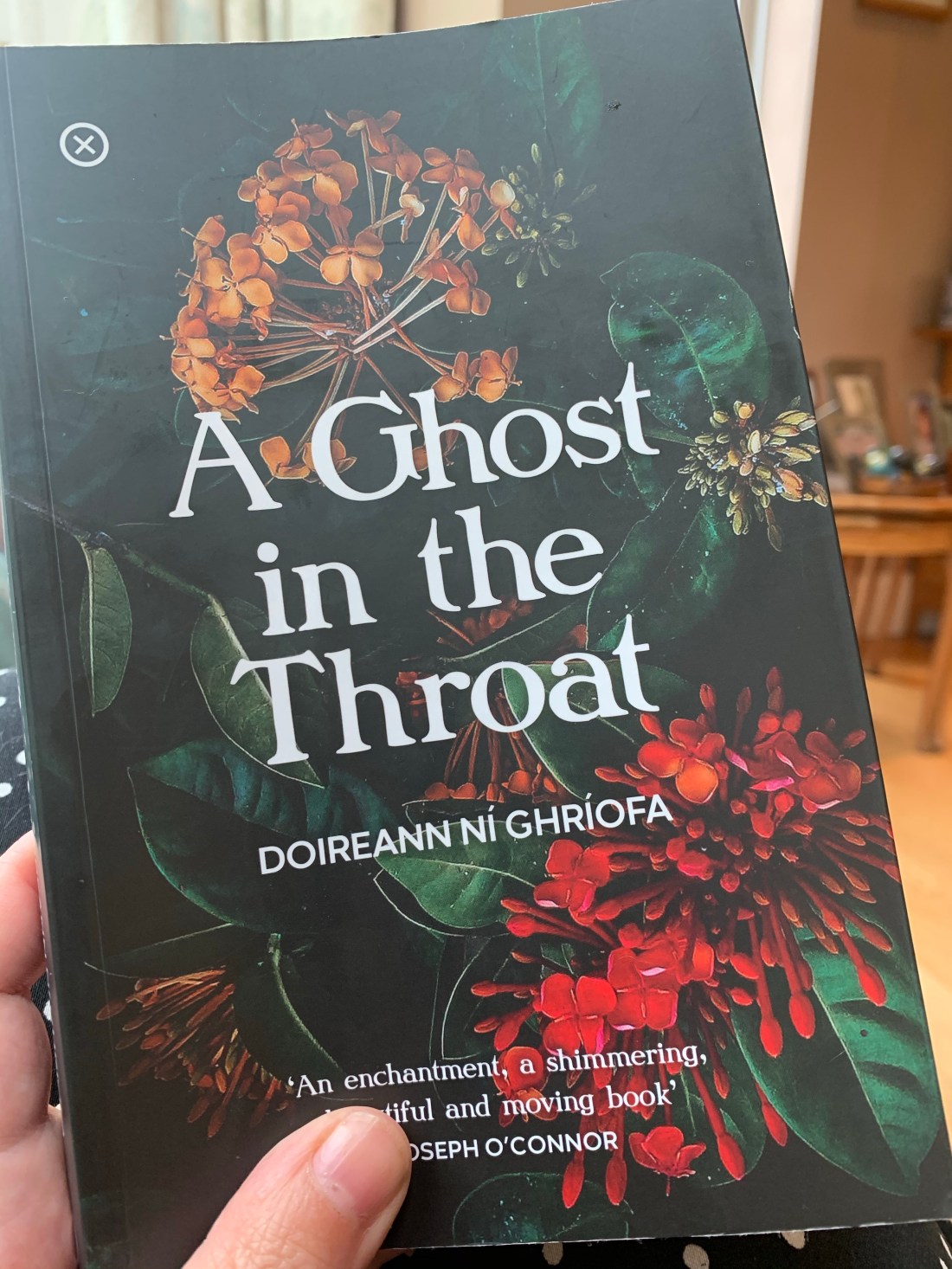
Book Review: A Ghost in The Throat by Doireann Ni Ghriofa

I stumbled across this book quite by accident. I was scrolling through Twitter and a mention of this book, A Ghost in The Throat by Doireann Ni Ghriofa appeared. I bobbed an email across to Ben Williams and a proof was quickly on it way, for which I was and remain most thankful.

Sitting down to read A Ghost in the Throat I had absolutely no idea what to expect. Described as ‘hybrid of essay and autofiction’ this book had piqued my interest, and it wasn’t long before I was under it’s spell.

This is the story of two writers, both creating lyrical works, but living and working centuries apart. The present day author is a mother of 3, then 4 children. Up to her eyes in all the normal, glorious but also bone numbingly exhausting day to day realities that come with small children. Washing, feeding, playing; the constant giving of yourself to the needs and demands of others. Not only does our author give to her own children but she gives to other people’s, through her donations to a breast milk bank, supporting premature babies in local hospitals.

This idea of a woman, a mother giving of herself is key to this work. It underpins and structures what we find here. It makes this modern day mother’s experience a ‘women’s text’. Something personal and unique. It is this concept that bridges the centuries, that pulls these two writers together and intertwines them.

For when our modern day mother narrowly avoids a personal tragedy, one so tied to her experiences as a mother that it is painful to read, her empathy with and dedication to the work of Eibhlín Dubh Ní Chonaill takes hold, grows and becomes all encompassing.

Our author has encountered Caoineadh Airt Uí Laoghaire, the epic love poem written in the 1700’s many times in her life. At different points this poem, a lament of her husband’s murder and her subsequent grief, has meant different things. But now it speaks to her in a personal way, resonating with her core. Suddenly this ancient poem translated and interpreted so many times, is an obsession. In the face of her own personal trauma, her own journey through motherhood and her female experiences this text becomes key.

It strikes our author that this crucial, vibrant poem, the very essence and definition of a women’s text has always been translated and presented by men. And so in stolen moments, squeezed into her own full life of motherhood and writing, she surrounds herself with Eibhlín Dubh Ní Chonaill’s words and begins her own translation. She looks beyond the words on the page. She visits ancients sites, ploughs through archives and letters, on a mission to bring this ancient poet back to life. To tell her story for her sake, to put the spirit of this women right back in her words, to reclaim this epic as a women’s text.

The idea of the woman’s text can not be over stated within this work. Here is a rich and vibrant understanding of the value of a women’s voice. These two stories both have their very roots in the passions, challenges and joys of women’s day to day life. These women have important, beautiful stories to tell. Their beginnings maybe found in the domestic and day to day, but they are no less important for this These stories are a bedrock. They should not be dismissed or over looked. It made me wondered how many tales aren’t told because of the perception that what happens at the hearth isn’t as important and what happens beyond it. How many women’s texts have we lost?

I have read some stunning stuff this summer. Powerful writing, raw and brimming with the voices of women, writing that has channelled, challenged and extended my own thinking and writing and this book is right at the heart of this. I admire and understand this need to give a woman her voice. To discover as much as you can about her and then release her story to the four corners. It is what I am currently trying to do in my own work and it what Doireann Ni Ghriofa has excelled at here.

This is story of what happens when a powerful connection with a piece of literature is formed. When the connection takes root and grows just at the right time and how women can reach out to each other across the ages.

This is everything I love in literature and more.

Rachel x

A Ghost in the Throat by Doireann Ni Ghriofa is published by Tramp Press on 27th August . Preorder here

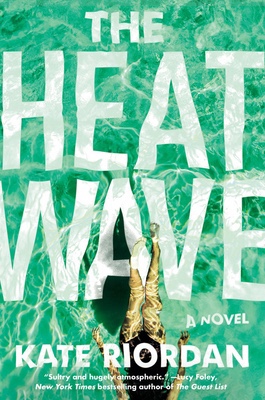
#BlogTour Review: The Heatwave by Kate Riordan

I am starting this review with an immediate and huge thank you to Ella Watkins from Penguin for the invite to join this Blog Tour. And swiftly following it up with the fact that I read, ok, inhaled (!) The Heatwave in under 24 hours! So if you are looking for a book that keeps you spinning the pages and is steeped in intrigue look not further!

The Heatwave follows the story of Sylvie; living in London, she has fled her native France after the tragic loss of her daughter Elodie 10 years ago. Her marriage has broken down but she has rebuilt her life with her younger daughter Emma, now 14.

But at the beginning of the summer an unexpected phone call brings the past into the present. Sylvie’s family home, where Elodie died in mysterious circumstances.the home the family have left empty, needs her attention. There has been a small fire, but it is time the house is sold. So reluctantly Sylvie takes Emma and heads south, to Provence, where an extreme heatwave and hill fires add to an already stressful summer.

Once back in the village Sylvie is unable to escape the past she has kept hidden. Reminders of her marriage and Elodie assail her and it becomes clear that Elodie was no ordinary child. Emma has very little understanding of what happened to her much older sister and the strain of finding a way to tell her youngest daughter the truth behind to tell on Sylvie.

There are whispers in the village about the past and the present, and the mystery’s about what exactly happened to the beautiful but difficult Elodie deepens with each page.

The story unfolds slowly. Told using a dual timeframe the plotting is pitch perfect. Flashbacks to Elodie’s childhood show Sylvie as a young mother, often left alone as her husband Greg travels lbuilding his antiques business. And she is left with Elodie; a child unlike any other. Elodie is self contained, beautiful and manipulative, and it is Sylvie who she unsettles the most.

As the incidents of strange and disturbing behaviour stack up Sylvie is left fighting her husband, desperate to make him accept their daughter is not like other children. Desperate to avoid the inevitable.

The level of tension within this book is delicious! From the outset you know that there is a hidden tragedy. As readers we have some sketchy details, but just the merest of outlines, and like Emma, the reader is trying to fill in the blanks.

The juxtaposition of the past and present tantalises and teases, adding just enough detail but pulling away just when you think you are almost there! There are twists and turns on the way to the truth and the intensity of the heat, the building distant fires, add to the sense of tension. Here is a sense of the reader racing to the truth before it’s too late.

This is a novel about close relationships, especially that unique bond between mothers and daughters. There is a sense in this novel of strong women. Women who are perceptive, who understand their children in a way that others don’t. This novel explores what happens when the mother/child bond is tested. What happens when a child is not as the rest of the world perceives? When a mother is pulled in two directions, both by the desire to protect her daughter but also by the fear of what she might do?

This book is a delight. It is a book to lose yourself in. I sat down to read it on a windswept, rain soaked Cumbrian day and was immediately transported to sun bleached Provence. The details are evocative, heady and disturbing. You aren’t just reading this story, you are living it. And it is all the more powerful for that.

And there is more…

For more reactions and reviews check out the rest of the Heatwave blog tour. Details below…

Rachel x

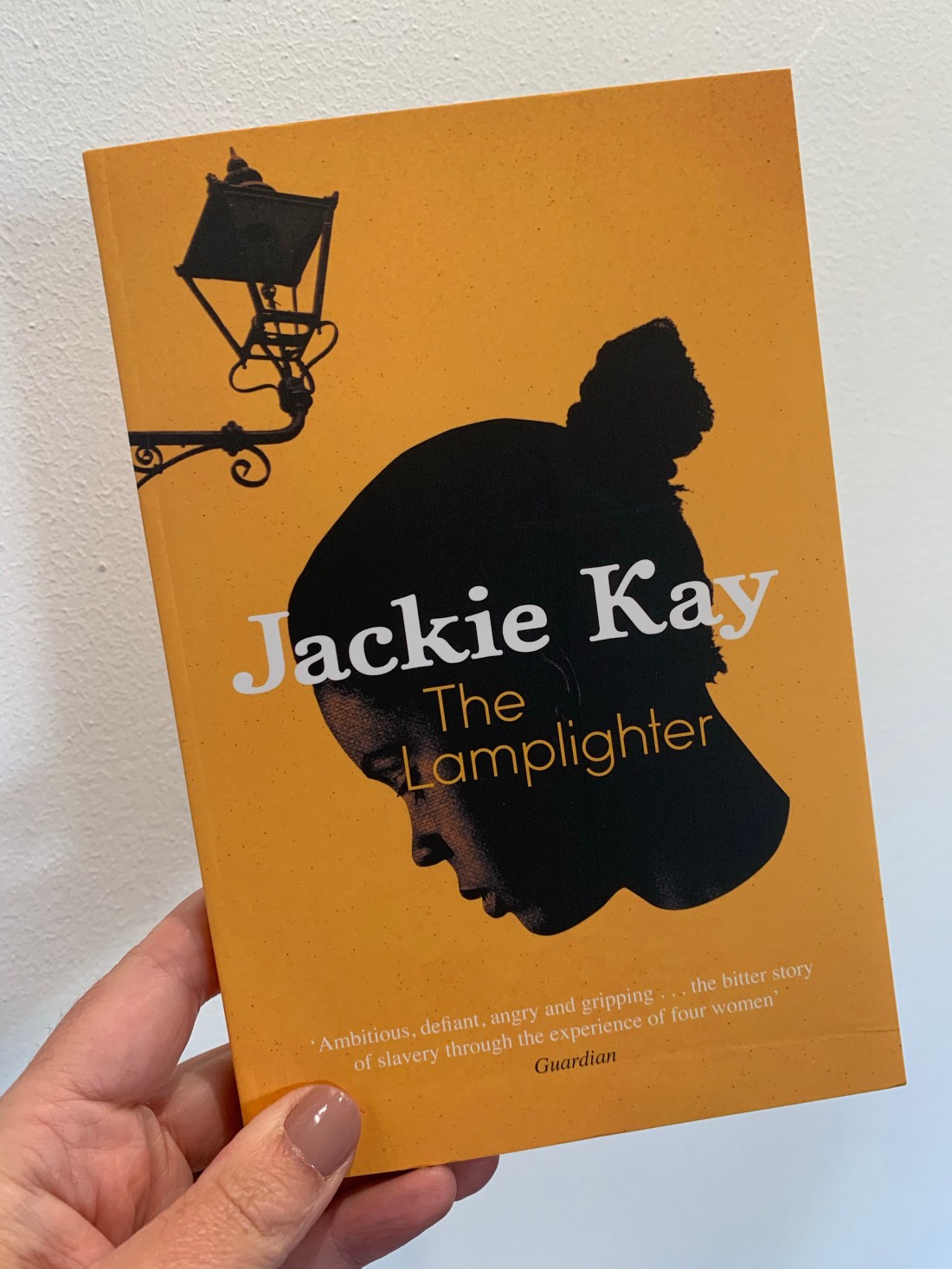
Book Review: The Lamplighter By Jackie Kay

I have admired Jackie Kay‘s work for a long time. Ever since I found Trumpet tucked away on my Mother-in-Laws shelves one summer. Jackie Kay can weave magic with words, in what every form she chooses. So I was genuinely thrilled when Camilla Elworthy sent me a gifted copy of The Lamplighter.

I have sat for an age trying to start this review. There seems to be no catchy or clever way that feels appropriate to open a discussion of a work such as this. I am left with the slightly uneasy feeling that I using use words as ‘important’ and ‘heartbreaking’ will feel trite and insignificant, and that they are words I have over used in the past. This is a book that has truth at it’s core, and a beauty and darkness I fear I don’t have words to convey.

The Lamplighter is the story of slavery, portrayed in a work that reads as a lyrical, mesmerising poem and has been performed both as radio and stage plays. Taking the stories of 5 slaves; four women and one man, here is presented the story of the slave trade. Through a fragmented and tortured narrative we move from the slave forts in Africa, to the slave ships, to Britain and finally the plantations. Through each stage we follow their story.

With a unique rhythm and song, the stark realities of the slave trade and most importantly it’s legacy are presented. This is a collective chorus of loss, shared experiences and histories, there is a sense of one terrifying, appalling, overwhelming story. And yet it is compiled and defined by individual tales.

The power of the collective chorus does not diminish Aniwaa’s experiences as an 11 year, ripped from her family, alone and frightened in a slave pit. Or Mary’s beatings. Or Black Harriot’s life of selling her body to only half survive. These stories, presented as part of a larger whole are a powerful and dark swelling song.

There is a consistent sense of fragmentation to be found here a nonlinear narrative that is allowed to repeat in a dark cycle. The refrain often repeated; ‘I remember, I forget’ gets to the heart of the message. This is the story of not just the past, but how slavery has and continues to affect society today.

Here is the legacy of slavery. From the smell of the slave ships, two days out of dock, to the wealth this trade created, Jackie Kay places this legacy firmly on British soil. Heralded by list of transactions and place names, descriptions of slave markets in Bristol, Liverpool or Glasgow; there is no escaping the fact that this is a British legacy. It is part of the fabric on which our society is built. The wealth it created are the shoulders on which our civilisation, ( and you will question that word, I guarantee) has risen . We could pull down a hundred statues and we won’t change that history. That we can’t alter this legacy is indisputable, but we must acknowledge it, own it and learn from it.

Is this an easy read? Or course it’s not. Is it essential? Absolutely.

Jackie Kay, thank you.

Rachel x

The Lamplighter by Jackie Kay is available now, published by Picador

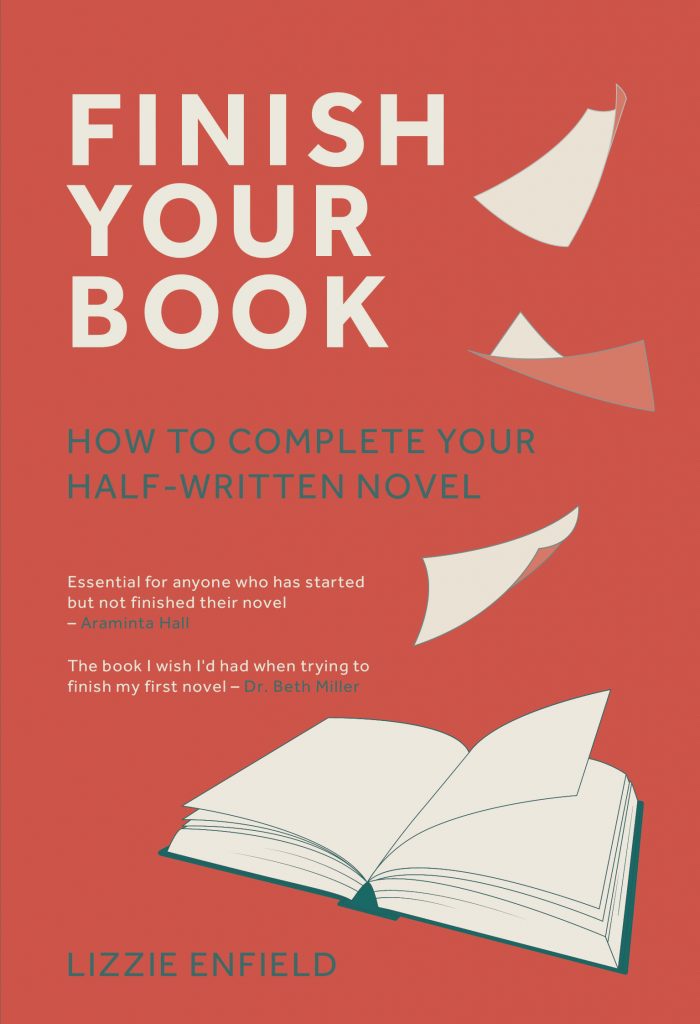
Finish Your Book by Lizzie Enfield – A very personal response!!

When Emma Dowson brought to my attention a book entitled Finish Your Book : How to finish your half written novel, my interest was instantly piqued.

Now to say that I have a half written novel would be pushing it. But I am trying to write a story that is close to my heart and has haunted me for a number of years. But it’s hard! I know this sounds like stating the bleeding obvious, and should any ‘proper’ authors stumble across this they will roll their eyes and grind their teeth!! Because simple the fact is so many people have ambitions to write but so few of us achieve it!!

So when I had the chance to read and review Lizzie’s book this felt think a perfect opportunity to see if my dream was a something I could achieve or just a fantasy. At this point I want to pop up with a slight apology; as much as I don’t want this review to be about me banging on about it my own attempts at writing, this book by nature will speak to different people in different ways. Everyone who reads it will see themselves at different stages, so any response is going to be personal, and I am afraid that mine is no different.

Finish Your Book gives you to the point advice about writing. It acknowledges that it is hard but encourages the would be writer to play with the process a little. Whilst there is a key and obvious emphasis on getting the essential elements of structure right; a solid beginning, middle and end, Lizzie introduces the idea of writing in a way that isn’t linear.

She suggests, for example, that if a writer is struggling with a scene, they might want to try writing another, one that is more vivid in their heads. This might reignite the spark of creativity, maybe even take the writer in a different direction or tell them something about their own characters that they hadn’t realised.

For me this was a wonderful moment! Because it is how I instinctively write. My story, partly based in fact, set in the First World War, has some very key vivid scenes which have always been in my head. After literally years of trying to write this story I always found the beginning was too shadowy and out of reach. So I started in the middle, with a pivotal scene that has always been fresh in my mind. But I constantly felt uneasy about this. I didn’t think it was what ‘proper’ writers did, somehow I felt a bit of a fraud. After reading Lizzie’s advice I felt justified and also empowered to carry on.

Another element of the book which really spoke to me was research! Writing a book set in a different time period enviably throws up all kinds of potential pitfalls. I know a reasonable amount about life in the Trenches, but my setting is more domestic, more rural, and I want to get it right. But I have fallen down the ‘research rabbit hole’ I literally have notebooks full of information about time, place and events but very little in comparison on paper. Lizzie again has sound advice; do enough research to get you going and look things up as you go along. Research should be an aid to your writing, not a barrier. Or in my case I suspect, something to hide behind!

Writing improves with practice, something that is often stated but something I all too often forget. Trying to carve out writing time each day is hard, but as Lizzie points out rarely impossible. She points out that even if you write 100 words a day, you keep your literary muscles flexed and maintain a focus. Any writing, she suggests, is better than none. If the body of your story is eluding you, take yourself off in a different direction. Write a short story, take your characters and write a short profile, or even blog. From my own point of view I know that since I have been blogging I have found writing is more of a priority in my life. It has given me chance to connect with so many other likeminded people and get some immediate feedback on my own writing and opinions. And it does put fire in my belly and make me want to create some original fiction of my own.

And reading and analysing other authors is something that Lizzie identifies as crucial to a good writer. Absorbing the work of others helps to us to understand how a well structured novel flows, to identify and take apart the creation of believable characters, to establish a sense of place and time. We learn by doing but we also learn by example.

Sharing your work I find is a really tricky step. Sharing my blog posts are one thing but actually sharing something entirely original and of my own making is another. I have begun to make some tentative steps towards this. Recently a lovely author, Katy Darby, as part of the Day of Kindness initiative, read and critiqued some of my work. She was supportive, helpful and honest. And Lizzie is quite clear we need more of this. She is a huge advocate of writing groups and writing buddies. The hunt is now on!

There is so much sound and useful advice to be found here, in what is a relatively slim volume. This review has certainly only scratched the surface . Lizzie Enfield has created a guide that can be referred to at any stage of the writing process but is particularly useful when you feel the pace begin to slow and the impetus start to fade. Highly recommended!

Rachel x

An Unexpected Book Review: Small Pleasures by Clare Chambers

I wasn’t going to review this book. I had every intention of reading, enjoying but not putting pen to paper. But, lovely bookish people, Small Pleasures by Clare Chambers is just too good a book to pass by without a review to wish it well and tell everyone what a gem it is.

Not that this book published last month by W & N needs any help from little old me. This book has been praised by greater voices than mine and there is an all around buzz about it’s brilliance pretty much everywhere you look.

At the heart of this novel is a strange tale, based in truth. Jean Swinney is a journalist working on the local paper, approaching forty, she is leading a sheltered, some might say half life, with her difficult mother. When the paper runs a short, almost hidden article, on a study regarding parthenogenesis in mammals, in layman’s terms ‘virgin births’, Jean’s working and then personal life is transformed.

The article prompts a letter from a local woman, Gretchen Tilbury who claims that her daughter, Margaret, is the result of such a process and she is willing to give the newspaper more details. Jean is duly dispatched to meet Gretchen and discover more about her extraordinary claim. According to Gretchen her pregnancy was a complete surprise and she is convinced that Margaret was conceived whilst she was a young patient in a closed ward. During this time Gretchen in her late teens was being treated for rheumatoid arthritis. The ward was strict, partially run by nuns and the girls were never left unsupervised. Hence her belief in an immaculate conception.

So Jean begins an association with Gretchen that begins on professional terms; accompanying her to medical investigations and interviewing former acquaintances, all to aiming to collaborate her strange story. But quickly this develops into a more personal relationship, as Jean is welcomed into the Tilbury family, not only by Gretchen but also her intriguing daughter Margaret and her intelligent and unassuming husband, Howard.

Howard fully supports his wife and having married her when Margaret was a baby, has raised the child as his own. On the surface this family seem to live an suburban dream, but as Jean gets to know them and her relationship with each family member deepens in unique ways, she is aware that all is not quite as it seems. But despite this her new friendships are providing a welcome respite from her stifling relationship with her mother and a break from her routine.

This is a novel that absolutely draws you and then won’t let go. The characters are beguiling and intriguing, particularly those of Jean and Howard. I immediately had a real sense of investment in the characters which meant I cared, quite intently, about what happened to them in the future and what had happened to them in the past. Because all these characters have a backstory and this is crucial to the layers and direction of this story.

There is so much to be considered and discussed in this novel. There is, for example, the age old ‘problem’ of the spinster; women like Jean who are intelligent, have much to offer but are trapped within duty and obligation, looking after older relatives because society and circumstance have dictated their fate. Equally as continually the novel explores the sense of self in a relationship, and asks what level of sacrifice can one person make for another before a denial of individual feelings and needs becomes intolerable. Each of these characters and their situations provide depth and heart to the plot and it’s conclusion.

The sense of place in this novel is stunning. It is set in 1957 and the atmosphere of the writing perfectly conveys the period detail of this time. It is rare to encounter a novel which so beautifully immerses you into it’s time period, so completely that you feel you have time travelled, but that is exactly what Clare Chambers achieves here. After reading Small Pleasures I experienced that delicious book feeling of ‘coming up for air’. That feeling you get when you have been completely taken over by a narrative and you don’t want to leave the characters and the setting behind. For someone who gets twitchy if she doesn’t have a book ‘on the go’ at all times, I found it impossible to bounce on to the next book. I needed time to peel myself away from these characters and their stories and to come to terms with what I had read. In short I missed this book, and I still miss it now.

I am not sure I have managed to convey in this short review even half of what I loved about this book. It was a beautiful surprise to me to find it so beguiling and complete. If what I have written here encourages just one more person to pick it up and become lost within it’s pages then my work here is done.

Rachel x

#BlogTourReview: Below The Big Blue Sky – Anna McPartlin

Oh my goodness! Rabbit Hayes! I am coming completely clean now; I had never met or even heard of Rabbit Hayes before the blog tour invite for Below The Big Blue Sky ( thank you Tracy Fenton!) popped up in my inbox. I loved the sound of the story so much I signed up without a clue that there was a prequel, The Last Days of Rabbit Hayes. A prequel that had completely past me by. But, hey, no matter this meant I got two for the price of one.

So what do you need to know? Well Below The Big Blue Sky by Anna McPartlin, like it’s predecessor is written with heart, humour and compassion. This book picks up where the first left off. We find the quirky, close knit Hayes family in a hospice immediately after the death, from breast cancer, of their beloved Rabbit. Rabbit is, or was, a journalist; but most importantly she was a mother, daughter, sister and friend. A fiery, fighter of a 30-something woman taken before her time and kicking cancer’s sorry ass right until the end.

If The last days of Rabbit Hayes is about coming to terms with Rabbit’s diagnosis, Below the Big Blue Sky is about how the Hayes family begin to cope with life without Rabbit. And it isn’t easy.

For Juliet, life without her mother is numbing. She is now the ward of her Uncle Dave, and this means moving away from Dublin and starting a new life in the United States, a life that fits around Davey’s commitments as a touring drummer. And for Davey himself, grieving his baby sister while parenting a teenager, stretches him to the limit.

Grace is coming to terms not only with Rabbit’s death but also with the fact that she, herself, carries the gene which killed her sister. The decisions that come with this revelation are not to be taken lightly and become a source of family tension.

Losing their daughter rocks the marriage of Jack and Molly Hayes. Both seem changed beyond measure, faith is no longer the bedrock it was and suddenly everything seems to be spiralling out of control.

And what of Rabbit’s best friend Marjorie? Suddenly she is facing huge life changes and chances but without her sounding board and support at her side.

This is a novel that deals with those strange and disorienting days after a death. A novel that faces down the immediate practicalities and the lingering, roaring pain. It details the way a family comes together and equally the way it sometimes fragments as the individual members find their own pathways through their loss. Anna McPartlin creates stunning characters, that convey quite beautifully how unique grief is. And how loss and pain manifests itself in any number of different ways.

This is a novel that focuses on the process of grieving and coming to terms with loss. It is about the things someone will compromise on and the things that really matter. It is about that balancing act of bringing everyone’s beliefs and opinions into play, whilst holding on to the essence of the person who is lost. This novel deals with death in a warm, human and deeply humorous way. The narrative raises all those tricky, but important questions. In a society where we speak of death in whispers and veiled words this book faces things head on. Yes, there is tragedy, but this novel is filled to the brim with humour and humility.


Anna McPartlin’s screen writer background is wonderfully apparent in the novel; the dialogue in these pages is absolutely spot on. These are characters you can see, feel and almost touch. Having read the two novels back to back I felt like I had spent days in the arms of the Hayes family and it was a lovely place to be. And just as the sense of character is grounding, the sense of place, history, back story is equally impressive.

This is the story of family tested to it’s limits. A family that has to refine itself and at the same time remember just what it is that makes them strong and unique.

And always …

#RememberRabbitHayes

Rachel x

And there is more…

Catch up with the rest of the Below The Big Blue Sky Blog Tour…

Monthly Wrap up time again! Bye, bye July!

Every month I seem to be starting these posts with ‘It’s been a cracking reading month’… Well guess what? Welcome to Groundhog Day! So much good stuff this month!

I have discovered new authors, revisited old favourites, flirted with and got a weeny bit annoyed with the Booker Prize long list, made progress with and shamelessly cheated on my #20BooksOfSummer list and just generally read fabulous books. So without further ado, here goes July’s wrap up!

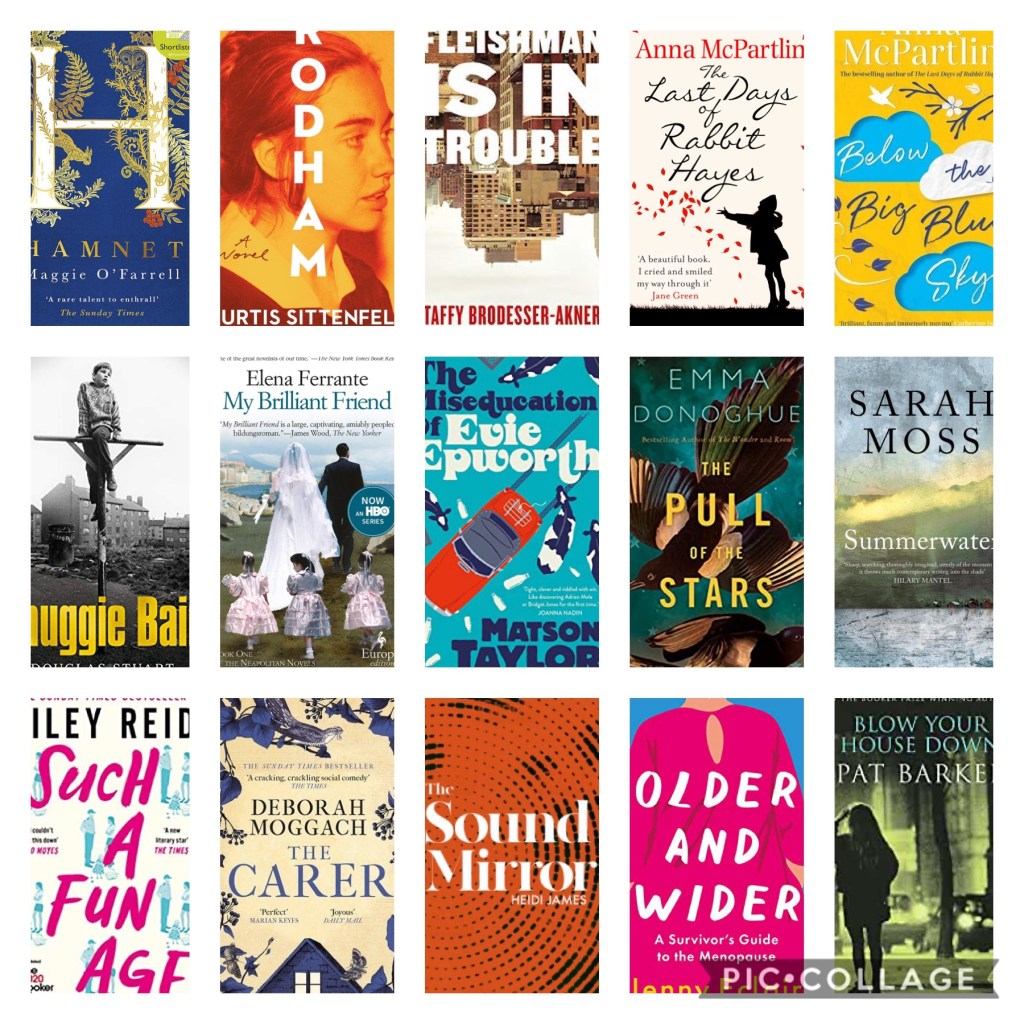
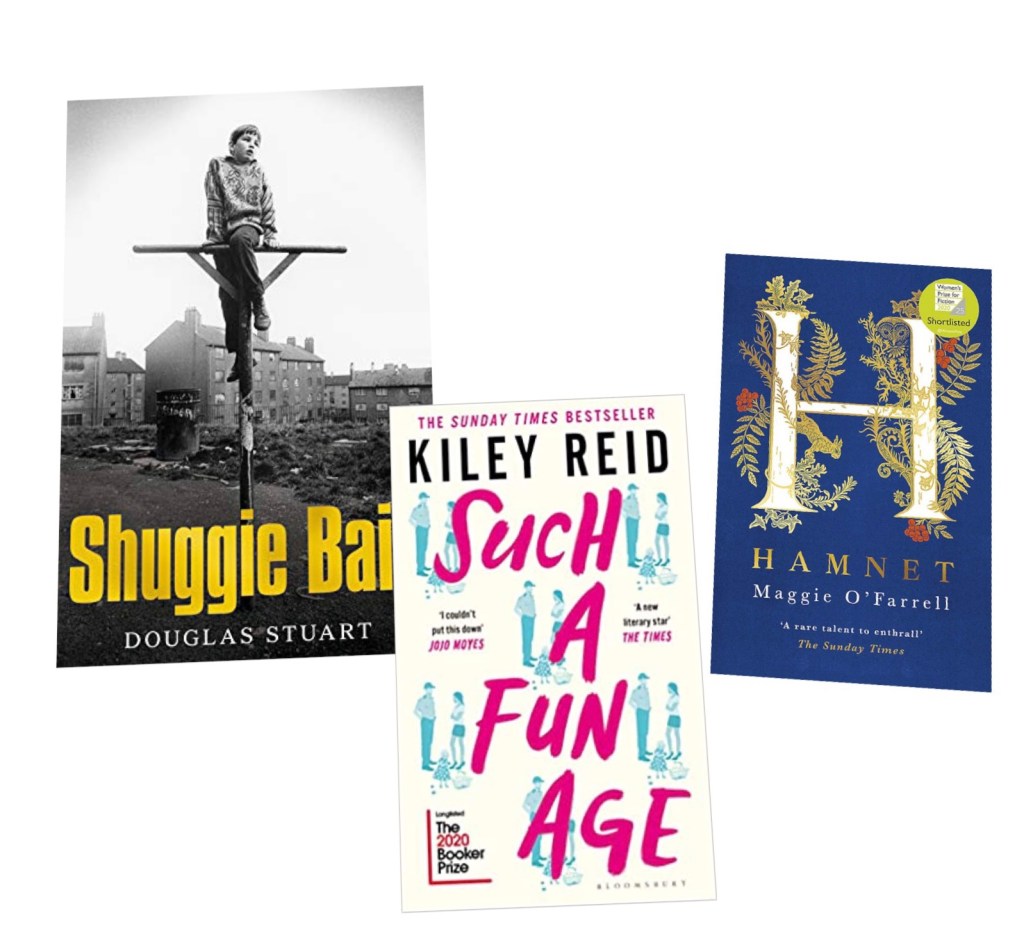
And let’s begin with the Booker Prize shall we? And let’s get the gripe out of the way first. Now, rarely do I gripe on the blog, in fact as many of you know, I received an unsolicited DM on Twitter this month complaining that I never write negative reviews. But today I am making a weeny exception to the rule. Because as exciting as the Booker long list looks, it is, in my humble opinion, and it seems quite a lot of Bookish Twitter agree, flawed. Put simply, WHERE IS HAMNET????? Maggie O’Farrell’s masterpiece deserves it’s place on this list, it is nothing short of stunning. Madness rules in my opinion!!! And if that is your opinion too, do me a favour and nominate this work of genius for The Guardian’s Not The Booker Prize, but be quick nominations close just before midnight tonight, 1st August 2020.

That moan out the way the long list does contain some fabulous stuff. In terms of The Booker Prize and my own reading, I have neatly ended this month with Kiley Reid’s Such a Fun Age, which I enjoyed and been wholly transported to Glasgow of the 1980’s by the beautiful and heartbreaking Shuggie Bain by Douglas Stuart. Since finishing this book I haven’t stopped tweeting and talking about it. It is incredible, and if you missed my review you can find it here.

I started this month with reading a couple of cracking books for blog tours. I was thrilled to be asked to read and review Rodham by Curtis Sittenfeld. She is such a versatile author and with the US elections fast approaching, (grab some popcorn ladies and gents!) this felt like a timely read.

I followed that up with thought provoking Fleishman is in Trouble by Taffy Brodesser-Akner. Sharp, insightful and full to the brim with ideas, I can certainly see why this one made the Women’s Prize Long list. It would, I think, make a wonderful book club book.

Talking of book club reads they have accounted for two of my titles his month. Firstly My Brilliant Friend by Elena Ferrante, which I know has a special place in lots of hearts, but unfortunately failed to hit the spot for me. And secondly The Carer by Deborah Moggach; thats for next month’s meeting so can’t give anything away about that one yet!

This month I have read a real balance of familiar and brand new authors; just the way I like it! On the new entrances list we have the brilliant and quite hilarious debut from Matson Taylor, The Misadventures of Evie Epworth, which you haven’t read, you need to!! Another new-to-me author is Heidi James. Having just finished and reviewed her upcoming novel The Sound Mirror I am off to read everything else she has ever written!! Review coming next week, keep your eyes peeled, but BlueMooseBooks have knocked it out the park once again!!

Continuing the theme of ‘new’ authors leads me to a confession. I had never before read any Jenny Eclair. I know! I have been to her live show, listened to her podcasts etc but not read one of her books. Well now I have and it’s a cracker. You can find my review of Older and Wider on Instagram.

And my final new discovery is a flipping gem. In preparation for next months blog tour slot I read Below The Big Blue Sky by Anna McPartlin. And before I did I embarked upon it’s prequel The Last Days Of Rabbit Hayes. These are two books that depict a family coming to terms with a daughter’s terminal cancer diagnosis and examines how we cope when someone far too young is taken from us. They are written with passion, heart and so much great Irish humour. My review is out next month, but these are special books.

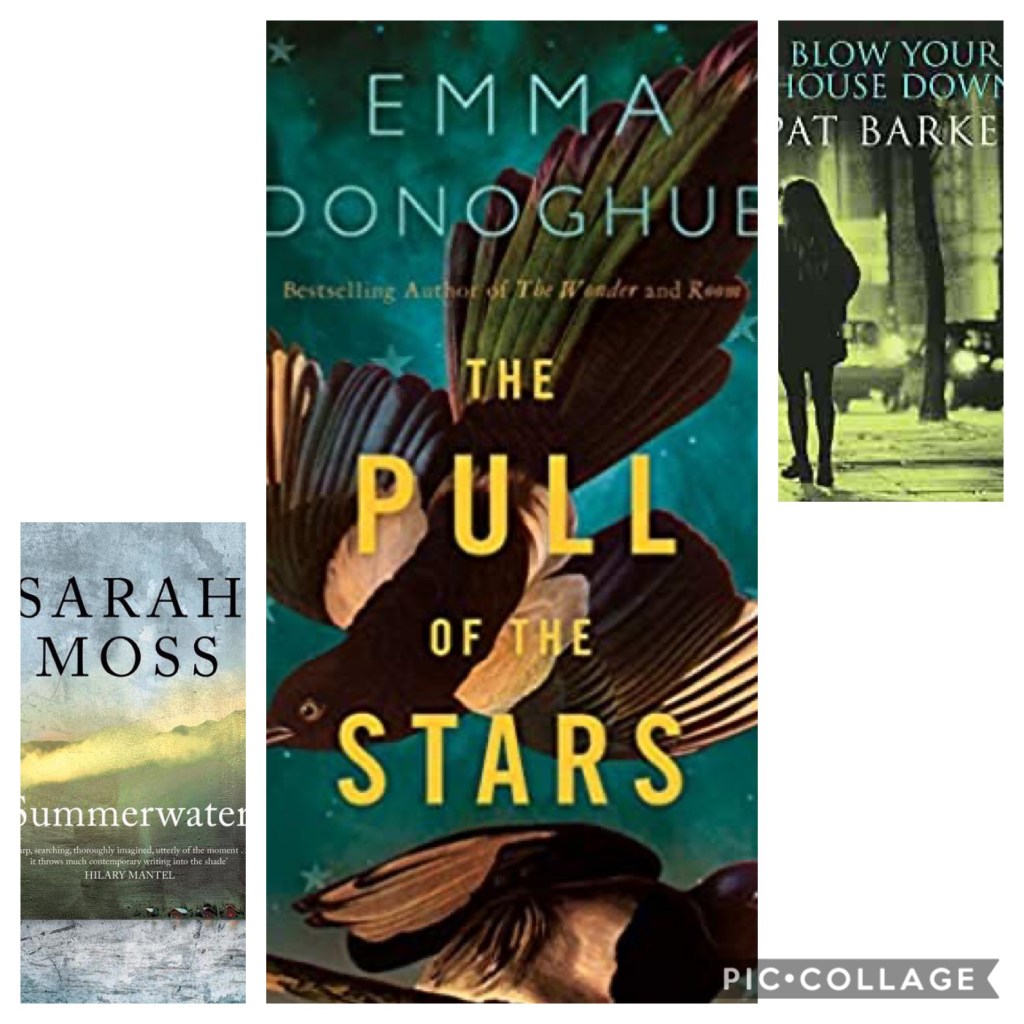
Back in the camp of old favourites I was thrilled when I received a gifted copy of Emma Donoghue’s new novel The Pull of the Stars. Dealing with the 1918 Flu epidemic, set on a Dublin maternity war, this one is timely and stunning. It has crept on to my books of the year list without a doubt.

For the next new discovery from an old favourite I have Amanda at Bookish Chat to thank. The northern streets of Pat Barker’s Blow Your House Down have made a diverting and dark interlude. Loved it!

And finally we come to Summerwater, the latest masterpiece from Sarah Moss. And it is a masterpiece, so much so I had to read it twice before I could compose my review. Both the novel and my review are out next month and the former is not to be missed, as for the review, I hope I have managed to convey something of the awe I felt for this novel.

I can’t sign off without an update on my #20BooksOfSummer challenge. 8 out of 20 read! As predicted I am woefully distracted and fickle, but I am trying!

Hope you all had great reading months and let’s catch up at the end of August!!

Rachel x