Book Review : The Art Of Dying by Ambrose Parry

Hands up, it is confession time!

Before we go any further I need to say…

I haven’t read The Way of All Flesh, the celebrated prequel to the The Art Of Dying, but rest assured I will be sorting that out pronto!

The reasons me wanting for getting my hands on a copy of the The Art Of Dying were numerous. Regular readers of the blog will know that I love historical fiction, love a bit of mystery and jump for joy at the prospect of reading about strong female characters.

The Art Of Dying has all this and more.

But what really intrigued me and sent me cap in hand to Jamie Norman at Canongate Books, (Many thanks for my copy!) was the intriguing prospect of not one but two authors.

For Ambrose Parry is the pen name for Chris Brookmyre, bestselling novelist and his wife, Dr Marisa Haetzman, consultant anaesthetist. They have pooled their many talents and come up with a winner!

The story is set in Edinburgh in 1848. Will Raven, a promising young doctor returns from his European travels to rejoin the household and practice of Dr Simpson, celebrated medic and pioneer of the use of chloroform. Will’s return is overshadowed by events abroad, previous local skirmishes and the unwelcome news that his previous love interest, Sarah Fisher has married in his absence. It has to be said that Raven is an entirely fitting name for this young man with something of the devil about him.

Sarah is Dr Simpson’s former housemaid. An intelligent young woman, her skills have been acknowledged and encouraged by Dr Simpson. In a move entirely against the grain of the male dominated medical world, he has made her his assistant. Sarah is also married to a progressive man Dr Archie Banks, who encourages her medical ambitions. Archie, however, is dying and their time together is destined to be short.

And Archie is not the only person dying in this story. Around the city it seems that whole families are succumbing to strange new symptoms. One such case reaches the attention of Sarah and Raven, as Dr Simpson is slandered by rival doctors. Determined to clear the good Doctor’s name the pair find themselves embroiled in the mystery of the deaths.

Is this a new, as yet unrecorded disease? Or is something or someone more sinister at work?

The city of Edinburgh at this time was at the forefront of medical provision and progress. Throughout the novel we are faced with a whole series of medical professionals who are on the cusp of new ground breaking discoveries. There is a continual battle between those who want to push the surgical boundaries and move forwards, and those who cling to older more traditional, and sometimes down right dangerous ideas.

This story is set in a time when often medicine is for the rich. In Victorian Edinburgh death, is all around, through illness, accident and poverty. Life is not certain; death is quite simply the over riding theme of the book.

The authors have cleverly crafted a tale which continually highlights the fragility of life. The specialism of both Dr Simpson and Dr Raven is Obstetrics, and the Victorian era is a dangerous time to give birth. It is quite symbolic that a mass removed post-mortem from a patient contains teeth and bones. This tumour seems to embody the closeness of birth and death.

And pregnancy and birth are seen as having other implications for women too. Sarah ponders at length what will happen to her medical knowledge and daily work when she herself is a mother. She fears that one life will end when she produces another.

The emancipation and advancement of women is another powerful message within the novel. Sarah longs to be a doctor, yet despite being recognised as equally intelligent and diligent by those around her she is unable to seek a professional qualification.

Sarah is a canny young woman taking charge of her life, hankering for some of the power and status medicine provides. She is determined to develop her skills for her own empowerment but also for the greater good.

But within the novel there is another strong intelligent woman at work, again skilled in medicine and again thirsting for knowledge and certainly power. But her motivations and actions are in direct conflict with Sarah.

Indeed the two characters provide a powerful juxtaposition, Jekyll and Hyde in it’s nature, casting gothic shadows across the plot.

There are so many elements in this book I admire and which conjure other books I love. The battle for female physicians brought to mind Sarah Moss’ brilliant Bodies Of Light. The dark but clever female character weaving her spell in plain sight reminded me of Jane Harris’ superb Gillespie and I. The impeccable historical detail and sophisticated plotting is perfect for fans of C.J. Sansom’s Shardlake series.

The Art Of Dying was a truly engrossing and intelligent read and it is absolute to delight to discover more fantastic authors. Holding my breath to hear more from Ambrose Parry…

Rachel

The Art Of Dying by Ambrose Parry is published on 29th August by Canongate Books.
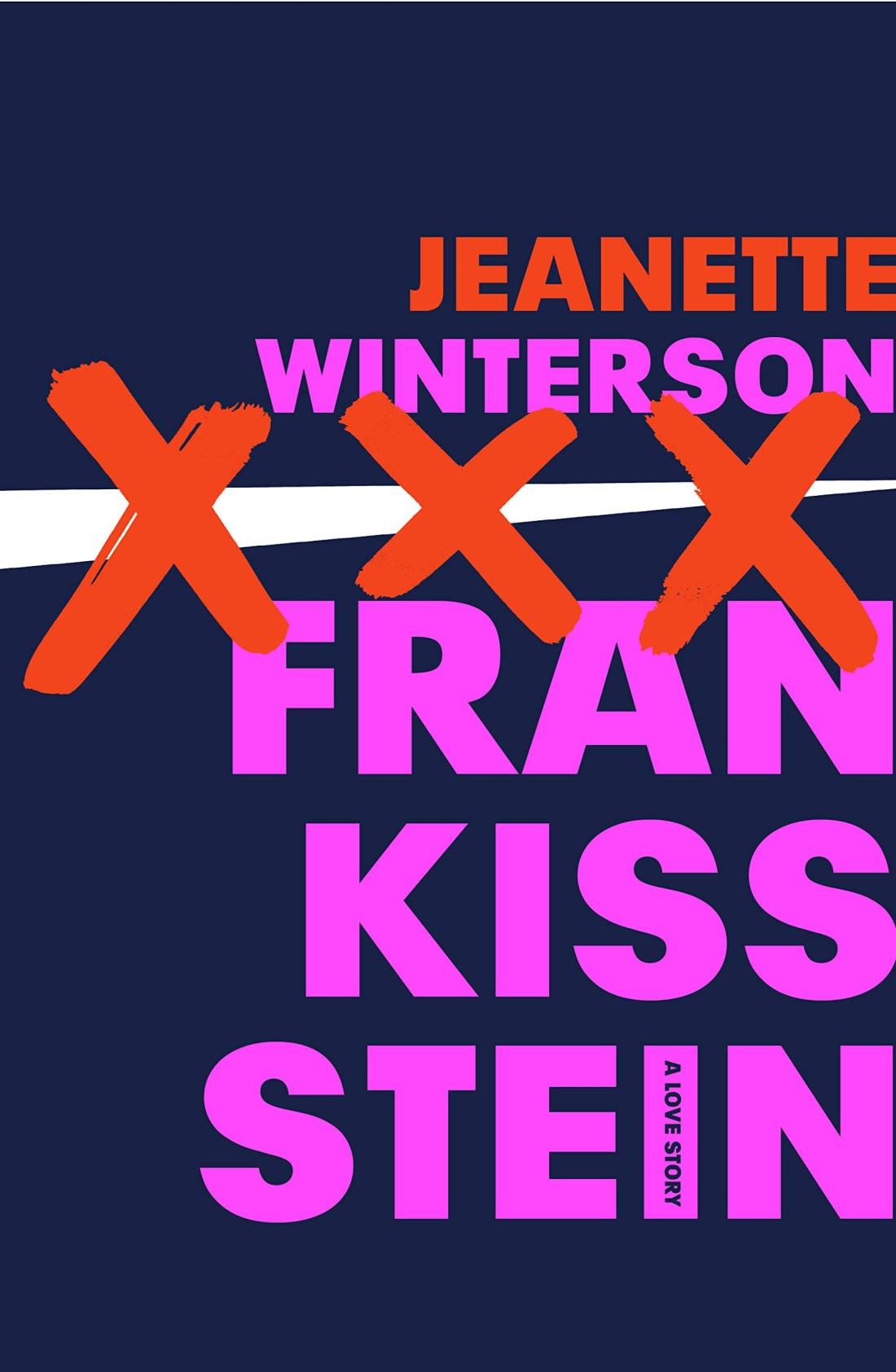
Man Booker Review #Two : Frankissstein by Jeanette Winterson.

If I could write for just 5 minutes like Jeanette Winterson I would die a happy woman.

Over the years I have continually been amazed by her intelligence, insight and biting wit. Since reading Oranges are not the only fruit in my mid teens, a complete revelation to a young some what sheltered girl (!), I have been completely hooked. No two Winterson books are the same, such is her rare versatility and style, both setting her apart from the crowd.

In that respect Frankissstein is no different.

But it all other respects Frankissstein is completely different.

It is unlike anything I have read before.

To the point where I am actually not sure where to even start with this book.

It is such a feat of fact, beautifully woven with fiction, that encompasses so many relevant and current themes. Winterson’s discussion and consideration of Artificial Intelligence (AI) takes the reader both into the past, the present and the future.

Here is a dual narrative so cleverly employed. Finding ourselves in the company of Mary Shelley, creator of Frankenstein, we see Shelley’s influences and hear her stories. As an observer of ongoing discussions between Mary, Percy Shelley and Byron the reader witnesses the new and emerging thinking of great these minds , debating what is the nature of a human. There is a tangible feeling of excitement and hope as they stand on the edge of advancement, but also a fear and apprehension about what the future holds.

We are then thrown into the present with the transgender protagonist, Dr Ry Shelley, and his lover Victor Stein pioneer of AI. Ry has changed his body, making it a place his mind feels at home. This character introduces and embeds the idea that as a race we are constantly redefining our understanding of what makes us who we are. It is a debate that has raged throughout history and is explored throughout the novel, in both narratives.

This is an treaty on, amongst other things, what it means to be human and how this debate should be guiding some of our thinking as we progress ever further in our quest for advancement and knowledge.

Winterson opens the discussion, raising question after question. Are we more than a sum of our parts? What is the essence of ourselves, and does this lie in our minds or is it part of our bodies too? And if our sense of self lies within our mind, then is the way to eternal life to download our minds and live within an alternative body? Or maybe not even a body? And would we be happy with this, or is our body important after all?

Winterson draws no conclusions but skilfully uses a cast of characters, both past and present, to shape both the potential and the pitfalls of Al and all that goes with it.

Stein is the champion of the technology, pushing it’s boundaries, seeing it’s potential. He is focused on it’s possibilities and is willing to accept any disadvantages for the greater good.

Ry is a moderating presence, open to ideas and possibilities but questioning how far we as a race should go.

Ron Lord, millionaire sex bot creator, sees the commercial advantages of AI, extols the virtues of commitment free sex but also asks the layman’s questions, questions that have a crucial validity in their simple insightful nature.

Enter Claire, American and far right religious, trying to make the moral case for AI, sometimes with twisted logic, making what she sees fit into ‘God’s’ plan. Here we see shades of Darwin and the up roar his theories caused, similarly AI takes us further from long held and traditional views, views which have underpinned belief systems and societies.

Winterson has opened the debate on AI, showing us just how far we have come, where we currently are and questioning how far we can and crucially should go. We are challenged to discuss how AI will benefit the human race, but also what it may cost us. We should question who benefits from these potential advances. Is the progress universally enhancing or does it have the potential to compromise or even destroy that which we hold dear?

The dual narrative shows us that as a race we have always been on a continual journey. Questions that we are asking in this era of advanced technology, Brexit and Trump are questions that were debated by the Romantics in the Villa’s of Florence and Geneva and others throughout time. You can’t stop humans discussing, progressing and push boundaries; there is an inevitability here.

Frankissstein is a book that challenges, that encourages questions, discussion and debate. It’s not a cosy, ‘keep it to yourself’ read. It’s one to push the boundaries, be argued over at dinner parties. It is a book bursting to get off the shelves and out into the big wide world.

A book with a voice that needs to be heard.

I, for one, can’t get this book out of my head. It’s ‘food for thought’ is still being digested and I can’t wait to feast again when I see Winterson at the Manchester Literature Festival on 5th October. (Link for tickets right here !)

I am left with a feeling that this is a book with a very important message in our rapidly changing world.

Rachel

Frankissstein by Jeanette Winterson is published by Jonathan Cape.

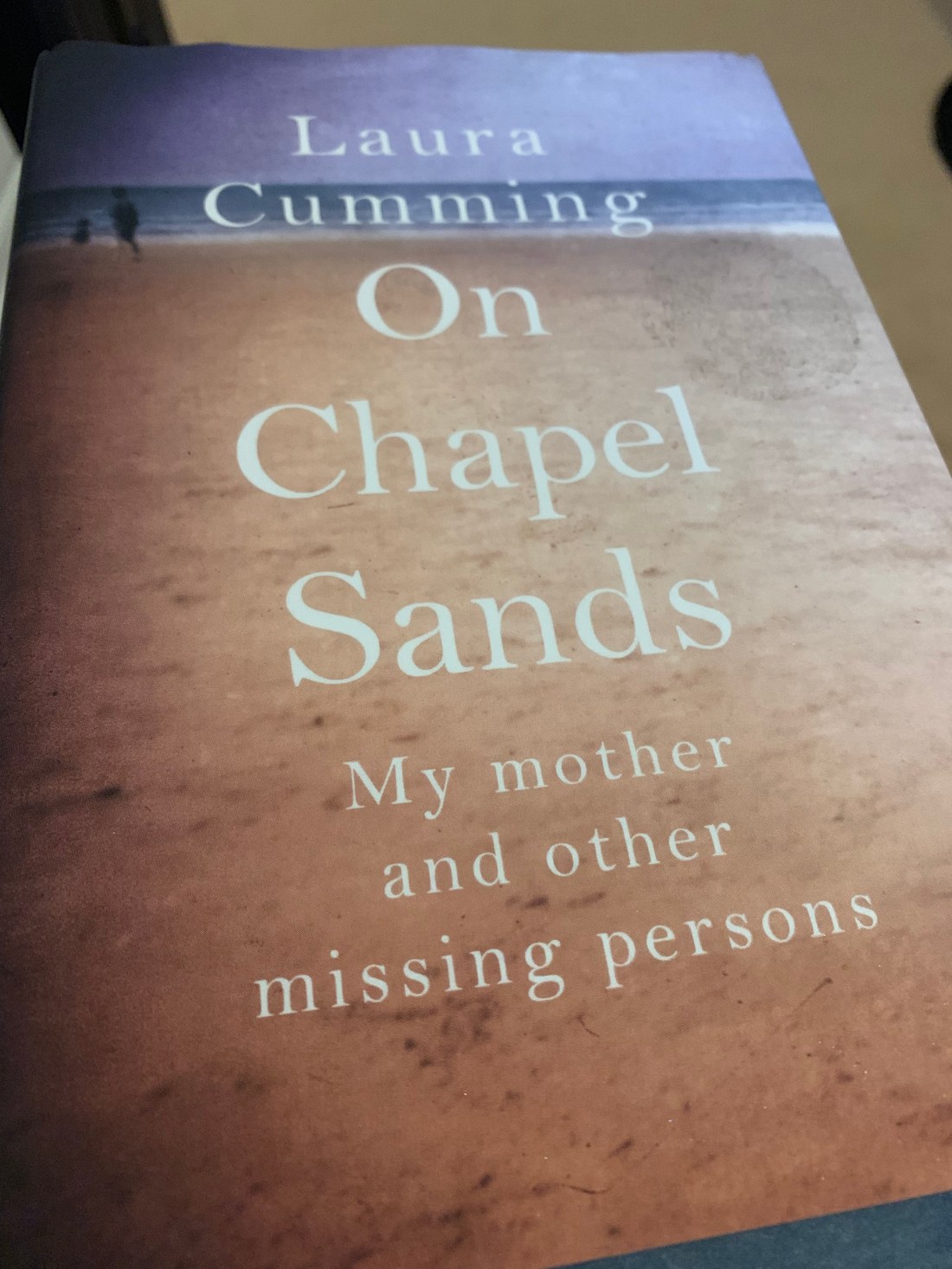
Book Review: On Chapel Sands by Laura Cumming

I seem to be continuing my entirely unplanned literary trip back to the landscape of my youth. This time we are on the Lincolnshire the coast Chapel St Leonard’s in fact, just along the way from Skegness and all it’s seaside paraphernalia.

It is the setting of the beautifully crafted On Chapel Sands by Laura Cumming, published by Chatto and Windus. It is the telling of a family history, moreover it is the telling of a family mystery, one that has remained in the shadows for many years.

Before I start I need to say that I nearly didn’t review this book.

Not because I didn’t enjoy it. I was utterly entranced. The story captivated me in that special way that only true stories can, as I listened to my constant inner voice repeating ‘My God, this actually happened…’

I hesitated about reviewing because I was worried that I would give something away.

For this is a story that needs to discovered. Piece by piece, layer by layer, just as the author and her family have uncovered, assessed and redefined their truth. I knew I needed to tread lightly.

So in terms of ‘plot’, ( and using the word plot feels wrong when you are dealing with someone’s life !) I will give you the merest hint. Just enough to whet your appetite, but trust me this is a feast waiting to be discovered.

The story begins in 1929, a young girl Betty is playing in the warm autumn sunshine on Chapel beach. She is 3 years old. Her mother, Veda, is sitting near by. Her father, George, a travelling salesman is away from home.

In the blink of eye she is gone.

Vanished.

Betty is missing for 5 days. She is finally discovered unharmed, dressed in new clothes, in a house a few miles away.

Restored to her family, Betty’s life continues and, although the ‘kidnap’ is common knowledge within the tight knit community, it is never discussed.

But the reasons behind it and the effects it has on this family will define not only this but generations to come.

And so begins the telling of a complex tale. A tale that is told with remarkable skill and originality. At no point does the reader feel lost in the tangle of truths. There is a structure and fluidity to the retelling which drives the tale onwards, not withstanding it’s many twists, turns, even dead ends that appear along the way.

This is a unique family story and it needs to be told in a unique way. Laura Cumming harnesses all her skills as an art critic, systematically analysing family photographs taken through out her mother’s childhood, almost exclusively by her Grandfather George.

These photographs are the chronicle of her family, and Cumming assesses each one, looking to discover the subject’s intent and their emotion. Timelines, settings, clothing and scribbled captions are all scrutinised to build a picture of her mother; her childhood, her beginnings and the very essence of identity.

Throughout there is that familiar feeling of trying to make sense of the past. The way we all grasp at the scraps others have left behind. The way we try to fill in the gaps with ancestors thoughts, feelings and motivations. Cumming and her mother are trying to join the dots on a masterpiece, and it is a process that will take the whole of the book.

Art is a constant ribbon running through the fabric of these words. Beyond the carefully crafted photographs of George, both Laura’s parents were artists, she herself has made her life in artistic circles. Art in this book is a mirror and sometimes a magnifying glass, offering escape, clarity and a whole new perspective on an intriguing and sometimes painful puzzle.

Cumming’s voice throughout is one of intelligence and integrity. Her love for her mother seeps from the pages and yet she allows others in this story their voice. One of the most poignant elements of her work is the fact that the perspective and viewpoints we encounter are not static. In true art critic style we are encouraged to throw off our preconceptions and look at this from all angles.

And the story and it’s conclusion are all the better for this.

I have no doubt that this book will stay me for a long time. For anyone who has ever looked back at their own family story and wished for a second of clarity, for anyone who has unanswered questions, quite possibly lost to the mists of time, this book will hold a special charm.

See you on the sands.

Rachel.

My Summer Reading Plans* (*please note these may be subject to sudden change!)

This blog post started life as a #20booksofsummer post. It was going to be really easy to write…

Then I realised that 20 books were definitely not going to Be enough, so it expanded to 30 books of summer…

Now it is completely and utterly out of control! The lists and notes have been rewritten so many times. Every time I have opened my emails, checked my Twitter and said hello to the Postman the plans have changed…

But school finished on Friday . It might be raining in Cumbria, but my summer is officially here. I can delay this no longer.

So here goes, tentative summer reading plans, which are very likely to expand at a moments notice!

And I will begin with…

Beautiful proofs just begging to be read…

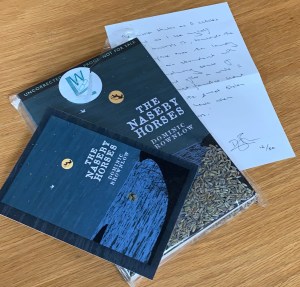
Having just devoured Don’t Think a Single Thought by Diana Cambridge in almost a single sitting, I can’t wait to get my teeth into The Naseby Horses by Dominic Brownlow. Both books are published by the very talented Louise Walters, and Naseby Horses is set in the Fens, my childhood playground. With a ‘silent and mysterious setting’ and a local curse to boot this one is right up my street. And who can resist a proof that comes bagged up in lavender!!

Next up is The Ten Thousand Doors of January by Alix E. Harrow. I have had this gorgeous looking proof winking at me for a good few weeks now and I am so excited to be on the blog tour for this one, leading up to it’s publication on 12th September with Little Brown. Set in a ‘sprawling mansion filled with exotic treasures’ and billed as being perfect for readers of The Night Circus, The Thirteenth Tale and The Binding, my hopes are high.

The next two books in this category are late entries, having just come to my attention in the last week and for that I am very grateful!

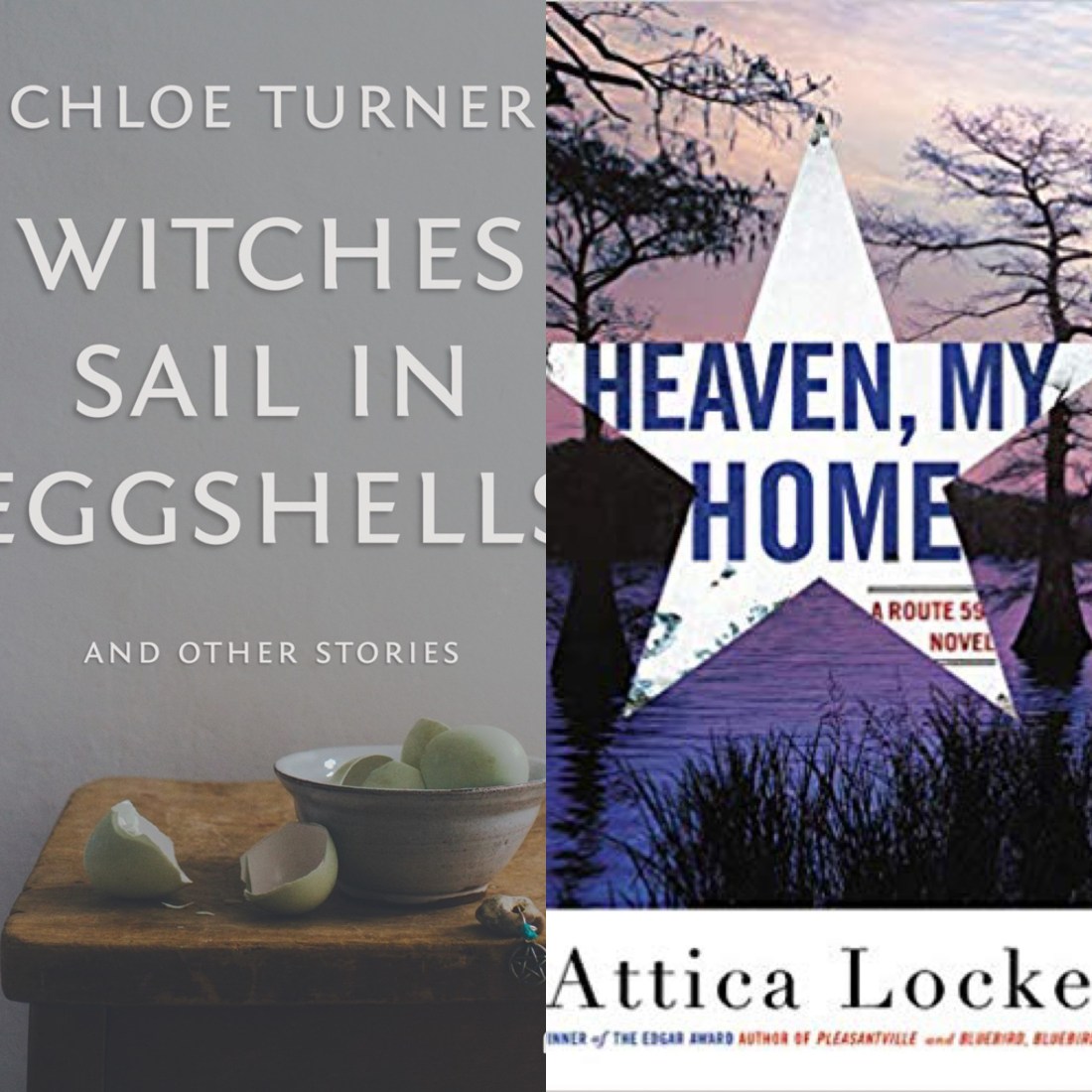
The first was so beautifully reviewed recently by Amanda @BookishChat, the intriguing Witches Sail in Eggshells by Chloe Turner, published by Reflex Press. After rediscovering my love for short stories in the past 12 months I can’t wait to embark on this one. Thank you David Borrowdale for my gifted copy.

The second is the long awaited sequel to Bluebird Bluebird by Attica Locke. Having discovered this huge talent at the end of last year I was thrilled to be offered a proof of Heaven, My Home. Set in Texas against a backdrop of racial violence following the election of Donald Trump, a black man is implicated in the disappearance and potential murder of a white boy : the son of an Aryan Brotherhood captain.

This book feels like an important and timely read and I am very grateful to Hope Ndaba at Serpent’s Tail for sending this one my way.

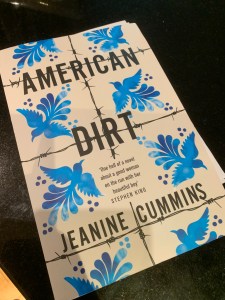
American Dirt by Jeannie Cummins has been getting a whole lot of love on Twitter recently and I am so grateful to Louise Swannell for her super speedy response to my begging for a proof. This is (I think!!) my first 2020 proof. The story of a mother’s love and desperate efforts to protect her son as circumstances force them to flee Mexico, riding the ‘la bestia’; dangerous freight trains crossing the US – Mexican border. Published by Tinder Press this too feels like an important novel of it’s time.

Now I am very definitely a ‘physical books’ kind of a gal, however when I really, really, really want to read something I will turn to NetGalley!

Currently waiting for me on my shelf are four crackers which I am planning to devour on the long car journey to France in a couple of weeks time!

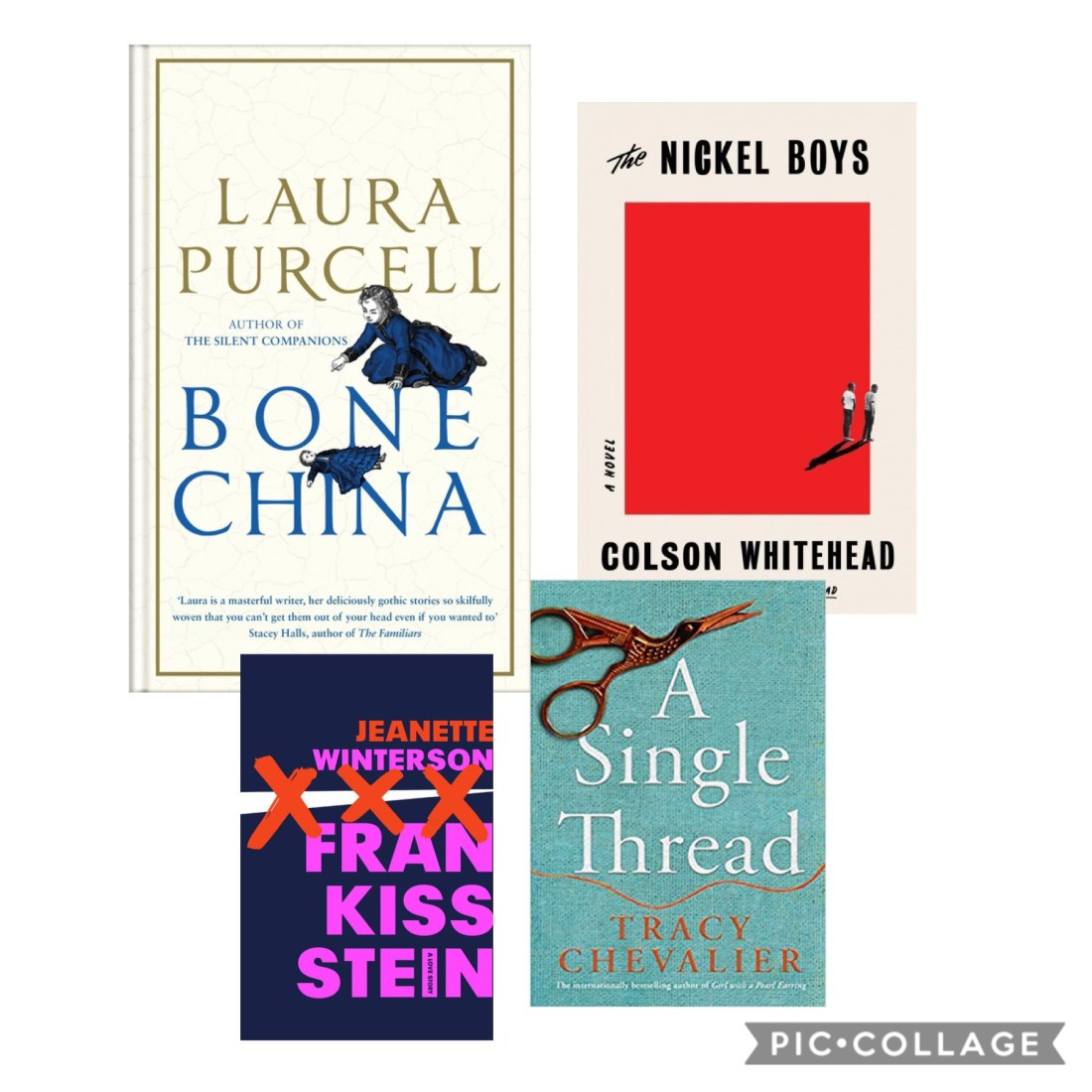
Let’s begin with the incredible talent that is Laura Purcell and her upcoming release Bone China. A historical thriller set in Cornwall and inter woven with superstition and intrigue, this one is just brimming with promise! Published on 19th September by Raven Books this one looks like a gem.

The Underground Railroad launched Colson Whitehead into my reading consciousness with a bang. His latest work The Nickel Boys is set in 1960’s Florida and, just like Railroad finds it’s foundation very much in reality. Here is the story of a Reform School that twists and destroys the lives of the boys within it. I am not anticipating an easy read but certainly an important one.

Tracy Chevailer‘s new offering is up next! A Single Thread is set between the Wars. Focusing on Violet, mourning the loss of her brother and fiancé, one of a generation of women unlikely to marry, she strikes out alone. Looking for independence and seeking a purpose in her life, this book seems full of promise and empowerment! Published by HarperCollins UK on 5th September

And finally Jeanette Winterson has held me under her spell since discovering Oranges are not the only fruit as a wide eyed teenage. To have a digital copy of her latest book Frankissstein seems like a true honour! Within these pages Winterson tackles the thorny issue of AI and asks the difficult question of what will happen when humans are no longer the most intelligent creatures on the planet? Published 1st October by Grove Press.

New, shiny, recently released books that are singing to me…

First on this list has to be The Moss House by Clara Barley. Just published by BlueMoose Books and hot on the heels of the fabulous Gentleman Jack, this is the book for anyone looking to immerse themselves once more in the story of the awe inspiring Annie Lister and her lover Anne Walker.

(And interesting fact Clara Barley and my good self shared an A level English teacher, the wonderful Linda Hill of Linda’s Book Bag.)

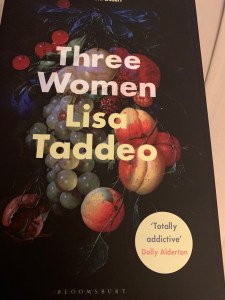
Three Women by Lisa Taddeo, Bloomsbury is quite literally EVERYWHERE this summer. Already a Sunday Times #1 bestseller this imitate portrait of the lives and desires of three very different women is widely tipped as the nonfiction read of the summer.

On Chapel Sands: My Mother and Other Missing Persons by Laura Cumming, Chatto &Windus is about as compelling a family history story you will find this year. With the story of her mother’s kidnap in childhood at it’s heart this is Cummings exploration of a Lincolnshire coastal hamlet and it’s secrets.

And the finally – Ducks, Newburyport by Lucy Ellmann, Galley Beggar Press. I have made absolutely no secret of the fact that this book scares me and intrigues me in almost equal measure. Approximately 1000 pages long and largely told through a single sentence, it is certainly unique. It’s on order…I am waiting with bated breath

Books that I have missed…

These are books that have been published for a while now, books the world has been raving about but books I haven’t quite caught up with yet.

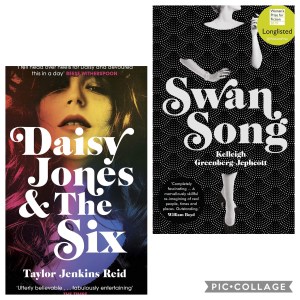
The first had been recommended most heartily by Claire @yearofreading and who am I to disagree! Swan Song by Kelleigh Greenberg-Jephcott was long listed for this year’s Women’s Prize and is the story of Truman Capote and his ‘Swans’, the wealthy, beautiful women he courted but ultimately betrayed.

And continuing the theme of hedonism, let us look next to Daisy and the Six by Taylor Jenkins Reid. It feels like every single person in the bookish world and beyond has read this tale of a 70’s band rise and fall. And I want to join the party!

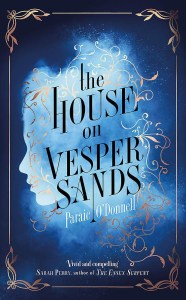
Heading in a completely different direction now, for I can’t go long without venturing into the world of Victorian England. Particularly the grimy streets of London where there is a mystery to be solved. The House on Vesper Sands by Paraic O’Donnell looks like a promising way of scratching my Dickensian itch. This first hit my radar through the Backlisted Podcast and I have been running to catch up with it ever since.

Sneaking another one in here, let me introduce Heroes by Stephen Fry. Around this time last year I read and thoroughly enjoyed Mythos. Heroes is the last of my Christmas present books and it seems a perfect read for basking (please God!) in the summer sun!

And finally…my blasts from the past my TBR pile…

Blogging has thrown up so many welcome literary discoveries that I have, inevitably been cheating in my ‘To be read pile’. So in no particular order below are the books I am determined to get to this summer!

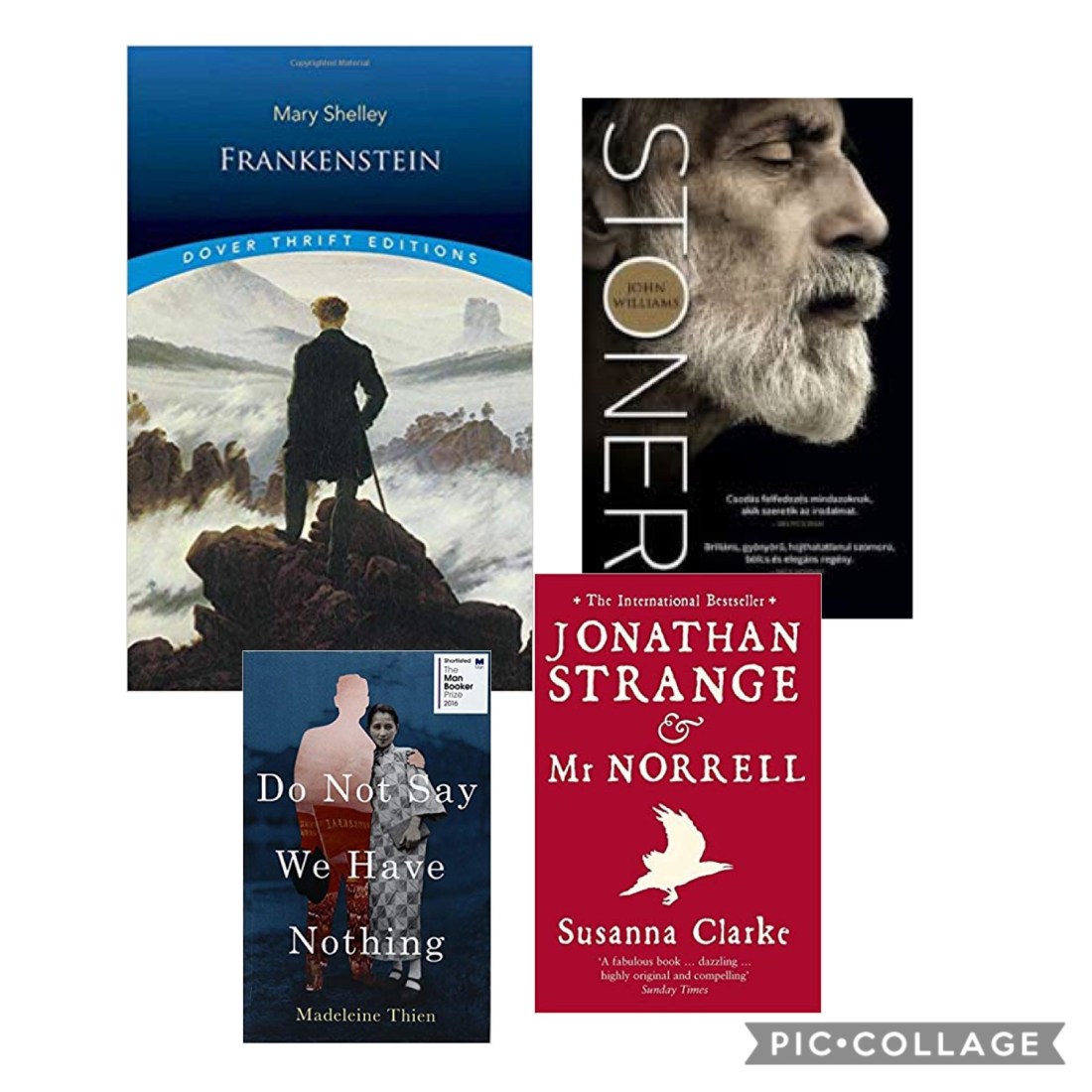
Jonathan Strange and Mr Norrell by Susanna Clarke – This has been by my bed for a least two years! Another one that scares me a wee bit. Time to face my fear I think!

Stoner – John Williams – I have been meaning to read this for time immemorial. Who thinks the time is right?

Do Not Say We Have Nothing – Madeleine Thien Everyone has read this tale of revolutionary China, right? Wrong!! Need to sort it out!

Frankenstein– Mary Shelley Strictly speaking this is a reread, having read this many years ago at University. Having just completed the brilliant Arguing with the dead by Alex Nye, which focuses on Mary’s tangled relationship with Percy Shelley, and having access to Winterson’s Frankisstein, it feels the time is right to reacquaint myself with the monster!

And so there you have it..

…my somewhat tentative summer reading plans.

There are, however, any number of things which might just sway me off course.

At this moment, for example I am very aware the Man Booker Prize long list announcement is looming. I would like to say I won’t be affected…

…it would be a lie!

Every time I log on to Twitter I will make new golden discoveries, be tempted into requesting proofs and just generally feast myself on the loveliness of fabulous books floating in the ether!

Lovely publishers will hopefully continue to be in contact sending me goodies, (again, Please God!)

And I will wander into beautiful book shops and rescue poor unwanted books… for their own good…naturally!

But I promise that one thing that will definitely happen is that I will read lots of lovely books…

…and it’s always good to have a plan!!!

Happy reading!

Rachel x

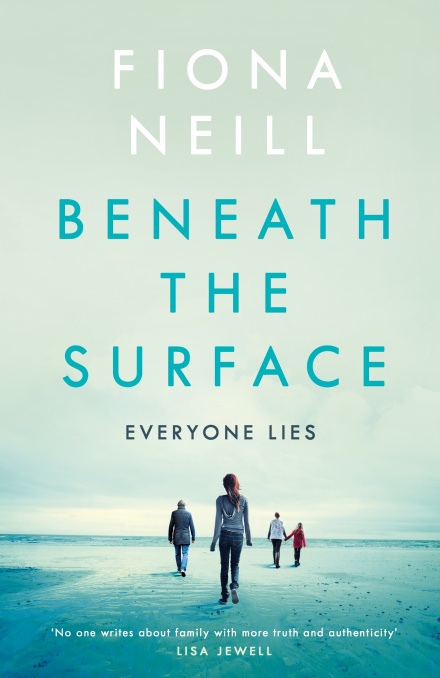
Book Review : Beneath the Surface by Fiona Neill

In a land where the sky is king, the weather announces itself hours in advance; the fields, ditches and dykes have a Mondrian‑like geometry, that repeats itself with utter predictability as far as the horizon; and you can see anyone approaching for miles.”

It is rare, in fact so far unheard of, that I start a review with a quote from the book in question. However this quote sums up so perfectly how I remember the Fens of my childhood it was an obvious place for me to begin.

Fiona Neill has hit upon the very openness of the landscape and the huge brooding skies; skies that reached the ground, skirting fields of wheat and barley for mile upon mile. Unlike the rugged Lakeland landscape I now call home The Fens are not beautiful in the traditional sense, but they have a unique quality and one which for me is ever present.

It is this unique quality which Fiona Neill has been so accomplished at embedding into her novel. It is a quiet delight to find a novel with such a strong sense of place, a sense of place which not only grounds the novel but is central to it’s key themes and motivation.

For The Fenland that Neill writes about is seeped in history and that history is cleverly interwoven into the lives of the characters.

Patrick, husband and Art History teacher, is the descended from the Dutch pioneers who drained the land, reclaiming it from the sea.

Mia, younger daughter; eccentric, creative and straight talking, becomes fascinated, some might say obsessed by the Anglo Saxon burials recently uncovered. They offer a glimpse into the past but they also indirectly threaten the future. Tas, Mia’s traveller friend, is likely to lose his site in order to preserve this newly discovered and important site.

The past, seeping through to the present, is a theme running through the very veins of this novel. For when Lilly, fated older daughter and A grade student collapses at school, her parents Grace and Patrick are thrown into a world of turmoil.

Grace has spend years constructing the perfect life for both her girls. The product of a chaotic and abusive childhood, Grace clings to normality and the concrete. Navigating her life with her notebook of Certainties she has suppressed the most traumatic event in order that her girls may thrive. But just like the rising marshland water that is infecting their new home, the more Grace fights her past, the more it threatens her present. Her need for boundaries is ingrained, but what happens when those boundaries stop being healthy and become a cage?

The story is testament to the fact that the past runs through all of us. Deny it and it will find a way to make it’s self known. Neill shows the reader that by suppressing the past we are giving it a momentum of it’s own.

Yet secrets within this novel are not confined to just the past. Here we find a compelling portrait of a family coping with both collective and individual problems . No one person is telling the truth. Each is keeping close watch over their own and indeed other people’s secrets, in a misguided bid to protect the family as a unit.

Lilly, for example, has created a double life; dutiful and driven daughter, competing for a coveted University place, verses young woman experiencing love, sex and deceit for the first time. When the pressure of this charade becomes to much the fallout affects not just Lilly and her family but the wider and surrounding community.

This novel is held together by tight family bonds. The theme of siblings and their unique relationships runs deep. They are a source of tension, humour and unexpected revelations, which once again underline the connections between past and present.

Neill has created a cast of characters that are authentic and believable. Their motivations, however misguided never seem outlandish, such is the skill with which they are drawn. It is a mark of Neill’s accomplishment as an author that the reader finds their sympathies continually shifting throughout the novel.

Should you want to take a trip to the open Fenland landscape the Beneath the Surface is an excellent place to start and one I would recommend.

Huge thanks go to Penguin Random House for sending me a digital copy in exchange for an honest review.

Book Review : The Murder of Harriet Monckton By Elizabeth Haynes

Historical fiction has always floated my boat. I love immersing myself in the past, particularly when the story in question is based on fact. And particularly where there are unanswered questions and room for interpretation. Give me a slow reveal of fact and supposition cleverly interwoven and I am in clover.

I also love a long book. The joy of finding a book that is skilfully put together and captivating is unbounded. Who doesn’t want a really great story to go on?

So I approached The Murder of Harriet Monckton by Elizabeth Haynes with excited anticipation. Heartfelt thanks go to Emma Dowson at Myriad for my gifted copy.

I wasn’t disappointed; my reading experience was every bit as satisfying and enthralling as I had hoped.

Based on a true story Haynes takes us back to Bromley, 1843 and sets about unmasking the killer of Harriet Monckton. A young aspiring teacher Harriet is found dead in the privy at the back of her local Chapel, 24 hours after leaving a friends house to post a letter.

It is quickly established that Harriet has been poisoned but is this through her own hand or has she been murdered? The revelation that unmarried Harriet is ‘with child’ adds further complexity and intrigue.

As an inquest is called various potential suspects come to light. Haynes has used actual coroner’s reports and witness testimonies from the original case to paint a picture of both a life and community riddled with secrets, all touched by suspicion.

Could gentle Tom Churcher be Harriet’s killer? It was he who found the body and seems strangely affected by her death. Having been seen ‘walking out with’ Harriet, despite being unofficially betrothed to another, could this be a love affair turned sour?

What of his spurned sweetheart Emma? Is this a killing with is motives in jealousy and revenge?

Harriet’s friend and sometimes housemate Frances Williams cannot be discounted either. Why exactly has she become so close to the deceased and what would it cost her if the true nature of their relationship was disclosed?

And what does Richard Field, husband of a dear friend, know of Harriet’s death. As former landlord and clearly former lover he is quickly pulled into the circle of suspicion.

Finally and perhaps most chillingly, we must consider The Reverend George Verrall. Is his relationship one simply of spiritual guidance and confessor as he would have his followers believe, or is there a more sinister side to his relationship with Harriet ?

This, perhaps unsurprisingly is a story of secrets, of hidden facts and relationships build on half truths and lies. The plotting of this novel is skilful, layers of deception are slowly revealed as each character uses their own distinct voice to present their individual relationship with Harriet. For Harriet means different things to different people and this is key to our tale.

It is through these authentic voices we build a snap shot of a group of characters who are misunderstood not only by each other but by themselves. Working hard to justify their actions or, indeed, inactions there is a sense of self deception which permeates their testimonies.

Richard Field, for example, works hard to convince not only the reader but also himself that he is a dedicated family man, taking little or no responsibility for the pivotal role he played in Harriet’s life and undoing.

Rev. Verrall’s account aims for piety but smacks of desperation. His attempts to lead the inquest to a verdict of suicide make him all the more suspicious and frankly distasteful.

And this is a view that is enhanced and repeated through the use of Harriet’s diary. For crucially Harriet’s is not a voiceless victim in this story. The use of her own written testimony adds clarity, gives her character power but also brings into sharp focus one of the key strengths of this novel.

The abuse of power, both spirtual, sexual and financial power is behind Harriet’s sorry tale. For Harriet is not an uneducated women. Rather she is spirited, independent and eloquent. Her relationship with Richard Field was based on genuine feeling, it’s ending a moral sacrifice on her part for the sake of a dear friend.

Moreover her treatment at the hands of George Verrall is the classic abuse of power. Religious power and abuse masquerading as concern and correction, the sacrifice of one young woman for a greater male purpose. The weaving of deceit and concealment is all too common both in Harriet’s life time and our modern day society.

For the real genius of this novel lies in it’s ability to commentate on the treatment of women in the past, but make it relevant to society today. As a reader I couldn’t help but link the kind of abuse of power detailed so starkly with in these pages to the events of recent years; the #MeToo campaign and all its associated stories and movement. The situation Harriet faces is still something faced by women all over the world.

Elizabeth Haynes has employed to maximum effect the ability to look to the past to illuminate the lessons we are still learning today.

And what if the killer of Harriet Monckton? Well, you will find no spoilers here but as with everything else in this gem of a book, nothing is ever quite as it seems.

Book review – Expectation by Anna Hope

Ever get an Advance Reader Copy of a book that makes your heart sing?

That’s what happened to me when I was approved for Expectation by Anna Hope. So thank you Transworld Books for making a middle aged blogger very happy!

Anna’s post World War 1 novel Wake has lived large in my memory for a number of years. I vividly remember reading it on a 5 hour train journey north. Spellbound and moved, I finished it almost in one sitting. Thank goodness my stop was the end of the line, as I would have undoubtedly missed it otherwise.

Hence my excitement about the release of Expectation.

And I wasn’t disappointed.

Expectation is a novel about three women, all ploughing their own furrow. All following their own and others expectations, none of them completely fulfilled.

Cate, Hannah and Lissa have been friends for years. Connected by past events and shared memories, all three are at a crossroads in their lives.

Lissa is an actress, not quite fulfilled, still seeking success, constantly in awe and frustration with her artist mother.

Hannah is successful, married but desperate for a child, and facing down the process of IVF and all that it brings.

Cate is a new wife and mother but feels life has over taken her and that somehow she has missed out; that she has taken a wrong turn and is not fulfilling her potential.

Throughout the novel we see each woman peering in at the lives of their friends, and building their own expectations and desires. Each woman is questioning what they have achieved and quietly coveting what the other has.

Hope has created a believable portrait of friendship that houses underlining tensions and unspoken truths. Events and emotions in both the past and future seek to undermine the foundations of their friendship and those of people surrounding them.

The power of this novel lies, undoubtedly, in the authenticity of the characters. Their dilemmas and stumbling blocks aren’t outlandish or unusual. In fact that they are common, some might say mundane but they are all the more powerful and heartbreaking for that.

There is a real sense of empathy with these characters. We care what happens to them.

More than that we feel what happens to them. We have been Cate, or Hannah or Lissa. Surely is a rare individual who hasn’t questioned where their life is heading or where they have ended up.

And it is this quiet simmering undertone of dissatisfaction and re evaluation, which drives the story along. Can these characters make the changes they need, even if means changing the course of their lives and not fulfilling their own and others exacting expectations? Or are they destined to live up to Expectation but live unfulfilled?

Hope is showing us that fulfilling ‘Expectation’, is not necessarily the key to happy and successful life. In doing so she has created a novel that refines the terms and phases of our everyday lives.

Is fulfilling Expectation a mark of success? Or do we judge our lives through different eyes?

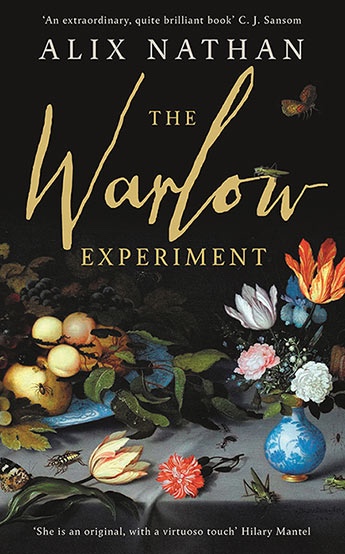
Book review : The Warlow Experiment by Alix Nathan

On this occasion I see very little point in playing my cards close to my chest, because I am about to gush repeatedly and quite possible extensively about how much I found to admire and love in the pages of The Warlow Experiment by Alix Nathan

This book quite simply took my breath away.

And not because only because as a chronic claustrophobe, I had to read with a curious sense of detachment. It took my breath away as this novel has so much to offer and so much to say.

Throughout my reading I made copious notes, as this beautifully plotted and many layered novel slowly revealed itself. I made so many notes that in truth I am not quite sure where to start.

Part of me wants to mull things over a bit more; this is a book that leaves you pondering and reflecting after each sitting. I guarantee these characters will dance through your dreams and whisper to you while you go about your day.

But another part of me is desperate to review this while it’s all still fresh in my brain. And I feel strongly that this novel deserves a publication day review.

So am starting in the obvious place, at the beginning.

Not just the beginning of the novel but right at the novel’s conception, the point where Alix Nathan found inspiration for this incredible story.

It surely must be an author’s dream to stumble across something as tantalising as a genuine late 1700’s advert searching for a person willingly to spend seven years underground and entirely alone all in the name of science.It is a gift of a starting point, and from it Alix Nathan has created a gift of a novel.

And so we come to our story. Enter Powyss. An amateur botanist, wealthy and living with limited social contact. Considering himself a man of science, tired of simple experiments surrounding his plants, he conceives a scheme to raise his standing in scientific circles.

He advertises for a man to lived beneath his house in specially designed apartments. Filled with books and furnished in style the only thing the chosen subject will want for is human contact. For seven long years.

One man comes forward. Warlow, a local labourer, a married man with minimal education and a growing family. His labours will earn him £50 a year for life and his wife and children will be well cared for during his time away.

The novel begins as Warlow enters the apartments. At this point it is not necessarily the confinement that is the cause of his immediate discomfort but rather the palatial surroundings he finds himself in. Everything that Powyss has seen as essential to Human enjoyment and sustenance, books, fine china and linen, even an organ is entirely alien to Warlow.

From the beginning obvious tensions and paradoxes are apparent. Powyss sees himself as educated, even worldly and yet his actions and reactions particularly to Warlow underline his naivety and social arrogance.

Powyss does not understand the working man, he does not understand how his estate runs, how the people he employs think and feel.

Choosing to dismiss his acquaintance Fox’s lyrical letters highlighting social unrest, beginning with the French Revolution and spilling across the Channel in the form of workers uprisings, Powyss see the wider world as irrelevant to him. Powyss pointedly ignores his gift of Paine’s ‘Rights of Man’, leaving it’s pages uncut, whilst key members of his staff are lapping up it’s teachings.

In fact, far from isolating himself from what is happening in the wider world, Powyss is replicating a societal microcosm in his own home. What could be more pertinent to the ‘Rights of Man’ than choice, education and freedoms? At so many points the novel is an astute exploration of the nature and notion of universal suffrage.

For quite unwittingly Powyss has created a world where perceived order and hierarchies are being subverted. Power shifts as Powyss comes to understand the implications of what he has done. How easy will it be to release this man after such a period? After years of repression, confinement and potential suffering, what kind of retribution will Powyss face. Once again we staring down a metaphor for a wider socio-economic situation.

Or course it is of no surprise that the experiment fosters danger. But does this danger come from the expected quarters ?

The experiment brings change, upsets balance and careful order. It doesn’t just change Warlow but everyone who comes into contact with it.

And of those affected who, poses the greater risk to wider stability.

Is it Warlow? Living isolated and becoming more disassociated from the world and his own self, beginning to understand, even fleetingly, just how important even small freedoms can be.

Or does risk lie in Powyss’ own shifting priorities? For a man who seems to revel in his self perceived solitude, the experiment is bringing dramatic changes to his social circle. Warlow’s wife Hannah is strangely beguiling. What effect will her presence bring to the situation?

And we shouldn’t underestimated Abraham Price and his sweetheart Catherine, master gardener and housemaid, two of Powyss’ overlooked staff. Both are dissatisfied, both drawn to political developments, but who will take their frustrations to the next level?

The experiment is ill conceived of that it there is no doubt, both subject and creator end up trapped and changed by their experience.

Alix Nathan has created a masterpiece. And I don’t say this lightly. There are so many layers within this novel. So many recurring themes, strands that weave beautifully together.

Clearly this is a meditation on what if costs to live both within the world and the effects of being removed from it. But it’s also offers valuable comment on such themes a religion, personal and political power, rights of women and suppression of humanity. It is a novel with a social conscience, a love story and on many levels a tale of horror.

My review is, I hope, heartfelt but is actually a mere skim across the surface of this incredible tale. One blog review will not unlock the wonder of this novel, but I hope it persuades you to turn the first page.

From there you are lost…

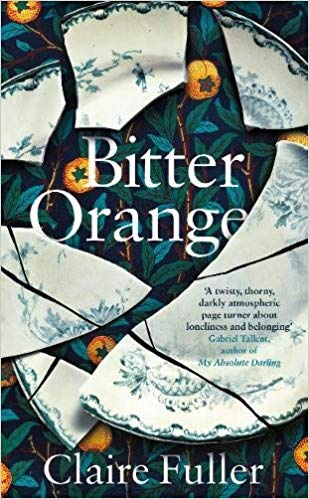
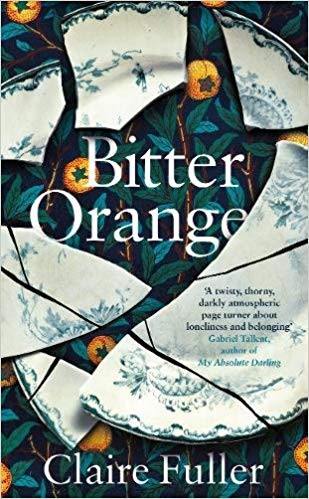
Book review : Bitter Orange by Claire Fuller

I am certainly a little late to the party with this one but ‘wow’, what an absolute gem. This was chosen as a read for one of my book clubs, and I am so grateful it was. The novel had been languishing, undiscovered on my Kindle for weeks and I had clearly been missing something very special.

Before I go any further I must say a big ‘Thank you ‘ to Claire for kindly providing our group with some great ‘book club’ questions. It focused our discussions and gave us a great insight to this multilayered tale.

So what’s it all about? Well a brief synopsis is called for here because one of the joys of this novel is in it’s unravelling. An air of mystery is present from the beginning and pervades throughout, and there is no way I am spoiling anyone’s reading pleasure!!
We begin at the death bed of Frances Jellico. Triggered by repeated visits from the ‘vicar’ Frances is swapped by memories.

It her mind she is back in 1969. A long summer when Frances, recently released from a life of caring and drudgery after the death of her mother finds herself working in a crumbling country house. Tasked with cataloguing and researching the house’s horticultural architecture by it’s new American owner, she finds herself living alongside an intriguing couple Cara and Peter.

Cara is fiery, unstable and longing for Italy. Peter, there to catalogue the inside of the house, seems both drawn to and unsettled by his partner’s unpredictability.

Frances is certainly drawn to both Peter and Cara. Attraction to Peter pulls her close and Cara’s compelling stories seem easy to believe, however unlikely they maybe.

Parallels can quickly be drawn between the two women. Both have difficult relationships with domineering and seemly cruel mothers, both seem to worship fathers long since absent. The lack of parental guidance has all too clearly left it’s mark. Peter seems to take on the mantle of both lover and father figure for both women at various points. Parental chaos is a key underlying theme of the novel.

All three characters fall into a Bohemian and careless routine. Drinking and eating late into the night, pulling each other into strange confidences and conversations, making unlikely and misguided decisions. Decisions that will have terrifying consequences for all concerned.

The state of the house; that of faded grandeur and with an air of broken down convention, has a dramatic and far reaching effect on all three characters, but perhaps most markedly on Frances. Here we see a casting off of restraint. This rather uptight and cowed Woman steps into the light, casting off her Mother’s hand me down girdle and donning floating vintage gowns. Along with her clothing she sheds morality and normality, swept away by this heady new atmosphere and strange, remote setting.

Moreover the house seems to act as metaphor for the character’s lives. It reflects the jaded nature of their past but it too has a history is full of complexity and sorrow. The turmoil of the buildings mirrors the turmoil all the central characters seem to find themselves mired in.

For all of our characters are searching for a truth, a reason for a being, a deeper meaning to their existence. All protagonists have secrets, some more shocking than others. And all are trying to find a way to make peace with those secrets and reconcile themselves with decisions they have made.

At times it feels as those there may be supernatural forces at work within the house. Frances particularly experiences unexplained and unexpected events within her rather shabby sleeping quarters. Confusion and chaos increase throughout the novel, but is it real or imagined? Supernatural or a reflection of the state of someone’s happiness or guilt? Is it just easier make a glib reference to ghosts or even miracles, rather than confront an uncomfortable truth?

For be in no doubt, the narrators in this novel are nothing if not unreliable. Cara is feted as the obvious problem but slowly we come to question everyone’s reliability and integrity. Who, if anyone can we believe? What is Frances hiding? What of Peter’s past? For even the house has secrets that it won’t easily relinquish.

There is a pervading theme of seeking the truth, of spying on others, of listening at closed doors and only hearing part of a story. Characters in this novel are not in possession of the full facts, they can’t see the full picture and the consequences are dire. I promised no spoilers but Frances first discovery is a clear signpost for truth seeking and secrets in the most clandestine of ways!

Because from the start the reader is working through a fog of confusion. Where is Frances now? Who is this ‘Vicar’, and why is he bringing her back at the end of her life to a summer long ago?

As the story concludes ask yourself; are you sure of the truths you have acquired? Or do you need to spend a bit more time with Frances, Cara and Peter? Is there more to unravel in this rather complex web of ‘truth’?

Claire Fuller has created one of those delightful books that is so easy to read and utterly compelling, yet is multi layered and complex. One of those books that is just meant for discussion, that becomes even more vibrant and in this case, sinister with continued thought and probing.

It is a book ripe for rereading, with the promise of finding yet more hidden treasure.

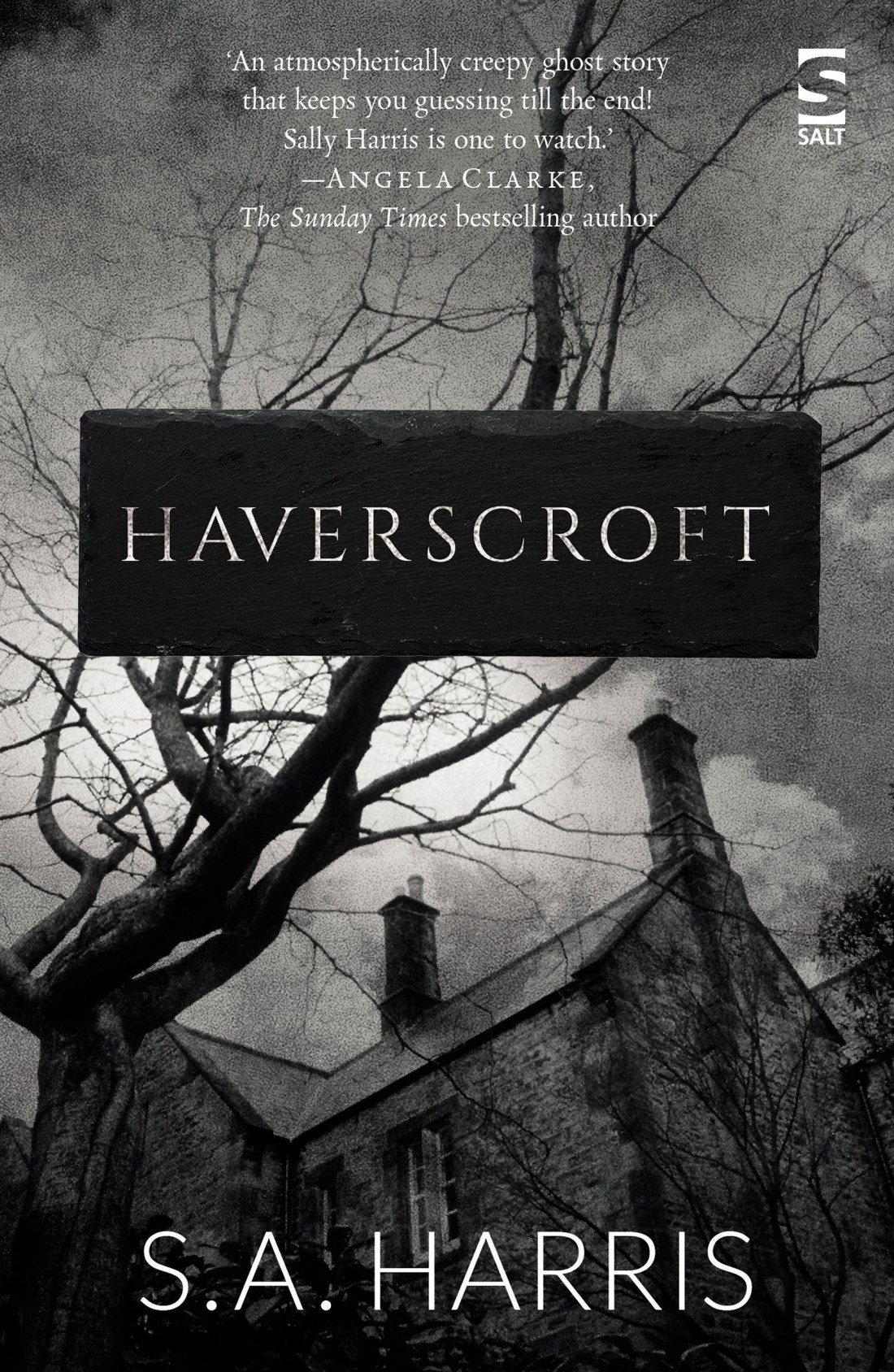
Book Review: Haverscroft by S.A.Harris

I am always in the market for a good ghost story. Followers of Bookbound may well remember that Susan Hill’s classic ghost story ‘The Woman in Black’ made it, rather strangely perhaps , into my Top Ten Comfort Reads. I like nothing better than raising my heckles and disappearing off to dark, forbidding places, bring on the spooks I say!

But the trouble is, in recent years I have found good ghost stories rather hard to find. By the way I am quite happy to be proven wrong in this assertion, so feel free to send me your best supernatural offerings. But be warned I am quite picky. I am not talking horror here, not overtly gruesome or grizzly. I am talking about an old fashioned ghost story, filled with lots of psychological head messing and gloomy attics. Ideally it will contain a storm and definitely an isolated house with untold secrets. Throw in a few freaked out locals for good measure and I am in clover .

The last great ghost story I remember reading was Sarah Waters delicious The Little Stranger. Dark, powerful and reread at least twice, it scratched my ghost story itch. I was starting to think that no one was writing great ghost stories anyone more.

Then along came. Haverscroft

In the past few weeks my Twitter feed has been increasing filled with talk of a new, exciting supernatural tale. Written by Sally Harris and published by Salt, this was a modern ghost story; bang up to date in setting and style but with all the ingredients for a perfect ghost story and more.

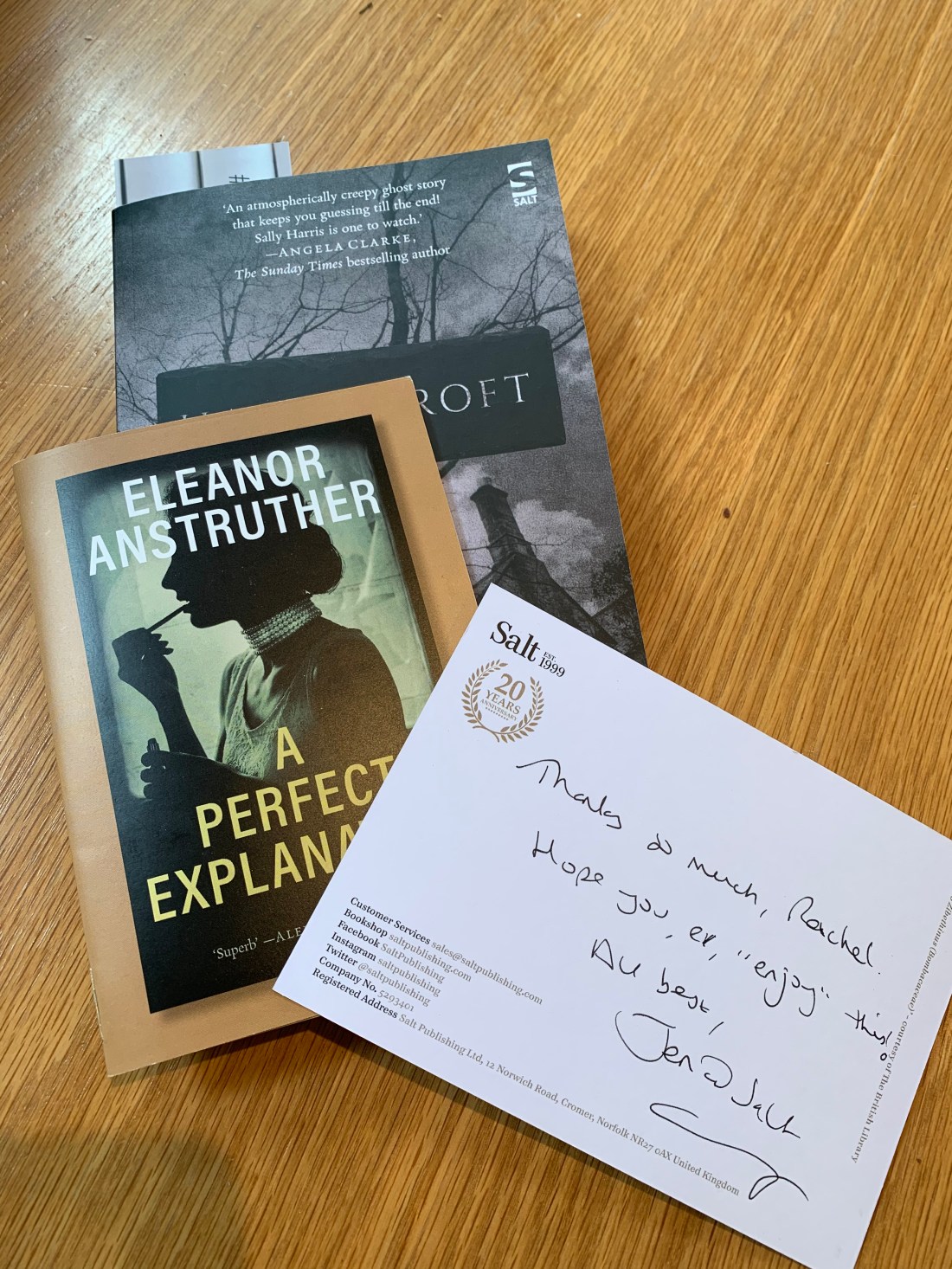
When my beautiful little bookish bundle arrived from Salt, right in the middle of half term, I suspected I was in for a treat.

So here begins the tale of Kate and Mark; we join them on the day they move to Haverscroft, a rundown house in the countryside. Escaping from their London life and trying to repair the cracks in their marriage, the couple arrive at Haverscroft with their young twins. Mark is sure that this the place for them, he is confident and firmly grounded in reality. By contrast Kate is unsure; buying the house feels like a concession to her past mistakes. She is recovering from a breakdown, has left the city and her old life in a determination to make the marriage work. Driven by guilt and uncertainty it is a shaky ground for a new beginning.

Add in the locked attic, sealed by the previous owner, the strange Mrs Havers, doors that refuse to stay shut and an expensive but crumbling classic car in the garage and the we are heading towards ghost story perfection.

Yet Haverscroft is so much more than a standard ghost story. Sally Harris has built this story in a modern and beguiling way. Kate is our guide through this old house and all that comes with it. Her vulnerability makes her immediately relatable, her determination to make this work for her family makes her admirable. And yet her struggles with her mental help don’t make her appear entirely reliable. Harris has created this unreliable narrator to increase the readers interest and make us question what appears to be happening. Can we trust Kate ? Are the things she is experiencing and feeling supernatural happenings or are they due to her fragile mental health?

Slowly and skilfully Harris paints the picture; Kate is not a one dimensional static character. She grows in strength and confidence as the novel progresses. Her feelings about the house and it’s happenings are supported and reflected in the reactions and experiences of the twins, Shirley, the house keeper and other locals. As the house begins to reveal it’s secrets and difficult questions are asked then it moves from being vaguely unsettling to toe -curlingly terrifying.

And if Kate is an unreliable narrator, she is not the only one. In a tale spun of secrets, the feeling that few characters are telling the whole truth adds to the mystery and uncertainty. Mrs Havers, with her selective memory, Mark with his strange behaviour, disappearances and unsettlingly communications; just two of several further examples of an unreliable narrator. Haverscroft is a tangled web of half truth and secrets untold.

Another reoccurring theme is that of mental health. At first Kate seems isolated and alone in her struggles, yet as the novel progresses other characters are revealed as having their own mental health issues. Richard Denning, long time gardener and friend of Mrs Havers has been in an asylum, his past spreading suspicion and doubt on his present and future. The secrets of the house are tied up in the Post Traumatic Stress of Edward Havers war years and his subsequent behaviour. And how far can we trust Mrs Havers? Is she trapped in the beginnings of dementia as Lyle, the local solicitor would have everyone believe.

Herein lies the strength of Harris’ exploration of mental health. It is others reactions to another’s mental health that provides catalyst for the drama, both in the past and the present. There are parallels between Mark’s behaviour and his reaction, some may say exploitation of Kate’s illness, and reactions to both Mrs Havers and her sister by Edward Havers. Here is a story that focuses on power, power within relationships and how love and guilt are used to control, even years later.

Harris has creative a breathtaking portrayal of the damage caused by secrets and what happens when secrets and grievances refuse to die. Using the classic ghost story motifs surrounding lost children and troubled marriages Harris has written a bang up to masterpiece. It’s domestic setting and attention to detail makes it entirely relatable and it is all the more bone chilling for it.

Thank Sally Harris for giving me another great ghost story to ‘enjoy’ and proving to me that the art telling a ghost story is not forgotten.

Haverscroft is published by Salt Publishing and can be bought right here!